Author: Mariana Santos

  • NIF for inheritance in Portugal: what heirs need to know

    NIF for inheritance in Portugal: what heirs need to know


    Back to all guides

    Taxes in Portugal

    NIF for inheritance in Portugal: what heirs need to know

    26 October 2026By Mariana Santos

    If you are reading this, there is a good chance you have recently lost someone, and we are sorry for your loss. Paperwork is the last thing anyone wants at such a time, yet a Portuguese inheritance comes with some, and one piece of it is a tax number. This guide explains, calmly, why heirs need a Portuguese NIF, when the estate itself needs one, which documents matter at a general level, and how a foreign heir can get their own number from abroad. It covers the NIF side only: the wider estate needs proper legal advice, and we say so where that matters.
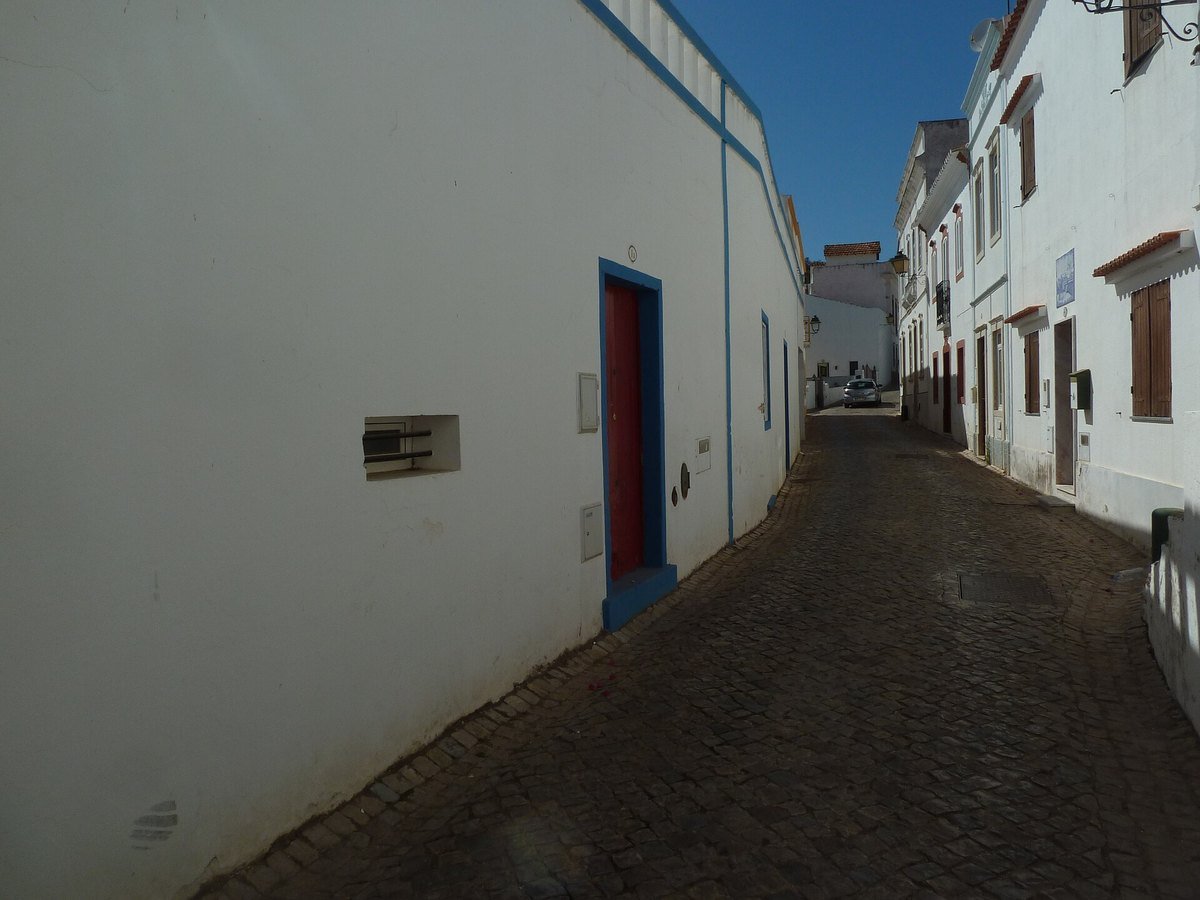
    Whitewashed family houses with a red door and blue trim on a cobbled street in Alte, a village in the Algarve, Portugal, the kind of family home at the centre of a Portuguese inheritance
    A quiet street of whitewashed family houses in Alte, in the Algarve: the family home is the asset most Portuguese inheritances revolve around. Photo via Wikimedia Commons.

    The short answer

    If you inherit anything in Portugal, a house, a bank balance, a share of an estate, you need your own Portuguese NIF before the inheritance can be settled in your name, unless you already have one. Finanças, the Portuguese tax authority, identifies every heir by NIF in the inheritance paperwork, and the number the deceased person held is never passed on: each heir is recorded under their own. Heirs who live abroad can get their number remotely, and for most families this is a small, early step that lets the notary and the lawyer do the rest.

    • Every heir is identified by their own NIF. Nobody inherits the deceased person’s number.
    • An undivided estate can need its own separate NIF while it waits to be shared out.
    • A foreign heir applies from home: non-EU and EEA heirs use a fiscal representative, EU and EEA heirs can usually register with their home address.

    Why heirs need a NIF

    A NIF, short for número de identificação fiscal, is your personal tax number in Portugal, and it follows you for life. Banks, notaries and Finanças use it to tie assets and obligations to the right person. An inheritance is, in the eyes of the administration, a transfer of assets to named people, and each of those people has to be identifiable in the system before the transfer can be recorded.

    In practice, that means every heir who receives something from a Portuguese estate, property, money in a bank account, a share of a business or any other asset, needs a NIF of their own if they do not already hold one. It does not matter where you live or which passport you hold. A Portuguese heir living in Lisbon and a grandchild living in Toronto are treated the same way on this point: no NIF, no completed paperwork. Our complete guide for non-residents sets out how the number works for people based outside Portugal.

    If you already have a Portuguese NIF, from an earlier move, a property purchase or a previous application, that same number is the one used. A NIF is issued once and never changes, so there is nothing new to apply for.

    The estate itself can need a NIF as well

    There is a second number that surprises families. Between a death and the final sharing out, the estate sits in a state the Portuguese call herança indivisa, an undivided inheritance, owned collectively by all the heirs at once. In some situations that undivided estate is treated as a taxpayer in its own right and needs its own NIF, separate from every heir’s personal number, for example while property is rented out or bills and taxes are settled in the estate’s name.

    One person steers that side of things: the cabeça-de-casal, usually translated as head of household for the estate, often the surviving spouse or the eldest heir. The cabeça-de-casal represents the undivided estate before Finanças, receives its tax post and handles its declarations until the assets are divided. Whether a given estate needs its own number, and who should act as cabeça-de-casal, depends on the estate itself, so treat this as general orientation and let the lawyer or notary handling your case confirm it.

    Foreign heirs: your own NIF, applied for from home

    Many Portuguese estates have heirs scattered across the world: children who emigrated, grandchildren born abroad, a spouse who never lived in Portugal. Geography does not remove the NIF requirement, but it does change the address and representation side of the application.

    Heirs living abroad are registered with their foreign address. If you live outside the EU and EEA, Finanças requires a fiscal representative resident in Portugal to file for you when you apply from abroad, the same rule our guide to getting a NIF from outside Portugal walks through step by step. EU and EEA heirs can often register directly with their home address, and our guide to getting a NIF without a fiscal representative explains where that route works and where it does not.

    None of this requires a trip to Portugal. A foreign heir’s NIF application runs on scans and email, in the same way as any other remote application, and the number itself arrives by email once Finanças issues it.

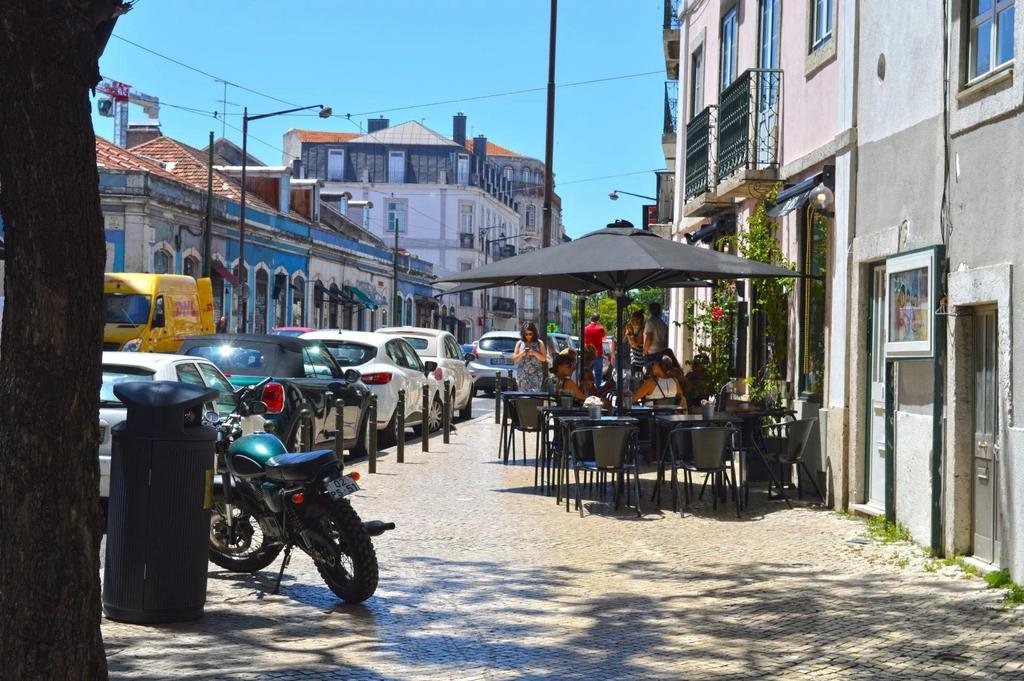
    Rua do Alecrim in Lisbon at dusk, a quiet street of older houses sloping down towards the Tagus river
    Rua do Alecrim, Lisbon, at dusk. Wherever in the world an heir lives, their Portuguese NIF is arranged the same way: one number, in their own name. Photo via Wikimedia Commons.

    The key documents, at a general level

    Every estate is different, and the exact file is assembled by the notary or lawyer handling it. At a general level, though, families are usually asked for the same core documents:

    • The death certificate, which starts everything: the death is registered in Portugal, and the certificate is the document the rest of the process builds on.
    • The will, if there is one, which sets out the deceased person’s wishes. Where there is no will, the general rules of succession decide who the heirs are.
    • Proof of heir status, formalised through the habilitação de herdeiros, the process in which a notary or lawyer confirms who the heirs are. This is the document that turns family relationships into legal standing.
    • Identity documents and proof of address for each heir, a passport or EU identity card, plus a recent proof of the address where each heir lives. These feed both the inheritance file and each heir’s NIF application.

    A hand signing a formal document with a fountain pen, the signing moment in the habilitação de herdeiros heirship process in Portugal
    Signing the habilitação de herdeiros: the moment heir status becomes official, and the point where every heir’s NIF needs to be ready. Photo via Pexels.

    Foreign documents sometimes need certified translations or an apostille at the wider estate stage. That is a question for the lawyer or notary on your case, not a NIF requirement in itself, and it is one more reason to take proper advice early.

    The broad sequence, in order

    No two estates run to the same timetable, and this is a general outline only, not a checklist with deadlines. In broad terms, though, a Portuguese inheritance usually moves through four stages:

    The broad sequence of a Portuguese inheritance, in general terms.

    Notice where the NIF sits in that order: early. Families who leave the tax numbers until the end often find the final stage stalled, waiting on an application that could have been filed weeks earlier.

    Stamp duty, in general terms

    Portugal charges stamp duty, imposto do selo, on inheritances, and it is the tax most families ask about first. The well known feature of the system is that close family inheritances are exempt: spouses, children and other descendants, and parents and other ascendants, generally do not pay stamp duty on what they inherit. Heirs outside that close circle, such as siblings, other relatives or unrelated beneficiaries, are the ones for whom the duty usually matters.

    That is as far as a NIF guide should go. Rates, valuations, deadlines and the declaration itself belong to the estate’s tax handling, and small details change outcomes. A Portuguese lawyer, notary or tax adviser can tell you exactly where your family stands, and for anything beyond a small, simple estate that advice is not optional decoration, it is the sensible route.

    Getting your own NIF as a foreign heir

    Our part in an inheritance is deliberately narrow: we get individual heirs their own personal NIFs. If you are an heir living abroad, you can apply through this service from home at the standard prices, €99 Standard or €145 Urgent per person, with the usual representation rules for where you live. Your number is filed with Finanças by a fiscal representative in Portugal, and it arrives by email, ready to hand to the notary or lawyer settling the estate.

    Families often inherit together, and several heirs frequently need numbers at the same time. Heirs filing together can apply as one family application, with the 5% family discount on the NIF fees where it applies, as our family guide explains. Our price guide sets out every cost in the open, including the representative renewal, so the NIF side never adds a surprise to an already difficult season.

    Common confusions

    • The deceased person’s NIF becomes mine. It does not. The number belonged to one person for their lifetime, and it is never transferred, reused or inherited. Every heir is recorded under their own number, which is why a fresh application is needed for anyone who does not already hold one.
    • Only Portuguese heirs need a NIF. Nationality is not the test. Any heir recorded in the paperwork for a Portuguese estate needs a Portuguese NIF, wherever they live and whatever passport they carry.
    • The notary settles everything. The notary or lawyer formalises heir status and the transfer, but the Finanças side, the estate declaration and the tax record of each heir, runs alongside it. The two halves meet, and the NIF is where they join.
    • I can sort the NIF out at the end. You can apply at any point, but the final transfers cannot be recorded without it. Early is calmer, especially from abroad.

    This guide is general information about the NIF side of a Portuguese inheritance. It is not legal or tax advice, and it is not a guide to settling an estate. Every estate is different: for the habilitação de herdeiros, the estate declaration and any stamp duty question, use a Portuguese lawyer or notary, who will work from your family’s actual documents.

    Frequently asked questions

    Yes, if they do not already have one. Finanças identifies every heir by NIF in the inheritance paperwork, and each heir is recorded under their own number. The deceased person’s NIF is never transferred or inherited.

    In some situations, yes. While an estate remains undivided, a herança indivisa, it can be treated as a taxpayer in its own right and need its own NIF, separate from the heirs’ personal numbers. The cabeça-de-casal handles the estate’s tax side. Your lawyer or notary confirms whether your estate needs one.

    Yes. A foreign heir applies remotely, with scans and email. Heirs outside the EU and EEA use a fiscal representative resident in Portugal when applying from abroad, while EU and EEA heirs can often register with their home address. The number arrives by email once Finanças issues it.

    Generally, no. Spouses, descendants such as children and grandchildren, and ascendants such as parents are generally exempt from imposto do selo on what they inherit. Heirs outside that close circle are usually the ones the duty applies to. Estates need professional advice on their own facts, because this is general information only.

    It is the formal process, handled by a notary or a lawyer, that confirms who the heirs of an estate are. It turns family relationships into legal standing, and it is one of the core documents in the inheritance file. Each estate’s lawyer or notary assembles it from the death certificate, any will, and the heirs’ identity documents.

    The same as any other application: €99 Standard or €145 Urgent per person, with 6 months of fiscal representation included where representation applies. Heirs filing together can apply as one family application, with a 5% discount on the NIF fees where it applies. The estate’s legal work itself is separate, and is handled by your own lawyer or notary.

    Need your own NIF for an inheritance?

    Apply in 5 minutes from your sofa, see your full price before you submit, and let us deal with Finanças for you. Your official NIF arrives by email, ready for the notary or lawyer settling the estate.


    Start my application

  • NIF for buying property in Portugal: what buyers need to know

    NIF for buying property in Portugal: what buyers need to know


    Back to all guides

    Moving to Portugal

    NIF for buying property in Portugal: what buyers need to know

    26 October 2026By Mariana Santos

    Every property purchase in Portugal runs on one small number. Your NIF, the Portuguese tax identification number, goes on the promissory contract and the final deed, and without it the purchase cannot complete. Buyers who sort it early glide through viewings, offers and signing. Buyers who leave it late watch completion dates slip. This guide explains when you need it, why every buyer needs their own, and how to get it from abroad without drama.

    A white villa with palm trees and a cobbled drive in the Algarve, Portugal, the kind of property overseas buyers need a Portuguese NIF to purchase
    A villa in the Algarve: whatever and wherever you buy in Portugal, the purchase paperwork starts with a NIF. Photo: The Real Algarve.

    The short answer

    You cannot complete a property purchase in Portugal without a NIF. The number is written into the promissory contract, called the CPCV, and into the final deed, called the escritura, so you need it before signing, not after. Get it at the start of your search and it never becomes a problem.

    • Every person named on the deed needs their own NIF. One number never covers two buyers.
    • Bank accounts and mortgage applications ask for a NIF too, so it unlocks the rest of the purchase.
    • From abroad, the remote route takes 3 to 5 business days on Standard, or 1 business day on Urgent.

    Why a property purchase needs a NIF

    A Portuguese property purchase has two signing moments. First comes the promissory contract, the Contrato de Promessa de Compra e Venda, usually shortened to CPCV, where buyer and seller commit to the deal and a deposit changes hands. Later comes the escritura, the final deed signed at completion, which transfers ownership. Both documents identify the buyer by their NIF, and the notary or lawyer handling completion will ask for the number early, often before the CPCV is even drafted.

    That is the headline rule, and it shapes everything else in this guide: the NIF is not a finishing touch you arrange in completion week. It belongs at the front of the process, ideally before you fall in love with a house, book flights for viewings, or agree a signing date with a seller who has their own deadlines.

    Every buyer needs their own NIF

    A NIF belongs to one person, for life, and it can never be shared. So when two people buy together, both numbers go on the paperwork. A couple purchasing jointly each need a NIF, and that includes a spouse who is not on the mortgage: what matters is whether their name appears on the deed as a buyer, not who borrows the money. If the escritura names them, Finanças needs their number.

    The same logic reaches further than couples. An adult child buying with a parent, siblings buying a holiday home together, or a partner added to the deed at the last minute: each named buyer needs their own number, sorted before signing. Our guide to getting a NIF for your children and family explains how families apply together in one file.

    Colourful apartment buildings on a steep residential street in Lisbon, Portugal, where many overseas buyers purchase a city apartment with a Portuguese NIF
    Colourful apartment streets in Lisbon: city flats and Algarve villas follow exactly the same NIF rule. Photo via Pexels.

    When in the buying timeline you need it

    Work backwards from the deed. The escritura cannot be signed without every buyer holding a NIF, and the CPCV should carry the number too, so the safe deadline is before the promissory contract. Two earlier steps pull the deadline forward again: mortgage pre-approval normally asks for a NIF, and opening a Portuguese bank account, which most buyers need for deposits and payments, asks for one as well. Whether you need a NIF first or a bank account first is a question we answer in a planned guide; the short version is that the NIF comes first, because the bank will ask for it.

    The buying timeline: the NIF is step one, because steps two to five all ask for it.

    How buyers abroad get a NIF

    There are two routes, and most overseas buyers use the second. Route one is in person: visit a Finanças office in Portugal with your passport and proof of address, and the NIF is issued free, usually the same day. Route two is remote: a fiscal representative in Portugal files for you under a power of attorney, and your official NIF arrives by email, with no travel needed.

    The full walkthrough of both routes is in our guide on how to get a Portuguese NIF from outside Portugal, and buyers who live outside Portugal will find their wider position explained in NIF for non-residents: the complete guide. We will not repeat either here; the point for buyers is timing. Start the application when you start the search, and your number is sitting in your inbox long before a seller is waiting on you.

    The fiscal representative question for buyers

    If you live outside the EU and EEA and apply from abroad, a fiscal representative is how the remote route works: a person or firm resident in Portugal who files for you and receives your official tax post. For buyers, the story continues after the application, because completing a purchase does not end your contact with Finanças. Owning a Portuguese property creates ongoing tax touchpoints, starting with IMI, the annual municipal property tax charged on property you own, and rental income if you decide to let the property. Official letters about both go to the address on your tax record.

    That is why many non-resident owners keep a representative after completion: not because the law demands it forever, but because a bill or notice that lands at an address nobody reads is a genuine risk. Our guide to the fiscal representative in Portugal explains the role in full, and Do you still need a fiscal representative after you move to Portugal? covers the point most buyers eventually reach, when a move to Portugal lets representation end.

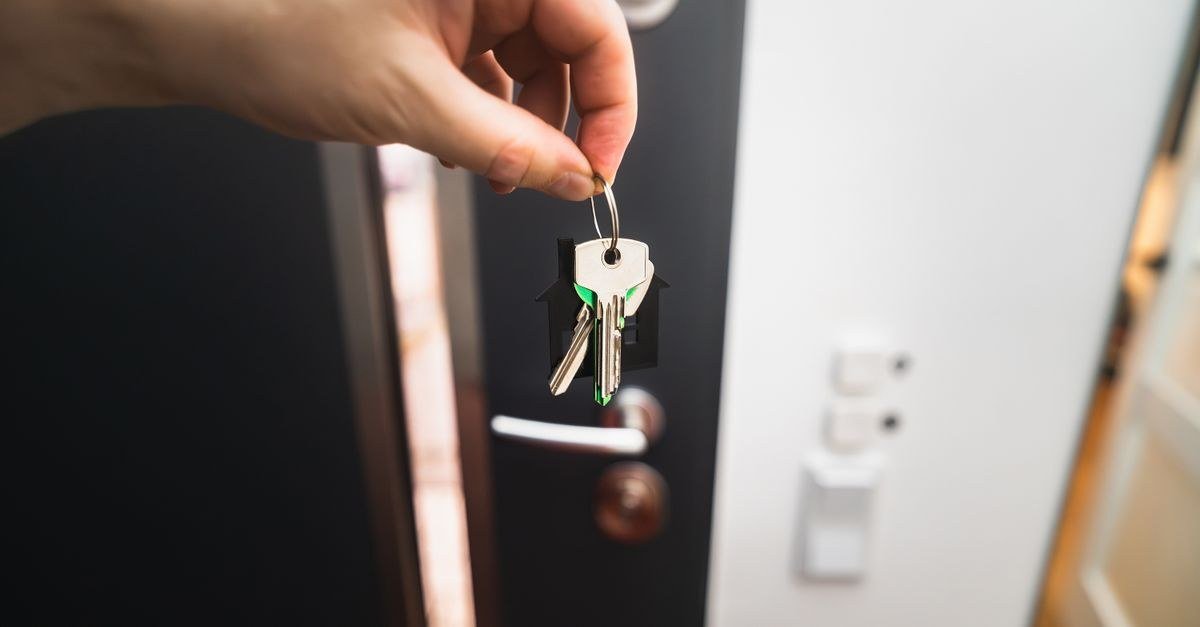
    House keys with a house shaped keyring being handed to a new owner on completion day in Portugal, the moment the escritura is signed
    Completion day: the keys change hands at the escritura, the appointment your NIF makes possible. Photo by Pavel Danilyuk via Pexels.

    What your NIF is used for after you buy

    Completion is not the last time the number appears. IMI property tax bills are issued against the owner recorded with Finanças, so they carry your NIF and your tax address. Utilities contracts for water, electricity and internet are opened in your name with the number. If you let the property, the rental is registered and the income declared under your NIF, at the general level your accountant will walk you through. And if you sell one day, the resale paperwork runs on the same number you bought with. Our planned guide on selling a property in Portugal as a non-resident will cover that paperwork in detail when it is published.

    What it costs, in the open

    In person at Finanças, the NIF itself is free. Remotely with GetYourNIF.pt, Standard is €99 per applicant and Urgent is €145 per applicant, one payment, VAT included, and both include 6 months of fiscal representation. Fiscal representative renewal after the included 6 months: €99 per year, cancel anytime. The Finanças password is an optional add-on at €50 per applicant, only for buyers who want their own login to the Portal das Finanças.

    Because every buyer needs their own number, couples and families buying together apply in one family file and get 5% off the NIF fees: two buyers on Standard pay €198 less 5%, which is €188.10. The worked examples, including larger families, are in our family NIF guide, and every price is printed in the pricing section before you apply.

    Documents buyers need for the NIF itself

    The NIF application asks for less than the purchase itself. You need a valid passport, or an EU identity card if you are an EU citizen, plus proof of your address abroad from the last 3 months, such as a bank statement or utility bill. For a remote application you also sign a power of attorney, which we provide for online signing. A child who is a co-owner in a rare family purchase also needs a birth certificate, as our family guide explains. Check your exact set in seconds with the free document checklist on our home page.

    Mistakes that delay buyers

    • Leaving the NIF until completion week. Standard filing takes 3 to 5 business days and Urgent 1 business day where Finanças allows, but a signing date agreed before you apply leaves no room for a document problem.
    • Name spelling differences. Your name must match across passport, contracts and the NIF record. A middle name present in one document and missing in another is a small thing that can hold up a deed.
    • Assuming one spouse’s NIF covers both. It never does. If both names are going on the deed, apply for both numbers together.
    • Forgetting the representative after plans change. If you buy as a non-resident and move later, or the other way round, tell your representative, because your tax address and renewal position change with you.

    This article is general information about the NIF side of buying property in Portugal, not legal or tax advice. A property purchase involves contracts, taxes and deadlines that deserve a Portuguese lawyer and, where tax is concerned, a qualified adviser working on your specific case.

    Frequently asked questions

    You can search, view and even reserve in some cases, but you cannot complete a purchase without one. Your NIF goes on the promissory contract (CPCV) and on the final deed (escritura), and a Portuguese bank account and mortgage also ask for it. Treat the NIF as the first document of the purchase, not the last.

    Yes, if both names will appear on the deed. A NIF belongs to one person and can never be shared, so a couple buying together each need their own number, including a spouse who is not on the mortgage but is named as a buyer on the escritura.

    As early as you can, and ideally before you sign the promissory contract (CPCV). The remote route takes 3 to 5 business days on Standard or 1 business day on Urgent, so applying when you start your search, or as soon as an offer is accepted, keeps the NIF off the critical path.

    Yes. You can apply in person in Portugal, free at Finanças, or remotely from home: a fiscal representative in Portugal files for you under power of attorney and your NIF arrives by email. Most overseas buyers use the remote route so the number is ready before they travel for viewings or signing.

    Often, for a while. Owning a property creates Portuguese tax touchpoints, including IMI property tax bills and rental income if you let the property, so official letters need an address that is reliably read. Many non-resident owners keep a representative until they live in Portugal with their own address registered as their tax address.

    In person at Finanças the NIF is free. Remotely with this service, Standard is €99 and Urgent is €145 per applicant, VAT included, with 6 months of fiscal representation included. Fiscal representative renewal after the included 6 months is €99 per year, and the optional Finanças password add-on is €50 per applicant. Couples and families applying together get 5% off the NIF fees.

    Buying soon? Get the first document sorted today

    Apply in 5 minutes, see your full price before you submit, and have your NIF ready long before the CPCV is drafted. Nothing is charged until you confirm.

    Start my application

  • Selling a property in Portugal as a non-resident: the NIF paperwork

    Selling a property in Portugal as a non-resident: the NIF paperwork


    Back to all guides

    Taxes in Portugal

    Selling a property in Portugal as a non-resident: the NIF paperwork

    26 October 2026By Mariana Santos

    Selling up is the mirror image of buying, and it runs on the same small number. If you own a home in Portugal and live abroad, the sale is recorded against the Portuguese NIF you bought with, your fiscal status is written into the deed, and the tax paperwork that follows the sale finds you through the details Finanças holds for that number. This guide covers the NIF and paperwork side of a non-resident sale: where the number appears, why your representative still matters until the tax side is settled, capital gains in general terms, and the documents to have ready. It is general information only. A sale needs a Portuguese lawyer and a tax adviser, and we say so where it counts.

    Whitewashed houses and a yellow house front on a cobbled street in Tavira old town in the Algarve, Portugal, the kind of property a non-resident owner sells
    Old town houses on a cobbled street in Tavira, in the Algarve. Homes like these change hands every week, and every sale is recorded against the seller’s Portuguese NIF. Photo via Wikimedia Commons.

    The short answer

    You sell with the same NIF you bought with. A Portuguese NIF is issued once, never changes and is never reissued, so the number on your purchase deed is the number on your sale deed, and the capital gains paperwork that follows the sale is assessed against it. There is no new number to apply for when you sell. What can need attention before the sale is everything attached to the number: the name and address Finanças holds for you, your recorded status as resident or non-resident, and, if you are registered from outside the EU and EEA, the fiscal representative who receives your tax post. Sort those out before the sale, not at the notary table.

    • Same NIF, start to finish: the number you bought with is the number you sell with, for life.
    • Check the details on the record, your name, address and fiscal status, while there is still time to correct them.
    • Keep your fiscal representative in place until the sale’s tax side is settled, not just until the deed is signed.

    Where your NIF appears in the sale

    A Portuguese property sale completes at the escritura, the final deed signed in front of a notary. The deed names every seller in full, and beside each name sits their NIF. It also records each seller’s fiscal status, whether Finanças treats you as resident or non-resident for tax purposes, because that status shapes how the sale is taxed afterwards. Joint owners are each named with their own number, exactly as they were when they bought.

    Before the deed is signed, the notary and the buyer’s lawyer check that the details on your Finanças record match your passport: the same name, in the same order and spelling. A mismatch that was harmless for years, a second surname dropped here, an old address there, can stall a completion day while it is explained. This is the moment to use our guide to checking your NIF status and finding your number if you are not sure what your record says, and our guide to updating the address on your NIF if you have moved since the record was made.

    None of this needs fixing often. But a sale has a chain of people waiting on it, buyers, agents, a bank, another notary appointment, so a ten minute check early is worth more than a phone call on signing day.

    A seller's hand signing a sale contract document with a pen, the escritura signing moment when a Portuguese property sale completes
    Signing the escritura, the final deed. The deed names every seller with their NIF and records each seller’s fiscal status. Photo via Pexels.

    The fiscal representative question for sellers

    If you are registered with Finanças as a non-resident living outside the EU and EEA, you will generally have a fiscal representative in Portugal, the person or firm whose address stands on your record for tax post. Our guide to what a fiscal representative does explains the role, and our guide to getting a NIF without a fiscal representative explains who needs one and who does not.

    The representative matters more during a sale, not less. Finanças writes about the sale to the address and the representative on file, and the letters that follow a completion, including anything about the capital gain, go to that address. If representation has lapsed, or letters go to a representative you parted company with years ago, the first you hear of a tax question can be late.

    So the practical rule is simple: do not cancel your representation the week you sell. Keep it in place through the completion and until the tax side of the sale is settled, then review it with a clear head. Think of the deed as the middle of the process, not the end of it.

    Capital gains, in general terms only

    When a non-resident sells Portuguese property for more than they paid, the gain, mais-valias in Portuguese, is taxed in Portugal. That much is safe to say. Almost everything beyond it needs care: the rules for non-resident sellers have changed over the years, they offer choices in some cases, and how a gain is worked out depends on your own purchase price, costs and circumstances.

    For that reason this guide states no rates and does no calculations, on purpose. A rate quoted out of context is worse than none, because the wrong assumption at the promissory contract stage can be expensive to unwind. Take the tax question to a Portuguese tax adviser before you sign the promissory contract, the CPCV, not after: that is the point where the price, the timeline and your position are set.

    The point that belongs in a NIF guide is narrower, and it is certain: the gain is assessed against your NIF, under the fiscal status recorded for you. If the number is wrong, or your status on the record does not reflect your real position, the assessment machinery starts from the wrong place. Getting the record right is the part you control, and it is quick compared with the sums at stake in a sale.

    The paperwork, at a general level

    Every sale is different, and your lawyer assembles the actual file. At a general level, though, a non-resident seller is usually asked for the same core set:

    The seller’s paperwork checklist, in general terms. Your lawyer confirms the exact file for your sale.

    Two of those documents come from the property’s own records rather than yours: the caderneta predial is the property’s tax booklet held by Finanças, and the certidão do registo predial is the land registry certificate that confirms ownership and any charges on the property. Your lawyer gathers both as a matter of routine. What they cannot gather for you is your own side: a valid passport, the right NIF on record, and bank details in your name for the proceeds.

    Signing from abroad

    You do not have to fly in to sell. The common remote route is a power of attorney granted to your Portuguese lawyer, who signs the deed on your behalf while you stay home, the mirror image of how many non-residents bought in the first place. Our guide to the NIF for buying property describes that buying side, and the selling side works in the same spirit: documents move by post and email, and the signing happens in Portugal without you in the room.

    Remote selling makes the early checks more important, not less. A passport detail or an address that needs correcting is a small job when you have weeks in hand, and an awkward one when your lawyer is standing in the notary’s office. Send your documents early and let the file be boring.

    After the sale

    Completion day is not the end of the paperwork. The sale is declared, and the capital gain, if any, is dealt with through the tax filing that follows the sale, all under your NIF. Keep the deed, the sale documents and anything Finanças or your adviser sends you together in one file. If a question arrives later, that file is the answer, and our guide to checking your NIF status explains how to see what your record holds.

    A hand holding a set of house keys on a house-shaped key ring in front of a front door, handing over the keys at the end of a property sale
    Handing over the keys ends sale day, but not the paperwork: the tax filing follows, under the same NIF. Photo via Pexels.

    And the number itself? It stays yours for life, sale or no sale. Keep it: you may want it for a later purchase, a refund, or simply to close the tax side of this sale properly. If you are leaving Portugal entirely, the moment to review your fiscal representative arrangement is once the sale’s tax side is settled, in the same spirit our guide to needing a representative after you move explains for people going the other way. Cancel nothing while Finanças may still write to you about the sale.

    Common confusions

    • I need a new NIF to sell. You never do. A NIF is issued once and lasts for life. The number on your purchase deed is the number on your sale deed, and asking for a second number is not possible: Finanças will simply point to the one you already have.
    • The sale ends my Finanças record. It does not. The record stays open, the tax filing follows the sale, and letters about the gain are sent to the address and representative on file. Completion is the middle of the process, not the end of it.
    • I can let my representation lapse once the deed is signed. That is the riskiest week to do it. The capital gains paperwork arrives after completion, so keep the representative in place until the tax side is settled, then review the arrangement.

    This guide is general information about the NIF and paperwork side of selling property in Portugal as a non-resident. It is not legal or tax advice, and it does not replace either. Sales involve contracts, deadlines and tax choices that turn on your own facts: use a Portuguese lawyer for the sale itself and a qualified tax adviser for the capital gains side, before you sign anything.

    Frequently asked questions

    No. A Portuguese NIF is issued once, never changes and is never reissued. You sell with the same number you bought with, and it is printed on the sale deed, the escritura, exactly as it was on your purchase deed. The capital gains paperwork that follows the sale is assessed against that same number.

    Fix them before the sale, not at the notary table. The notary and the buyer’s lawyer check that the name and details on your Finanças record match your passport, and a mismatch can stall completion day. Check what your record holds first, then update anything that has changed, such as your address, while there is still time.

    If you are registered as a non-resident living outside the EU and EEA, your fiscal representative stays relevant through the whole sale. Finanças writes about the sale, including the capital gains paperwork that arrives after completion, to the address and representative on file. Keep the arrangement in place until the sale’s tax side is settled.

    In general terms, a non-resident’s gain on Portuguese property, mais-valias, is taxed in Portugal, but the rules have changed over the years and offer choices in some cases, so no honest guide can quote your figure. The gain is assessed against your NIF under your recorded fiscal status. Take your own figures to a Portuguese tax adviser before you sign the promissory contract.

    Yes, in the usual case. The common remote route is a power of attorney granted to your Portuguese lawyer, who signs the escritura on your behalf. Your own paperwork, passport, NIF record and bank details, is sent ahead, which is one more reason to check your NIF details early.

    Nothing, and that is the point. The number stays yours for life, and your Finanças record stays open: the tax filing that follows the sale runs under it, and you may need the number again for a later purchase or a refund. Keep your sale paperwork, and review any fiscal representative arrangement only once the sale’s tax side is settled.

    Need a NIF, or your details fixed, before you sell?

    Apply in 5 minutes from your sofa, see your full price before you submit, and let us deal with Finanças for you. Your official NIF arrives by email, and the details on your record are ready for the notary and the buyer’s lawyer to check.

    Start my application

  • NIF at the airport or on arrival: can you get one when you land?

    NIF at the airport or on arrival: can you get one when you land?


    Back to all guides

    NIF Guides

    NIF at the airport or on arrival: can you get one when you land?

    26 October 2026By Mariana Santos

    You have just landed, or you are about to. Somewhere between booking the flight and packing, a practical question pops up: can I just get my NIF at the airport when I arrive? It sounds efficient, one more thing ticked off on arrival day. The honest answer is no, and understanding why will save you a wasted morning. Airports in Portugal handle flights and border control. Tax numbers are issued by Finanças, the Portuguese tax authority, and there is no Finanças desk in any arrivals hall. This guide explains where a NIF really comes from, what you can do on arrival day, and why most people sort it before they fly.

    Passengers with suitcases beneath the Terminal 1 and arrivals signs at Lisbon Airport in Portugal, where travellers land before sorting a Portuguese NIF
    Lisbon Airport arrivals: the start of many Portuguese paperwork journeys, but not the place a NIF is issued. Photo via Lisbon Airport.

    The short answer

    There is no NIF desk at any Portuguese airport, and border control cannot issue one. A NIF is issued by Finanças tax offices. When you land, you have three real options:

    • Sort it before you fly: apply remotely from home and land with your NIF already in your inbox.
    • Visit a Finanças office or a Loja do Cidadão citizens shop after you arrive, in person and free.
    • Do nothing on arrival day, and handle it during your trip once the jet lag wears off.

    Where a NIF is actually issued

    A NIF, short for Número de Identificação Fiscal, is your Portuguese tax identification number, and it is created by the Autoridade Tributária e Aduaneira, the tax authority everyone calls Finanças. Its counters sit inside local Finanças offices in towns and cities across Portugal, and inside some Loja do Cidadão locations, the citizens shops that group several public services under one roof.

    Airports are not part of that system. The officers at passport control check identity and entry conditions; they have no access to tax registration and there is no desk, form or queue for it anywhere in the terminal. The same applies at land borders and ferry ports. If a website or a stranger at the airport offers to sell you a NIF on the spot, walk away: the number can only come from Finanças, directly or through a representative filing with Finanças on your behalf.

    How the in-person visit works in practice

    If you decide to go in person after landing, the visit itself is simple. Take your passport, or your EU identity card if you are an EU citizen, and proof of your address. Staff register you on the tax system and, in most cases, the number is issued on the spot once your application is accepted. The service is free.

    The practicalities vary by office, and it is worth knowing that before you plan a trip around one. Many offices work mainly by appointment or by a ticket queue taken on arrival, and busy city offices fill up early in the morning. A small town office can be quieter than a central Lisbon or Porto one, but it may have fewer staff and shorter counter hours. Bring printed copies of your documents as well as the originals, arrive early, and treat the timing as in most cases rather than guaranteed: availability varies by office and by day.

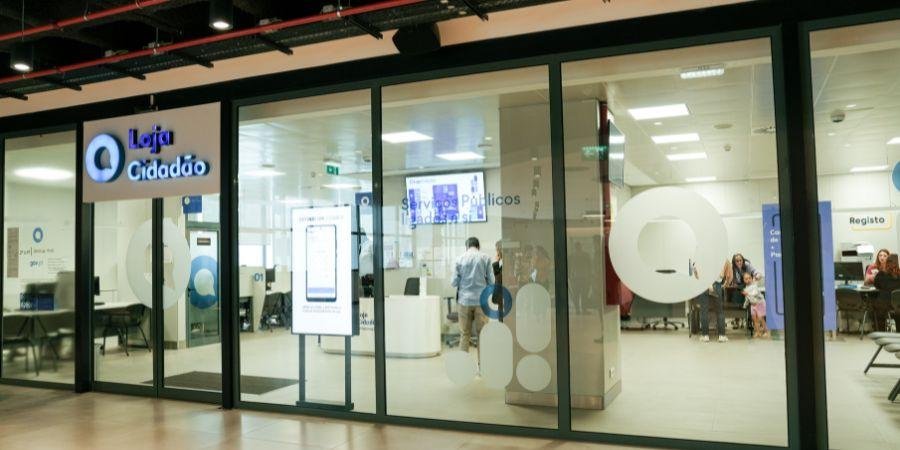
    The entrance sign of a Loja do Cidadão citizens shop in Portugal, where some Finanças counters can issue a NIF in person
    A Loja do Cidadão citizens shop: some locations host Finanças counters where a NIF can be issued in person. Photo via SAPO.

    Who can use the on-arrival route

    Anyone who is physically in Portugal with the right documents can ask for a NIF in person, including visitors on a short trip and non-EU travellers. Being in the country does not, however, settle every question. If you are a non-resident living outside the EU and EEA, Finanças registration usually involves a fiscal representative, a person or firm in Portugal who files for you and receives your official tax post. An in-person visit does not remove that representative question for non-EU and EEA non-residents.

    The full picture of who can register without one, including the electronic notifications route for people resident in the EU and EEA, is in our guide on getting a NIF online without a fiscal representative. If that is your situation, read it before you queue, because the counter visit and the representative question are two separate decisions.

    Why most people sort it before they fly

    Arrival day is the worst day to discover a queue. Most people who need a NIF need it for something with a date attached: a property completion, a bank appointment, visa paperwork with a filing window. Spending your first morning in Portugal outside a tax office, jet lagged and hunting for a photocopier, is a poor trade when the same result can be sitting in your inbox before you board.

    The remote route runs while you are still at home. Our step by step guide to getting a Portuguese NIF from outside Portugal walks through it, and the timelines are short: 3 to 5 business days on Standard, or 1 business day on Urgent where Finanças processing allows, as our guide to how long a NIF takes explains stage by stage. Apply a week or two before you travel and the number stops being an arrival day problem entirely.

    Before you fly or after you land: the two ways to a Portuguese NIF, compared.

    Your arrival checklist

    Whichever route you choose, these five things make arrival week smoother:

    • Passport or EU identity card. The original, valid, and the same document you will use for every other piece of Portuguese paperwork.
    • Proof of address from home. A bank statement or utility bill from the last 3 months, printed, even if you end up applying remotely later.
    • A representative plan. If you live outside the EU and EEA, know before you land who your fiscal representative is, rather than improvising at a counter.
    • Your NIF PDF kept safe. Save it in your email and on your phone, and carry a printed copy. You will be asked for the number constantly, and the PDF is the proof.
    • No expiry to worry about. A NIF is issued once and never expires, so there is no renewal race waiting for you at arrivals.

    Not sure which documents your own situation needs? Run the free document checklist on our home page; it takes under a minute.

    A quiet cobbled street with laundry hanging between tiled houses in Alfama, Lisbon, Portugal, the city travellers explore after landing
    Alfama, Lisbon: the trip is better spent here than in a tax office queue on your first morning. Photo: DJ Far Off.

    Arrival myths, corrected

    • There is a NIF desk at the airport. There is not. Airports have border control, airlines and car hire desks, not tax counters, at Lisbon, Porto, Faro or anywhere else in Portugal.
    • My hotel can arrange a NIF. A hotel can book you a taxi to a Finanças office, but it cannot issue or arrange a tax number. Only Finanças creates NIFs.
    • The embassy will give me one before I fly. Portuguese consulates do not issue NIFs as a standard service. Consular counters handle passports, civil registration and similar services, not tax registration for people travelling to Portugal.
    • I can sort it at passport control. Border officers check who may enter the country, not taxes. The two systems never meet at the arrivals desk.

    The honest shortcut

    This is our one mention of our own service. GetYourNIF.pt exists for the before you fly route: you apply online in about 5 minutes, we check your documents and file with Finanças as your representative, and your official NIF arrives by email. Standard is €99 and Urgent is €145 per applicant, one payment, VAT included, with 6 months of fiscal representation included. Every price is printed in the pricing section, and most follow up questions are answered in our FAQs. If you would rather queue in person for free, this guide has told you exactly how, and we mean that: choose the route that fits your trip.

    Frequently asked questions

    No. There is no NIF desk at Lisbon airport or at any other Portuguese airport, and border control cannot issue tax numbers. A NIF is issued by Finanças, so your options are a Finanças office or a Loja do Cidadão after you land, or applying remotely before you fly.

    To a local Finanças tax office, or to a Loja do Cidadão citizens shop that hosts Finanças counters. Take your passport or EU identity card and proof of address. The service is free, and in most cases the number is issued on the spot once your application is accepted, although availability and waiting times vary by office.

    Yes. You do not need to live in Portugal to hold a NIF, and visitors in the country with a passport and proof of address can apply in person. Non-residents who live outside the EU and EEA usually also need a fiscal representative for the registration, whether they apply in person or remotely.

    In most cases, yes: once the counter accepts your application, the number is generated during that visit. The variable part is getting to the counter, because many offices run on appointments or ticket queues that fill up early, and smaller offices differ from big city ones.

    If you are resident in the EU or EEA, you can generally register without one, including through the electronic notifications route. If you live outside the EU and EEA as a non-resident, a representative is normally part of the registration either way; being physically in Portugal changes where you stand in the queue, not the representative rule.

    A week or two is comfortable for most travellers. Standard filing takes 3 to 5 business days and Urgent 1 business day where Finanças processing allows, so applying before you fly means the NIF PDF is in your inbox before your trip starts. If a property or visa deadline is attached, earlier is always safer.

    Landing soon? Arrive with your NIF already sorted

    Apply in 5 minutes from home, see your full price before you submit, and spend arrival day in Portugal, not in a queue. Nothing is charged until you confirm.

    Start my application

  • NIF for the D7 visa: why your application starts with a tax number

    NIF for the D7 visa: why your application starts with a tax number


    Back to all guides

    Visas and Residency

    NIF for the D7 visa: why your application starts with a tax number

    26 October 2026By Mariana Santos

    Most D7 applications do not really begin at the consulate. They begin weeks or months earlier, at a desk at home, with a nine digit Portuguese tax number. The D7, Portugal’s passive income visa, is applied for in your country of residence, and the file the consulate expects typically rests on Portuguese foundations: a bank account opened and funded in Portugal, and accommodation arranged there. All of it asks for a NIF. This guide explains where the tax number fits in a D7 application, the order the steps usually run in, and the points that catch applicants out. It covers the NIF side only.

    A retired couple strolling with coffee cups down a decorated old town lane in Lisbon, Portugal, the retirement move a D7 visa makes possible
    A retired couple in a Lisbon old town lane. For many D7 applicants, this is the life the paperwork is for. Photo via the Portuguese Embassy in Nicosia.

    The short answer

    Your D7 application starts with a NIF. The D7 file typically includes a Portuguese bank account opened and funded, accommodation evidence in Portugal, and forms and contracts that all ask for a Portuguese tax number, so applicants get the number first, from home, often months before they travel. The consulate does not issue it: the NIF comes from Finanças, the Portuguese tax authority, and non-EU/EEA applicants apply through a fiscal representative in Portugal. Get the number early and the rest of the file has something solid to stand on.

    • The NIF comes before the bank account, the lease and the appointment, not after them.
    • You apply for it from home, while you are still a non-resident, through a fiscal representative if you live outside the EU and EEA.
    • The same NIF follows you through the visa, the residence permit and your life in Portugal. It is issued once and never changes.

    What the D7 visa is, in general terms

    The D7 is Portugal’s residence visa for people who live on passive income: retirees drawing pensions, and people whose income comes from savings, rents, dividends or similar sources rather than from a Portuguese job. It is the route many people mean when they talk about retiring to Portugal. You apply at the Portuguese consulate, or the visa centre that serves applicants, in the country where you live, and if the visa is granted you travel to Portugal and complete the residence permit stage with AIMA, Portugal’s agency for integration, migration and asylum.

    That is the shape of it, and this guide deliberately stays at that level. Visa categories, document lists, fees and processing are set by the authorities and change over time, and the consulate that handles your file is the source that matters for your case. What does not change is the practical order of the paperwork, and that order starts with a tax number.

    Why the NIF comes before the visa appointment

    Look at what a D7 file usually has to show, and the position of the NIF explains itself. The file typically includes a Portuguese bank account in your name, opened and funded. A Portuguese bank records your NIF when it opens the account: without the number, this step cannot properly start. Our guide to whether you need a NIF first or a bank account first walks through that order in detail, and D7 applicants meet it earlier than almost anyone.

    The same is true of accommodation. The file typically includes evidence of somewhere to live in Portugal, often a rental contract, and a Portuguese lease is drawn up with the tenant’s NIF on it. Landlords and lawyers ask for the number as a matter of routine. Add the forms and declarations that run through the file, each with a space for the tax number, and the pattern is clear: the NIF is not one item on the D7 list. It is the key that unlocks several of the others.

    So experienced applicants work backwards: they get the NIF first, while there is no deadline pressure, and build the bank account, the lease and the evidence on top of it.

    Hands holding a passport beside a visa application form and a laptop on a desk, the documents a D7 visa file is built from
    Building the file at home: passport, application form and laptop. The Portuguese parts of the file all start with a NIF. Photo via szikinger.ca.

    The D7 sequence, in the order it usually runs

    Every consulate publishes its own list, and the details vary. In general terms, though, a D7 application usually moves through the same six stages, and the NIF sits at the front of the queue:

    The D7 sequence in its usual order, in general terms. Consulates vary, so check the current list for yours.

    Notice what the sequence means in practice: stages two and three cannot properly begin until stage one is done. An applicant who leaves the NIF to the week before the appointment can find the bank account, the funding evidence and the lease all waiting on a single number. The number itself is quick to arrange from home. It is the queue behind it that takes the time.

    You apply as a non-resident, so the representative route applies

    When you apply for a D7, you are living outside Portugal, which makes you a non-resident in Finanças terms at the moment you need the number. Applicants living in the EU and EEA can register with a European address. Applicants living elsewhere generally need a fiscal representative in Portugal to apply and to receive tax post on their behalf, which is the standard route our guide to getting a NIF from outside Portugal describes step by step, and our guide to getting a NIF without a fiscal representative explains who needs one and who does not.

    The representative is not a visa formality that ends at the airport. They stay on your Finanças record, receiving your tax post, until you are living in Portugal and registered at a Portuguese address, when the arrangement can be reviewed, as our guide to needing a fiscal representative after you move explains. For a D7 move, think of the representative as a bridge, holding your Portuguese tax post until your own address in Portugal takes over.

    Couples and families: two names, two numbers

    D7 moves are very often made by couples, and the NIF rule for couples is simple: each adult needs their own number. The joint bank account the file rests on is opened in both names, and the bank records a NIF for each holder. A lease names both partners, each with their number, and the consulate file identifies each applicant by their own tax number. There is no such thing as a shared or household NIF.

    The practical answer is to apply together, in one family application, so both numbers arrive on the same timetable and the bank and lease steps are never waiting on one missing half. Our guide to getting a NIF for your children and family covers the family side, including children, and when a family applies together through this service, the family discount applies to the NIF fees.

    Income evidence, and the threshold this guide will not quote

    The D7 turns on passive income, so income evidence sits at the heart of the file: pension statements, savings records, rental income, dividends, presented in the form your consulate asks for. One thing this guide will not do is quote you the minimum income figure. That is deliberate. The D7 income threshold is tied to the Portuguese minimum wage, and the minimum wage changes, so any euro amount printed in a guide like this one quietly goes out of date, and an out of date threshold can mislead an application by a wide margin.

    For the current figure, go to the source: the Portuguese consulate or visa centre handling your application, and the official Portuguese government information published for visa applicants. Check it close to the date you apply, not from a blog post written in a different year. This article’s job is the tax number, and on that we can be exact.

    The Basílica da Estrela and a yellow apartment building in the Estrela neighbourhood of Lisbon, Portugal, a residential area D7 movers settle in
    Estrela, one of the Lisbon neighbourhoods new residents settle in. The same NIF follows you from the visa file to your life here. Photo via Wikimedia Commons.

    After the visa: the same NIF, a new chapter

    A granted visa is not the end of the paperwork. You travel to Portugal and attend the residence permit stage with AIMA, and the permit file uses the same NIF you started with. Nothing is reissued and nothing starts again: the number from your first bank account is the number on your residence paperwork, your lease, your utilities and your tax record. This is why getting it right at the start, the exact name as it appears in your passport, matters so much.

    Two updates usually follow the move. You register your Portuguese address, and your Finanças record is updated to match, which our guide to updating the address on your NIF covers step by step. And your tax position needs its own thinking: holding a residence permit and being tax resident in Portugal are related but different questions, and our guide to NIF and tax residency and the 183-day rule explains where the line sits. A visa lets you live in Portugal. It does not, by itself, settle your tax status.

    Common confusions

    • The consulate will give me a NIF. It will not. Consulates handle visas; NIFs are issued by Finanças, the tax authority, and the NIF has to exist before parts of the visa file can be built.
    • The NIF is part of the visa fee or the visa process. It is a separate application, made separately, usually before the visa appointment is even booked. Nothing you pay for the visa includes it.
    • I will sort the NIF in the last week. It is only a number. It is only a number, and the bank account, the funding and the lease are all queued behind it. The last week is when applicants discover that a quick number can still hold up a slow file. Get it first, while nothing is urgent.

    This guide is general information about where the NIF fits in a D7 application. It is not immigration or tax advice. Visa rules, document lists and income thresholds change, and they are applied by the consulate that handles your case: check the current official requirements for your consulate before you apply, and take advice from a Portuguese immigration lawyer for the visa itself.

    Frequently asked questions

    In practice, yes, and you need it early. The D7 file typically includes a Portuguese bank account opened and funded and accommodation evidence such as a rental contract, and both are arranged against your Portuguese tax number. The consulate does not issue the NIF: it comes from Finanças, so applicants arrange it from home before the appointment.

    Finanças, the Portuguese tax authority, issues every NIF. The consulate handles the visa itself and never issues tax numbers. If you live outside the EU and EEA, the NIF application is made through a fiscal representative in Portugal while you are still living abroad.

    At the start, before the bank account and the lease. Many applicants arrange the number months before they travel, because the account opening, the funding and the accommodation evidence all depend on it. Leaving it to the final week is the most common avoidable cause of a rushed D7 file.

    Yes. Every adult needs their own Portuguese tax number. A joint bank account records a NIF for each holder, a lease names each tenant with their number, and the consulate file identifies each applicant individually. Couples usually apply together in one family application, so both numbers arrive on the same timetable.

    This guide does not quote a figure, on purpose. The D7 income threshold is tied to the Portuguese minimum wage, and the minimum wage changes, so a printed amount goes out of date. Ask the consulate or visa centre handling your application, or check the current official Portuguese government information, close to the date you apply.

    Not by itself. A residence visa and tax residency are separate questions: tax residency turns on tests such as the number of days you spend in Portugal and where your habitual home is. Holding a NIF does not settle it either. Our guide to NIF and tax residency explains the separation in general terms.

    Start your D7 file with the number everything asks for

    Apply in 5 minutes from your sofa, see your full price before you submit, and let us deal with Finanças for you. A NIF through this service costs €99 Standard or €145 Urgent per person, with fiscal representation included for the first 6 months and renewal afterwards at €99 per year, cancel anytime. Your official NIF arrives by email, ready for the bank, the lease and the consulate file.

    Start my application

  • How to check your NIF status, and what to do if you lost your NIF number

    How to check your NIF status, and what to do if you lost your NIF number


    Back to all guides

    NIF Guides

    How to check your NIF status, and what to do if you lost your NIF number

    26 October 2026By Mariana Santos

    It happens in the most ordinary way. A bank asks for your NIF, a lawyer needs it for a deed, a form will not submit without it, and the number you were sure you had saved is nowhere to be found. Take a breath. Of all the Portuguese paperwork problems you could have, this is one of the kindest, because a NIF cannot really be lost in the way that matters. The number is permanent, it never expires, and Finanças keeps the record even if you have lost every copy of it. This guide explains what checking your NIF status actually means, where your number is written down, and the places to look, in order, before you ask anyone for help.

    A woman searching through documents at a desk with a laptop, looking for her lost Portuguese NIF number to check her NIF status
    Searching your documents and laptop for a lost NIF number: the number itself is permanent, and it is recorded in more places than you think. Photo via Pexels.

    The reassuring short answer

    Three facts calm most people down straight away:

    • Your NIF never expires and is never cancelled for inactivity. Years of silence change nothing.
    • You cannot be given a second, different NIF. One person, one number, for life, so there is nothing to reapply for.
    • Checking your status really means checking your registered details: the name, address and representative Finanças holds for you.

    What a NIF status check actually means

    People search for a NIF status check imagining something like a visa application: pending, approved or refused. A NIF does not work like that. Once Finanças issues the number, it simply exists. There is no renewal date, no annual confirmation and no inactive state that quietly deletes it. If you were issued a NIF years ago and have not thought about Portugal since, your number is still your number today.

    So a useful status check is really a details check. Finanças holds a registration record attached to your number: your full name, your tax address, and whether a fiscal representative is registered for you. Those details do change over time, and getting them wrong has real consequences, from tax letters going to an old address to a name mismatch stalling a property deed. Checking your status means confirming that record is correct, and the rest of this guide shows you where to look.

    Where your NIF is recorded

    Your number lives in more places than you might expect, which is why most people find it again within the hour. When Finanças issued it, you received a registration document, often called the comprovativo: the paper or PDF proof of registration showing your name, your number and your registered address. That document is the master copy, and everything else is a copy of a copy.

    Beyond it, your NIF appears across your Portuguese paperwork. It is printed on property deeds, it sits in bank account paperwork, and it is quoted on tax filings and many contracts. And once you have access, your Portal das Finanças account shows the registration details Finanças holds for you. If you do not have portal access yet, our guide to the Finanças password explains what it unlocks and how it arrives by post.

    Five places your NIF is recorded, in the order most people find it again.

    How to check your details on Portal das Finanças

    If you have your number and your Finanças password, the portal is the most complete check you can do from home. The portal layout changes from time to time, so treat this as the general path rather than a promise about exact menu names:

    • Sign in. Go to the Portal das Finanças and sign in with your NIF and your senha de acesso, the Finanças password.
    • Open your personal area. Look for your personal area or registration details, shown with wording such as dados de registo, your registration data.
    • Compare the record with your passport. Your name, date of birth and address should match your current documents exactly.
    • Note what needs updating. An old address, or a representative you no longer use, are the two findings worth acting on.

    If the portal asks for a password you do not have yet, that is a separate and solvable problem. The password is ordered from Finanças and arrives by post, as our Finanças password guide explains, and a missing password never affects the number itself.

    A woman at a desk with a laptop and notebook checking her registration details on Portal das Finanças to confirm her NIF status in Portugal
    Checking your registration details on Portal das Finanças from home, once you have your NIF and password. Photo via Pexels.

    What to check, line by line

    • Name spelling. Your registered name should match your passport exactly. A swapped middle name or a missing accent rarely matters day to day, then suddenly matters at a notary desk, so get it corrected at a Finanças office if it is wrong.
    • The address Finanças holds. If tax letters are going to a home you left years ago, the registration needs updating. Our upcoming guide on updating the address on your NIF will walk through that change step by step. Until it is published, a Finanças office or your representative can update the address for you.
    • Whether a representative is still registered. If one is listed, your official tax post goes to them. Our guides on what a fiscal representative does and on whether you still need one after moving explain when that arrangement should continue, and when it should end.
    • That the number matches everywhere. The NIF on your deed, your bank file and your registration document should be the same nine digits. If two documents disagree, trust the Finanças registration and ask the other issuer to correct theirs.

    If you have lost the number itself

    Now the case that brought most readers here: you cannot find the number anywhere. Do not panic, and do not apply for a new NIF. A second application does not create a second number. Finanças matches applications to the person, and the answer comes back as the number you already have, so applying again only adds weeks of confusion.

    Work through the five places in the graphic above, in order. Start with your own files and email, then your deeds and bank paperwork. Most lost NIFs turn up in that first pass, usually in an email attachment from the week the number was issued.

    If your own paper trail runs dry, two doors remain open. If you have a fiscal representative, ask them: keeping your file, NIF document included, is part of the job, and they can normally resend it quickly. If you applied through GetYourNIF.pt, contact our support team and we will re-send your official NIF PDF from your application file. And if neither applies, visit a Finanças office or a Loja do Cidadão with your passport. Staff can look up your registration from your identity document and confirm your number in person. Bring the passport you used when the number was issued if you still have it, because the lookup is keyed to your identity, not to an address or an email.

    The entrance of a Loja do Cidadão citizens shop in Portugal, where staff can confirm a lost NIF number from your passport
    A Loja do Cidadão citizens shop in Portugal, where staff can confirm your NIF from your passport if your own search runs dry. Photo via AMA.

    Lost the document, but know the number?

    That is the easy version of the problem, and for most purposes it is barely a problem at all. Banks, lawyers, estate agents and forms almost always need the nine digits, not the paper. When proof of registration is asked for, the portal can confirm your registration details, and a Finanças office can provide a fresh comprovativo. Keep the number saved somewhere you control, a password manager or a notes file, and the lost document stops mattering.

    Keeping your NIF safe from here

    Once you have found it, spend two minutes making sure you never have to hunt again. Save the NIF PDF in two places, your email and a cloud folder or password manager, and keep one printed copy with your passport paperwork if you travel to Portugal often.

    A note on safety, because people worry in both directions. Your NIF is not a password, and knowing it does not let anyone into your tax account: signing in needs the number plus the senha. Even so, treat the document with ordinary care. Do not post a photo of it publicly, do not send it to strangers who have no reason to ask, and share it with the banks, lawyers and officials who genuinely need it. Our Finanças password guide covers the other half of the pair: keeping the password safe, and what to do if it is lost.

    Frequently asked questions

    No. A NIF is issued once and stays yours for life. It is never cancelled for inactivity, there is no renewal, and not using it for years changes nothing. What can change are the details attached to it, such as your registered address.

    No, and you do not need one. Finanças issues one number per person, permanently. If you apply again, the system matches you to your existing registration rather than creating a new number. Recover the original instead, through your documents, your representative or a Finanças office.

    Sign in to the Portal das Finanças with your NIF and Finanças password and open your personal area, where your registration details are shown: your name, your tax address and whether a fiscal representative is registered. You need the password that Finanças sends by post to sign in. Without it, check in person at a Finanças office instead.

    Search in order: your original NIF document or PDF, the emails from when it was issued, property deeds, bank paperwork and old tax filings. If none of those work, ask your fiscal representative, who keeps your file, or visit a Finanças office with your passport, where staff can confirm your number from your identity document.

    Yes. Contact our support team and we will re-send your official NIF PDF from your application file. The email we sent when your NIF was issued also still holds the original attachment, so check your inbox for it first: it is usually the fastest route.

    A NIF on its own is an identifier, not a key. Nobody can access your tax account with the number alone, because signing in also needs your Finanças password. Share it with banks, lawyers and officials who need it for real paperwork, but do not publish the document publicly, or send it to anyone without a genuine reason.

    Applied with us and lost your PDF?

    Contact support and we will re-send your NIF PDF from your application file. New here, and still need a number of your own? Apply in 5 minutes, see your full price before you submit, and let us deal with Finanças for you.

    Start my application

  • NIF for the digital nomad visa (D8): the remote worker’s first step

    NIF for the digital nomad visa (D8): the remote worker’s first step


    Back to all guides

    Visas and Residency

    NIF for the digital nomad visa (D8): the remote worker’s first step

    26 October 2026By Mariana Santos

    Remote work has a paperwork order, and Portugal’s digital nomad visa is no exception. Long before you choose a neighbourhood or a coworking desk, the D8 file asks for Portuguese foundations: a bank account in Portugal, evidence of somewhere to live, and forms that carry a Portuguese tax number. That number, the NIF, is where the application really starts. This guide explains where the NIF fits in a D8 application, the order the steps usually run in, and how the D8 differs from its better known cousin, the D7. It covers the tax number side only, in general terms.

    A remote worker typing on a laptop at a terrace table overlooking the Alfama rooftops, São Jorge Castle and the Tagus river in Lisbon, Portugal, at sunset
    A remote worker on a Lisbon terrace at sunset, São Jorge Castle and the Tagus behind her. For D8 applicants, this is the working life the paperwork is for. Photo via Vodafone.

    The short answer

    For a D8 application, the NIF comes first. The file typically involves a Portuguese bank account, accommodation evidence in Portugal and Portuguese paperwork, and all of it is arranged against your Portuguese tax number, so remote workers get the number from home, before the consulate appointment. The consulate does not issue it: the NIF comes from Finanças, the Portuguese tax authority, and applicants living outside the EU and EEA apply through a fiscal representative in Portugal. Sort the number early and the rest of the file can be built on it.

    • Bank account, accommodation evidence and appointment all sit behind the number, so it goes first.
    • You apply from your home country as a non-resident, using a fiscal representative if you live outside the EU and EEA.
    • One number covers the visa file, the residence permit and your working life in Portugal. It never changes.

    What the D8 visa is, in general terms

    The D8 is Portugal’s residence visa for remote workers: people employed by a company outside Portugal, or freelancing and contracting for clients outside Portugal, who want to live in Portugal while keeping that foreign work. You apply at the Portuguese consulate, or the visa centre serving applicants, in the country where you live. If the visa is granted, you travel to Portugal and complete the residence permit stage with AIMA, Portugal’s agency for integration, migration and asylum.

    That short description is as far as this guide goes on the visa itself, deliberately. The detailed rules, document lists and fees belong to the authorities, they change, and the consulate handling your case applies them. What stays constant is the practical sequence underneath, and that sequence begins with a tax number.

    D8 or D7: two different income stories

    Readers often meet the D8 and the D7 in the same search results, and the two are easy to confuse. The honest dividing line is the kind of income. The D7 is built for passive income: pensions, rents, dividends and savings that arrive whether or not you work. The D8 is built for active income from remote work: a salary from a foreign employer, or fees from foreign clients you serve online. Same country, same tax number at the start, different story about where the money comes from. If your income is passive, our guide to the NIF for the D7 visa covers that route in full.

    Why nomads sort the NIF before the appointment

    A D8 file is assembled from two countries at once: your work evidence comes from home, and your Portuguese evidence comes from Portugal. The Portuguese side is where the NIF does its work. The file typically involves a Portuguese bank account, and a Portuguese bank records your NIF when the account opens, so the account step waits on the number. Our guide to whether you need a NIF first or a bank account first explains that order, and remote workers meet it at the very start of their move.

    Accommodation evidence works the same way. The file typically shows somewhere to live in Portugal, which might begin as a long booking and become a rental contract, and a Portuguese lease is drawn up with the tenant’s NIF on it. Add the application forms and declarations, each with its space for the tax number, and the pattern is the same one every visa applicant meets: the NIF is not a box to tick at the end. It is the piece the other pieces attach to.

    So nomads who have done this before work in a particular order: number first, from home, while the timeline is still relaxed, then the account, the accommodation and the evidence on top of it. Our step by step guide to getting a Portuguese NIF from outside Portugal shows the remote application itself.

    A remote worker typing on a laptop in a café, a coffee cup on the wooden table beside them, while preparing a digital nomad visa file
    Working from a café while the file comes together. The Portuguese parts of a D8 file all start with a NIF. Photo via pinlions.com.

    The D8 sequence, in the order it usually runs

    Consulates publish their own lists and the details vary, so treat this as the general shape rather than a checklist for your case. In that shape, a D8 application usually moves through six stages:

    The D8 sequence in its usual order, in general terms. Consulates vary, so check the current list for yours.

    Read the sequence backwards and the timing lesson appears: stages two and three cannot properly start until stage one is finished. A nomad who leaves the NIF until the appointment is close can watch the account opening and the accommodation evidence queue up behind a single number. The number itself is quick to arrange from home. It is the queue behind it that takes the time.

    Income evidence, and the figure this guide will not quote

    Because the D8 is a remote work visa, income evidence sits at its centre: the employment contract or client contracts, and records showing the income they produce, presented as your consulate asks. One thing this guide will not give you is the minimum income amount. That is deliberate, and it protects your application. The D8 income requirement is tied to multiples of the Portuguese minimum wage, and the minimum wage changes, so a euro figure printed in a guide quietly goes out of date, and planning around a stale figure can sink an otherwise sound file.

    For the current requirement, go to the source: the consulate or visa centre handling your application, and the official Portuguese government information for visa applicants, checked close to when you apply. This guide can be exact about the tax number, and it stays exact by refusing to guess at the rest.

    You apply as a non-resident, so the representative route applies

    At the moment you need the NIF, you are living outside Portugal, which makes you a non-resident in Finanças terms. Applicants living in the EU and EEA can register with a European address. Applicants living elsewhere generally apply through a fiscal representative in Portugal, who files for the number and receives tax post on their behalf. Our guide to getting a NIF without a fiscal representative explains who needs one and who does not, and our guide to what a fiscal representative does explains the role itself.

    The representative does not vanish when the visa arrives. They stay on your Finanças record until you are living in Portugal and registered at your own Portuguese address, when the arrangement is reviewed, as our guide to needing a fiscal representative after you move explains. Think of representation as scaffolding: essential while the file is being built from abroad, and removable once your own address in Portugal is standing.

    Working life once you are resident

    Once the residence permit is in place, the NIF stops being visa paperwork and becomes your everyday working number. It sits on your Portuguese bank account, your lease, your utilities and your tax record. If you invoice for your work, freelancers in Portugal generally invoice through the recibos verdes system, the official green receipts route, and your NIF is the number on every receipt. How invoicing interacts with your own tax position is a separate topic with real consequences, so take proper tax advice for your situation rather than treating any guide as a manual.

    One more number usually follows later. Social security in Portugal runs on the NISS, a separate number that arrives through employment or registration once you are resident and working here, not through the visa file. Our guide to NIF vs NISS vs SNS number keeps the three numbers straight, so you know which one a form is asking for and why.

    Remote workers with laptops around a long shared table in a coworking space, the working routine many digital nomad visa residents settle into in Portugal
    Shared desks and laptops: the working week many new residents settle into. Your NIF is the number underneath all of it. Photo via Digital Nomads World.

    The visa is not your tax position

    A D8 visa gives you the right to live in Portugal while you work remotely. It does not, by itself, settle where you are tax resident. Visa status and tax residency are separate systems with separate tests, and spending most of the year in Portugal generally has tax consequences that your arrangements in your home country need to account for, which is why D8 movers usually plan the two tracks side by side. Holding a NIF does not make you tax resident either: the number is identification, nothing more. Our guide to NIF and tax residency and the 183-day rule explains the separation in general terms.

    Common confusions

    • I will land first and sort the NIF afterwards. You can get a NIF in Portugal, but the D8 file is built before you travel: the bank account and accommodation evidence behind it are arranged from home. Landing first usually means rebuilding the timeline under pressure.
    • The D8 is a way to live in Portugal on a tourist stay. It is not. The D8 is a residence visa applied for in your country of residence before you move. A tourist stay is a visit, with its own limits, and it is not a stage of the D8 process.
    • Getting a NIF makes me tax resident in Portugal. It does not. The NIF is an identification number that residents and non-residents alike hold. Tax residency turns on separate tests, such as the days you spend in Portugal and where your habitual home is.

    This guide is general information about where the NIF fits in a D8 application. It is not immigration or tax advice. Visa rules, document lists and income requirements change, and they are applied by the consulate that handles your case: check the current official requirements for your consulate before you apply, and take advice from a Portuguese immigration lawyer for the visa itself.

    Frequently asked questions

    In practice, yes, and you need it early. The D8 file typically involves a Portuguese bank account and accommodation evidence in Portugal, and both are arranged against your Portuguese tax number. The consulate does not issue the NIF: it comes from Finanças, so applicants arrange it from home before the appointment.

    The income. The D7 is Portugal’s passive income route, for pensions, rents, dividends and similar income. The D8 is for active remote work income: a salary from an employer outside Portugal, or fees from clients outside Portugal. Both applications start with the same Portuguese tax number.

    This guide does not quote a figure, on purpose. The D8 income requirement is tied to multiples of the Portuguese minimum wage, and the minimum wage changes, so a printed amount goes out of date. Ask the consulate or visa centre handling your application, or check the current official Portuguese government information, close to the date you apply.

    At the start, before the bank account and the accommodation evidence. The account opening and the lease or booking paperwork both run against the number, so applicants who arrange it first build the rest of the file without waiting. Leaving it late is the most common avoidable cause of a rushed D8 file.

    No. The D8 is a residence visa, applied for at the consulate or visa centre in your country of residence before you travel. A tourist stay is a visit with its own limits, not a route into the D8. Check the current official requirements for your consulate, because they decide how applications are made.

    Not automatically. Visa status and tax residency are decided by different tests: tax residency looks at how many days you spend in Portugal and where your habitual home is, and a NIF settles neither question. Our guide to NIF and tax residency explains the separation in general terms.

    Start your D8 file with the number everything asks for

    Apply in 5 minutes from your sofa, see your full price before you submit, and let us deal with Finanças for you. A NIF through this service costs €99 Standard or €145 Urgent per person, with fiscal representation included for the first 6 months and renewal afterwards at €99 per year, cancel anytime. Your official NIF arrives by email, ready for the bank account, the accommodation evidence and the consulate file.

    Start my application

  • NIF for UK citizens after Brexit

    NIF for UK citizens after Brexit


    Back to all guides

    Moving to Portugal

    NIF for UK citizens after Brexit

    26 October 2026By Mariana Santos

    If you last dealt with Portuguese paperwork before Brexit, some of what you remember no longer applies. British citizens are now treated as non-EU/EEA nationals by the Portuguese administration, and that single fact changes how you get a NIF, the Portuguese tax number that almost every form, purchase and account in Portugal asks for. The good news is that the process itself is simple once you know which category you are in. This guide sets out what changed, who it affects, the two routes open to UK applicants, the documents that work, the details that trip Brits up, and the full cost.

    Tower Bridge over the River Thames in London, the starting point for UK citizens applying for a Portuguese NIF after Brexit
    Tower Bridge, London: since Brexit, UK citizens apply for a Portuguese NIF as non-EU/EEA nationals, and most arrange it from home before they travel. Photo via Wikimedia Commons.

    The short answer for UK applicants

    • Since Brexit, UK citizens follow the non-EU/EEA route for a Portuguese NIF, not the old EU route.
    • Applying from the UK means applying through a fiscal representative in Portugal, under power of attorney.
    • In Portugal already? You can apply in person at a Finanças office, free, with your passport and UK proof of address.
    • Remotely, it costs €99 Standard or €145 Urgent, with 6 months of fiscal representation included.

    What Brexit actually changed

    Before Brexit, a British passport holder was an EU citizen for Portuguese administrative purposes, and a NIF application was a light-touch affair. That ended when the UK left the European Union. UK citizens are now non-EU/EEA nationals in the eyes of the Portuguese administration. Short visits run under the familiar 90/180-day rule, and living in Portugal long term takes a visa and a residence route, just as it does for Americans, Canadians or Australians. For the NIF itself, the practical consequence is narrow but important: a UK non-resident now follows the non-EU/EEA route, which means a Portugal-resident fiscal representative files the application when you apply from abroad. Nothing else about the number changes. A NIF is still nine digits, issued once, valid for life, and it still carries no right to live or work in Portugal by itself.

    The UK applicant position at a glance.

    Who this affects

    The change catches four groups of Brits most often:

    • Property buyers. You cannot complete a purchase in Portugal without a NIF, and most British buyers now need one before they have set foot in their new place.
    • People retiring to Portugal. The NIF sits inside the visa file and the paperwork of the move itself, so it is usually arranged early.
    • Remote workers. A NIF is needed for the practical setup of Portuguese life, from a rental contract to a bank account.
    • Second-home owners. Even a few weeks a year in Portugal involves tax numbers, from the purchase deed to local property tax bills.

    And one reassuring group: Brits who already owned property in Portugal before Brexit. If you have a NIF and a representative arrangement from those days, nothing about it has been undone. Your number stays yours, your representative keeps acting for you, and the only change is the category on the official side of the counter, which matters the next time you start something new.

    Your two routes to a NIF

    In person, in Portugal. If you are already in Portugal, or a trip is coming up anyway, you can walk into a Finanças office and apply yourself. Bring your passport and a UK proof of address. The NIF itself is free in person, and in most cases it is issued at the counter. Our step-by-step guide to getting a Portuguese NIF from outside Portugal walks through both routes in order.

    Remotely, from the UK. If you are applying from home, the non-EU/EEA rule applies: a fiscal representative in Portugal files for you under a signed power of attorney. That is the service we provide. You apply online in about 5 minutes, we check your documents, file with Finanças as your representative, and your official NIF PDF arrives by email. If you have read that some nationalities can skip the representative and wondered whether Brits can too, our guide on getting a NIF without a fiscal representative gives the honest answer for each situation.

    Documents for UK applicants

    • Your UK passport. Valid, and the same passport you travel on. A clear scan or photo of the photo page is what the remote route starts from.
    • A UK proof of address. Typically a bank statement, council tax bill or utility bill from the last 3 months, showing your name and your UK address. A document you can download from your bank is fine.
    • For children, family documents. A child without their own passport needs supporting documents such as a birth certificate. Our guide to getting a NIF for your children and family sets out exactly what each family member needs.
    A couple unpacking moving boxes in their new home, the stage most UK citizens reach after arranging their Portuguese NIF from the UK
    Packing up in the UK: a NIF arranged from home means the move itself starts with one big box already ticked. Photo via Pexels.

    UK-specific details that trip people up

    • Your proof of address must actually show your address. It sounds obvious, yet the most common delay for UK applicants is a bank letter that shows a name and an account number but not the address itself. Check the document shows your name and your full UK address clearly before you send it.
    • Your name must match your passport exactly. Finanças registers the name as it appears in the passport, middle names included where they appear there. If your bank statement drops a middle name, that is usually fine, but tell us, so the application and the passport agree.
    • Watch the apostrophes. Surnames such as O’Brien or D’Souza can lose their apostrophe in one system and keep it in another, and a mismatch can stall later paperwork. Flag an apostrophe, a double-barrelled name or a recent name change early, and the registration is done the way your passport shows it.

    Timelines and costs, in the open

    Through the remote route, Standard applications are filed and issued in 3 to 5 business days, and Urgent applications in 1 business day where Finanças allows. The price is €99 for Standard or €145 for Urgent per applicant, one payment, VAT included, with no hidden fees. Six months of fiscal representation is included; after that, renewal is €99 per year and you can cancel anytime. The Finanças password is an optional extra at €50 per applicant, useful if you want to sign in to the Portal das Finanças yourself. Families filing together get 5% off the NIF fees. For the wider picture, including what the free in-person route really costs in time and travel, read our guide to how much a NIF costs in Portugal.

    What Brits usually need the NIF for first

    For most UK applicants, the first job the NIF does is a property purchase: it goes on the promissory contract and the final deed, and no completion happens without it, as our guide to the NIF for buying property explains. Close behind comes a Portuguese bank account, which banks will not open without one. And for Brits building a D7 visa file, the NIF is one of the documents the application expects to see, so it is worth arranging before the file goes in rather than after.

    After you move to Portugal

    Once you are living in Portugal with a Portuguese address, the picture changes again, this time in your favour. You register your Portuguese tax address with Finanças, set up electronic notifications on the Portal das Finanças, and once that is confirmed, the fiscal representative arrangement can usually come to an end, because official letters can now reach you directly. Our guides on what a fiscal representative does and on whether you still need one after moving walk through the safe order for ending it, and why the order matters.

    People relaxing at the Miradouro de Santa Catarina viewpoint in Lisbon above the River Tagus, the everyday life British movers settle into after getting a NIF
    The Miradouro de Santa Catarina in Lisbon: once you live here, your Portuguese address goes on your Finanças record and the representative chapter can close. Photo via Civitatis.

    Common Brexit-era confusions

    • “I read that EU citizens do not need a representative, so I do not either.” That was true for Brits once. It is the single most common outdated assumption we meet, and it belongs to the pre-Brexit rules.
    • “Getting a NIF means I can move to Portugal.” It does not. A NIF is a tax number. It opens paperwork, not borders: your right to live in Portugal comes from a visa and residence route, and short stays follow the 90/180-day rule.
    • “Finanças can just write to me in the UK.” They cannot. Official tax post for non-residents goes to the Portuguese address on the record, which is your representative. That arrangement is what keeps a letter about your property tax from sitting unread in an office in Lisbon.

    This guide is general information about the NIF process for UK citizens, not legal or tax advice. Visa and residence rules have their own official sources, and your own circumstances are always worth checking against them.

    Frequently asked questions

    If you apply from the UK, yes. As a non-EU/EEA applicant living outside Portugal, your application is filed by a Portugal-resident fiscal representative acting under power of attorney. If you are in Portugal, you can instead apply in person at a Finanças office yourself, free of charge, with your passport and UK proof of address.

    Yes, and most UK applicants do exactly that. The remote route runs from your home in the UK: you apply online, your representative files with Finanças, and your official NIF PDF arrives by email. Standard takes 3 to 5 business days, and Urgent takes 1 business day where Finanças allows.

    No. A NIF is a tax number, not a visa or a residence permit. It lets you do paperwork: buy property, open accounts, sign contracts. Your right to live in Portugal comes from your visa and residence route, and short visits are governed by the 90/180-day rule.

    In person at a Finanças office, the NIF itself is free. Through our remote service it is €99 for Standard or €145 for Urgent per applicant, one payment with VAT included, and 6 months of fiscal representation included. Representation renews at €99 per year, cancel anytime, and the optional Finanças password is €50. Families filing together get 5% off the NIF fees.

    Your NIF itself does not change: it was issued once and stays yours for life, and arrangements already in place, including a fiscal representative, simply continue. What has changed is the category you now sit in: as a UK citizen you are a non-EU/EEA national for Portuguese administration, which matters when you next deal with visas, residence or a new application.

    No. Official Finanças post for a non-resident goes to the Portuguese address on your record, which in practice is your fiscal representative, who receives it and forwards it to you. Finanças does not post tax letters to addresses outside Portugal, which is one reason the representative exists.

    Applying from the UK?

    Apply in 5 minutes from your sofa, see your full price before you submit, and let us deal with Finanças for you. Your official NIF arrives by email, with 6 months of fiscal representation included.

    Start my application

  • NIF for Americans moving to Portugal

    NIF for Americans moving to Portugal


    Back to all guides

    Moving to Portugal

    NIF for Americans moving to Portugal

    26 October 2026By Mariana Santos

    If you are an American planning a move to Portugal, the NIF is likely the first Portuguese document anyone asks you for, and it often comes up before you have booked a flight. A NIF is the Portuguese tax identification number, issued by Finanças, the Portuguese tax authority. For Portuguese administration you count as a non-EU/EEA national, which shapes how you apply: from the United States, your application is filed by a fiscal representative in Portugal. This guide covers the basics for US citizens, why the NIF usually comes early in a move, the documents that work, the US-specific details that catch Americans out, the tax question everyone asks, and the full cost.

    A United States passport on a travel wallet, the identity document Americans use to apply for a Portuguese NIF
    A United States passport: for Americans, it is the identity document behind every Portuguese NIF application. Photo via Travel Off Path.

    The short answer for US applicants

    • Americans are non-EU/EEA nationals for Portuguese administration, so applying from the US means applying through a Portugal-resident fiscal representative.
    • Short visits follow the 90/180-day rule. Living in Portugal long term takes a visa route, such as the D7 or the digital nomad D8.
    • In Portugal already? You can apply in person at a Finanças office, free, with your US passport and proof of your US address.
    • Remotely, it costs €99 Standard or €145 Urgent, with 6 months of fiscal representation included.

    Americans and the NIF: the basics

    Portugal runs its paperwork around the NIF in a way that can surprise Americans used to separate systems for separate tasks. One nine digit number follows you through tax, banking, property and contracts. It is issued once, it never expires, and you can hold one for years as a non-resident without living in Portugal at all. Getting a NIF does not give you the right to live or work in Portugal, and it does not make you a Portuguese tax resident. Those are separate questions, answered by visa rules and by how much time you actually spend in the country.

    The US applicant position at a glance.

    Why Americans usually need the NIF early

    Most Americans do not get a NIF because they love paperwork. They get one because something else in the move stops until it exists:

    • Visa applications. D7 and D8 visa files commonly ask for a Portuguese NIF, so applicants often arrange the number before the visa appointment rather than during it.
    • A Portuguese bank account. Banks open accounts against a NIF, and many movers want the account ready before money moves for a rental or a purchase.
    • Buying property. Every buyer needs their own NIF before signing, and it goes on the promissory contract and the final deed.
    • Renting a home. Landlords and rental contracts use your NIF, and a signed lease is often part of settling in during the first weeks.

    If buying is your main reason, our guide to the NIF for buying property in Portugal goes through the purchase timeline step by step.

    Your two routes to a NIF

    Remotely, from the US. This is the route most Americans take. You apply online in about 5 minutes, upload your passport and proof of address, and sign a power of attorney electronically. We check your documents, our representative files with Finanças in Portugal on your behalf, and your official NIF PDF arrives by email. The step by step version of this route is in our guide to getting a Portuguese NIF from outside Portugal.

    In person, in Portugal. If you are already in Portugal, or a scouting trip is coming up, you can attend a Finanças office yourself and apply free of charge, with your passport and US proof of address. In most cases the number is issued during the visit. If you have wondered whether Americans can skip the representative altogether and do everything online alone, our guide on getting a NIF without a fiscal representative explains exactly when that is and is not possible.

    Documents for US applicants

    • Your US passport. Valid, and the same passport you travel and apply for visas on. The NIF application starts from a clear scan or photo of the photo page, and the name Finanças registers is the name exactly as it appears there.
    • Proof of your US address. Typically a bank statement or a utility bill in your name, issued within the last 3 months, showing your full US address. A statement downloaded from your bank is fine.
    • A state-issued ID can support, not replace. A driver’s license can help confirm your address, but it does not replace the passport, which is the identity document for the application.
    • For children, family documents. A child needs their own passport, or supporting documents such as a birth certificate, plus a parent documents. Our guide to getting a NIF for your children and family sets out exactly what each family member needs.

    You can check your exact document set in seconds with the free document checklist on our home page.

    A couple carrying moving boxes in their new home, the stage most Americans reach after arranging their Portuguese NIF from the United States
    Moving day: a NIF arranged from the US means one major piece of Portuguese paperwork is already done when the boxes arrive. Photo via Viva Glam Magazine.

    US-specific practical points

    • US address formats are fine. Your street address, city, state and ZIP code are recorded as your foreign address exactly as they appear on your proof of address. There is no need to rewrite them into a Portuguese format.
    • English documents work for the NIF itself. For the NIF application, documents in English are routinely used as they are. Be careful not to confuse this with later visa or residence stages, where other documents may need an apostille or a certified translation. That requirement belongs to those stages, not to the NIF.
    • Never send your Social Security number for a NIF. Portugal does not use your SSN for anything. Your Portuguese tax number is the NIF itself, and no part of a NIF application needs your Social Security number. If anyone asks you for it for a NIF, stop and ask why.

    The tax question every American asks

    Americans are used to citizenship-based taxation, so the worry is natural: does getting a Portuguese NIF change my US taxes? The general answer is no. A NIF by itself does not change your US tax position, and it does not make you a Portuguese tax resident by itself. US citizens keep their US filing obligations wherever they live in the world, and Portuguese tax residency turns on how much time you spend in Portugal and where your permanent home is, which our complete guide for non-residents explains. Our guide to NIF and tax residency: the 183-day rule explained goes deeper on that side of the question.

    This section is general information only, not US tax advice and not Portuguese tax advice. Cross-border situations vary a lot from person to person, especially once property, pensions or business income are involved, so speak to a tax professional who works across both countries before you act on anything here.

    Timelines and costs, in the open

    Through the remote route, Standard applications are filed and issued in 3 to 5 business days, and Urgent applications in 1 business day where Finanças allows. The price is €99 for Standard or €145 for Urgent per applicant, one payment, VAT included, with no hidden fees. Six months of fiscal representation is included; after that, renewal is €99 per year and you can cancel anytime. The Finanças password is an optional extra at €50 per applicant, useful if you want to sign in to the Portal das Finanças yourself. Families filing together get 5% off the NIF fees. Our guide to how much a NIF costs in Portugal sets out the full cost picture, including the free in-person route.

    After you arrive in Portugal

    Once you are living in Portugal, two jobs follow. First, register your Portuguese address on your Finanças record, so official letters reach you at home. Second, once that address is registered and electronic notifications are set up, you can usually end the fiscal representation, because Finanças can now write to you directly. Our guides on what a fiscal representative does and on whether you still need one after moving walk through the safe order, which matters: set the new arrangement up first, then cancel.

    One honest boundary: US reporting duties for foreign bank accounts, such as FBAR filing, are a separate US topic with their own rules and thresholds. They are outside the scope of this guide and of our service, and your US tax adviser is the right person for them.

    A café terrace on a cobbled street in Príncipe Real, Lisbon, Portugal, a neighbourhood popular with Americans who have moved to Lisbon
    Príncipe Real, Lisbon: the neighbourhood life many American movers are heading for, once the paperwork is sorted. Photo via Portugal.com.

    Common American confusions

    • “There must be a government website where I apply online myself.” Americans are used to handling federal services fully online. Portugal does not offer a self-service online NIF application to non-residents abroad: remotely, the application goes through a representative in Portugal, and in person it happens at a Finanças counter.
    • “The NIF is my visa.” It is not. A NIF is a tax number that paperwork asks for. Your right to live in Portugal comes from your visa and residence route, and tourist stays follow the 90/180-day rule.
    • “A Portuguese bank will want my SSN.” Portuguese accounts are opened against your NIF and your passport. Your Social Security number is a US identifier, and it plays no part in Portuguese banking or tax registration.

    This guide is general information about the NIF process for US citizens. It is not legal advice and it is not US or Portuguese tax advice. Visa rules and tax rules change, and your own circumstances are always worth checking against official sources or with a qualified professional.

    Frequently asked questions

    If you apply from the United States, yes. As a non-EU/EEA applicant living outside Portugal, your application is filed by a Portugal-resident fiscal representative acting under power of attorney. If you are in Portugal, you can instead apply in person at a Finanças office yourself, free of charge, with your passport and US proof of address.

    Yes, and most Americans do exactly that. The remote route runs from your home in the US: you apply online, your representative files with Finanças, and your official NIF PDF arrives by email. Standard takes 3 to 5 business days, and Urgent takes 1 business day where Finanças allows.

    No. Portugal does not use your Social Security number at any point. Your Portuguese tax number is the NIF itself, and a NIF application needs your passport and proof of address only. Never send your SSN to anyone for a NIF application.

    Not by itself. A NIF does not change your US tax position and does not make you a Portuguese tax resident. US citizens keep their US filing obligations wherever they live. This is general information only: for your own situation, speak to a cross-border tax professional.

    In person at a Finanças office, the NIF itself is free. Through our remote service it is €99 for Standard or €145 for Urgent per applicant, one payment with VAT included, and 6 months of fiscal representation included. Representation renews at €99 per year, cancel anytime, and the optional Finanças password is €50. Families filing together get 5% off the NIF fees.

    No. A NIF is a tax number, not a visa or a residence permit. It lets you do paperwork: open accounts, sign contracts, buy property. Living in Portugal long term takes a visa route such as the D7 or the digital nomad D8, and short visits are governed by the 90/180-day rule.

    Applying from the US?

    Apply in 5 minutes from your sofa, see your full price before you submit, and let us deal with Finanças for you. Your official NIF arrives by email, with 6 months of fiscal representation included.

    Start my application