Author: Mariana Santos

  • NIF for Bangladeshi citizens: getting a Portuguese NIF from Bangladesh

    NIF for Bangladeshi citizens: getting a Portuguese NIF from Bangladesh


    Back to all guides

    Moving to Portugal

    NIF for Bangladeshi citizens: getting a Portuguese NIF from Bangladesh

    26 October 2026By Mariana Santos

    If you are a Bangladeshi citizen planning a move, studies, work or a new life in Portugal, the NIF is likely the first Portuguese number anyone asks you for. A NIF is the Portuguese tax identification number, issued by Finanças, the Portuguese tax authority. For Portuguese administration you count as a non-EU/EEA national, and Bangladeshi citizens need a visa even for short visits, so the paperwork usually starts well before any trip. This guide covers the basics, why the NIF usually comes early, the documents that work, the Bangladesh-specific details that catch applicants out, and the full cost.

    The Dhaka skyline in Bangladesh under a cloudy sky, the starting point for Bangladeshis applying for a Portuguese NIF
    Dhaka, Bangladesh: for Bangladeshi applicants, the Portuguese NIF process starts at home, long before any flight to Lisbon. Photo via Wikimedia Commons.

    The short answer for Bangladeshi applicants

    • Bangladeshi citizens are non-EU/EEA nationals for Portuguese administration, so applying from Bangladesh means applying through a Portugal-resident fiscal representative.
    • Bangladeshi citizens need a visa even for short visits to Portugal. Long stays use routes such as a work visa, a study visa, the D7 or the digital nomad D8. The NIF supports that paperwork, but it is not a visa itself.
    • In Portugal already? You can apply in person at a Finanças office, free, with your Bangladeshi passport and proof of your address in Bangladesh.
    • Remotely, it costs €99 Standard or €145 Urgent, with 6 months of fiscal representation included.

    Bangladeshi citizens and the NIF: the basics

    Portugal runs almost all of its paperwork around the NIF. One nine digit number follows you through tax, banking, contracts and property. It is issued once, it never expires, and you can hold one for years as a non-resident without living in Portugal at all. Getting a NIF does not give you the right to live or work in Portugal, and it does not make you a Portuguese tax resident. Because a visa is needed even for a short visit, there is no casual trip on which to sort the number out in person first: most applicants arrange it from home, in step with their visa file. Living in Portugal long term takes a visa route of its own, such as a work visa, a study visa, the D7 or the digital nomad D8, applied for separately.

    The Bangladeshi applicant position at a glance.

    Why Bangladeshis usually need the NIF early

    Most Bangladeshi applicants do not get a NIF because they enjoy paperwork. They get one because something else in the plan stops until it exists:

    • Visa application files. Visa applications from Bangladesh commonly ask for a Portuguese NIF, often before the appointment itself, so most applicants arrange the number while the visa file is still being prepared.
    • A Portuguese bank account from Bangladesh. Banks open accounts against a NIF, and movers often want the account ready before rent money or savings move across borders.
    • University enrolment. Bangladeshi students are a growing presence at Portuguese universities, and universities ask for a NIF at enrolment, as the workers and students section below explains.
    • Employment paperwork. Many Bangladeshis move to Portugal for work, and employers register new hires against a NIF, so the number is asked for at the very start of the job.
    • Rental contracts. Landlords ask for a NIF on long term rental contracts, and every property buyer needs their own NIF before the promissory contract and the final deed.

    Buying is the most time sensitive of these, because a purchase has sellers, agents and deadlines attached to it. Our guide to the NIF for buying property in Portugal: what buyers need to know walks through where the number fits in the buying sequence, from reservation to final deed. Filing for a spouse or children as well? Our guide to getting a NIF for your children and family sets out what each family member needs and how the family discount works.

    Your two routes to a NIF

    Remotely, from Bangladesh. This is the route almost every Bangladeshi applicant takes, because the visa timetable rarely leaves room for anything else. You apply online in about 5 minutes, upload your passport and proof of address, and sign a power of attorney electronically. We check your documents, our representative files with Finanças in Portugal on your behalf, and your official NIF PDF arrives by email. The step by step version of this route is in our guide to How to get a Portuguese NIF from outside Portugal, step by step.

    In person, in Portugal. If you are already in Portugal on a valid visa, you can attend a Finanças office yourself and apply free of charge, with your passport and proof of your address in Bangladesh. In most cases the number is issued during the visit. If you have wondered whether Bangladeshis can skip the representative altogether and do everything online alone, our guide on getting a NIF without a fiscal representative explains exactly when that is and is not possible.

    Documents for Bangladeshi applicants

    • Your Bangladeshi passport. Valid, and the same passport you travel and apply for visas on. The NIF application starts from a clear scan or photo of the photo page, and the name Finanças registers is the name exactly as it appears there.
    • Proof of your address in Bangladesh. Typically a bank statement or a utility bill, in your name, issued within the last 3 months, showing your full address in Bangladesh. A statement downloaded from your Bangladeshi bank is fine, as long as your name and address show clearly.
    • Your NID smart card is not a Portuguese requirement. The NID is Bangladesh’s domestic identity document. Portugal does not ask for it, and it cannot replace your passport in a NIF application, so there is no need to send it.
    • Your name must match your passport exactly. Finanças registers the name exactly as it appears in your passport, in the passport spelling. Bangladeshi names are recorded in different ways across documents: many begin with Md., Mohammad or Mohammed, and the same name can be spelled differently on a bank statement, a certificate and a passport. This mismatch is the single biggest cause of delays for Bangladeshi applicants, so check every document against your passport before you apply, and use the passport spelling exactly, everywhere.
    • For children, family documents. A child needs their own passport, or supporting documents such as a birth certificate, plus a parent’s documents. Our guide to getting a NIF for your children and family sets out exactly what each family member needs.

    You can check your exact document set in seconds with the free document checklist on our home page.

    Bangladesh-specific practical points

    • Documents in English are fine for the NIF itself. Bangladeshi passports and bank statements are issued in English, and the NIF application needs your name, your address and proof of identity, not long texts, so your documents are used as they are.
    • Your NID number is never needed for a Portuguese NIF. The NID is Bangladesh’s domestic identity number. Portugal does not ask for it, cannot use it, and it plays no part in a NIF application. If anyone asks you to send your NID for a Portuguese NIF, treat that as a warning sign and stop.
    • No apostille is needed for the NIF application itself. The documents listed above go in as clear scans. Later visa and residence stages have their own separate requirements for other documents, such as birth and marriage certificates for family applications, and those belong to those stages. Keep the two steps separate: what the visa file asks for is not what the NIF asks for.
    • A NIF does not settle your tax position in either country. Holding a NIF alone does not make you a Portuguese tax resident, and it does not change your position in Bangladesh: residence turns on where you actually live and the ties you keep, not on holding the number. Our guide to the NIF for non-residents explains the non-resident position in full. Treat all of this as general information only.

    Bangladeshi workers and students in Portugal

    Work is the most common reason Bangladeshis move to Portugal, in sectors from hospitality and agriculture to logistics and construction, and the NIF is part of the very first paperwork: an employer registers you against it before your contract starts. Students need it just as early, because universities ask for a NIF on enrolment forms and landlords ask for it on student housing contracts. In both cases the order is the same: the NIF comes first, arranged from Bangladesh alongside the visa file, and the NISS, the Portuguese social security number, comes later, usually through your employer once you are working in Portugal. Our guide to the NIF vs NISS vs SNS number explains what each of the three numbers is for, and which counter issues each one.

    The Faculty of Law building of the University of Lisbon in Portugal, where Bangladeshi students enrol with a Portuguese NIF
    The Faculty of Law at the University of Lisbon: enrolment, housing contracts and student services all ask Bangladeshi students for a NIF. Photo via Wikimedia Commons.

    Timelines and costs, in the open

    Through the remote route, Standard applications are filed and issued in 3 to 5 business days, and Urgent applications in 1 business day where Finanças allows. The price is €99 for Standard or €145 for Urgent per applicant, one payment, VAT included, with no hidden fees. Six months of fiscal representation is included; after that, renewal is €99 per year and you can cancel anytime. The Finanças password is an optional extra at €50 per applicant, useful if you want to sign in to the Portal das Finanças yourself. Families filing together get 5% off the NIF fees. Our guide to how much a NIF costs in Portugal sets out the full cost picture, including the free in-person route.

    After you arrive in Portugal

    Once you are living in Portugal, two jobs follow. First, register your Portuguese address on your Finanças record, so official letters reach you at home. Second, once that address is registered and electronic notifications are set up, you can usually end the fiscal representation, because Finanças can now write to you directly. Our guides on what a fiscal representative does and on whether you still need one after moving walk through the safe order, which matters: set the new arrangement up first, then cancel. And you will not be starting from zero socially: Lisbon has an established Bangladeshi community around Martim Moniz and Mouraria, with Bangladeshi shops, restaurants and places of worship a short walk from the city centre.

    Rua do Benformoso in the Mouraria neighbourhood of Lisbon, Portugal, a street at the heart of the city's Bangladeshi community
    Rua do Benformoso in Mouraria, Lisbon: home to many of the city’s Bangladeshi shops and restaurants, and a first port of call for new arrivals. Photo via Wikimedia Commons.

    Common confusions for Bangladeshi applicants

    • “I should send my NID card with my application.” It is not asked for. The NID is Bangladesh’s domestic identity document; Portugal cannot use it. The identity document for a NIF is your passport, and the number Portugal gives you is the NIF itself.
    • “My name is spelled differently on my bank statement, but that is fine.” It is the most common cause of delay for Bangladeshi applicants. Names beginning with Md. or Mohammad are recorded in several spellings across documents, and Finanças registers the passport version. Use the passport spelling and order on every document you send.
    • “The NIF application is part of my visa application.” It is not. The NIF is issued by Finanças, the tax authority, through a separate step. Your visa file may ask you to show the number, which is why most Bangladeshi applicants arrange it before the appointment, but no consulate or visa centre issues it.

    This guide is general information about the NIF process for Bangladeshi citizens. It is not legal advice, and it is not Bangladeshi tax advice. Visa rules and document rules change, and your own circumstances are always worth checking against official sources or with a qualified professional.

    Frequently asked questions

    If you apply from Bangladesh, yes. As a non-EU/EEA applicant living outside Portugal, your application is filed by a Portugal-resident fiscal representative acting under power of attorney. If you are in Portugal, you can instead apply in person at a Finanças office yourself, free of charge, with your passport and proof of your address in Bangladesh.

    Yes, and most Bangladeshi applicants do exactly that, because visa files commonly ask for the NIF before the appointment. You apply online from home, your representative files with Finanças in Portugal, and your official NIF PDF arrives by email. Standard takes 3 to 5 business days, and Urgent takes 1 business day where Finanças allows.

    Two things: your Bangladeshi passport, and proof of your address in Bangladesh issued within the last 3 months, such as a bank statement or a utility bill showing your name and address clearly. Your NID smart card is Bangladesh’s domestic identity document and is not a Portuguese requirement, so you do not need to send it for a NIF.

    No. The NID is Bangladesh’s domestic identity document. Portugal does not ask for it, cannot use it, and it plays no part in a NIF application. The identity document for a NIF is your passport, and the name on your application must match that passport exactly, including how names beginning with Md. or Mohammad are spelled.

    In person at a Finanças office, the NIF itself is free. Through our remote service it is €99 for Standard or €145 for Urgent per applicant, one payment with VAT included, and 6 months of fiscal representation included. Representation renews at €99 per year, cancel anytime, and the optional Finanças password is €50. Families filing together get 5% off the NIF fees.

    Yes, Bangladeshi citizens need a visa even for short visits to Portugal, so trips are planned around visa appointments rather than made on impulse. A visa does not change the NIF routes: applying from Bangladesh still runs through a fiscal representative, and being in Portugal simply opens the free in-person route as well. The NIF is a separate Finanças step that supports your visa file; it is not part of the visa application itself.

    Applying from Bangladesh?

    Apply in 5 minutes from your sofa, see your full price before you submit, and let us deal with Finanças for you. Your official NIF arrives by email, with 6 months of fiscal representation included.


    Start my application

  • Getting a NIF for your children and family, documents and costs

    Getting a NIF for your children and family, documents and costs


    Back to all guides

    NIF Guides

    Getting a NIF for your children and family, documents and costs

    26 October 2026By Mariana Santos

    When a family moves to Portugal, the NIF questions multiply fast. Does a baby need a tax number? Are children covered by a parent NIF? What does it cost to file for four people at once? This guide answers those questions in full: why every family member needs their own Portuguese NIF, the documents each person needs, how one family application works, and the real family NIF Portugal cost, with the discount maths shown in the open.

    Red tiled rooftops of family homes in Lisbon, Portugal, looking towards the Tagus river, for families getting a Portuguese NIF for children and parents
    Lisbon rooftops and the Tagus river seen from Castelo de São Jorge in Lisbon, Portugal. Photo: Misa.stefanovic.07, via Wikimedia Commons.

    The short answer

    Every person in your family needs their own NIF, including babies and children. A child is never covered by a parent number. Each NIF is a personal, permanent nine digit number that never expires. With our service the whole family files in one application, at the same per person rate: €99 on Standard or €145 on Urgent for every applicant, with 5% off the NIF fees when two or more of you apply together.

    • Adults need a passport or EU ID card, plus proof of address abroad from the last 3 months.
    • Children need a passport if they have one. A child with no passport needs a birth document, such as a birth certificate, instead.
    • The Finanças password add-on is €50 per applicant, optional, and never discounted. Most families add it for the adults only.

    Why every family member needs their own NIF

    Portugal treats the NIF as a personal number, one per person, from birth onwards. Schools, doctors, banks and government offices do not record a child under a parent number; they ask for the child own number. That surprises many parents, because in some countries children only enter the tax system as teenagers. In Portugal the number comes first and everything else attaches to it.

    A family usually meets the need for a child NIF at one of these moments:

    • School enrolment: Portuguese schools ask for the NIF of each child being enrolled, alongside the parent details.
    • Healthcare registration: registering a child with the local health centre and the SNS health service uses the child NIF.
    • Property bought as a family: when a home is bought in several names, every named buyer on the deed needs their own NIF.
    • Inheritance: an estate with Portuguese assets is settled into the names of the heirs, and each heir, adult or child, needs a NIF first.
    • Visa and residence applications: family visa and residence files list every family member, and a NIF for each person keeps the file moving.

    None of these steps can borrow a parent number. Getting every family member number early, in one go, is simply the calmest order to do it in.

    Tram 28 squeezing through a narrow street in Lisbon, Portugal, with passengers boarding, daily life for a family with a Portuguese NIF
    Tram 28 squeezing through a narrow street in Lisbon, Portugal. Photo via Wikimedia Commons.

    One person, one number, for life

    Each family member receives their own nine digit NIF, issued once and kept for life. A number given to a baby is the same number that person will use as an adult for work, property and tax in Portugal. It never expires and it is never reissued to anyone else, so there is no renewal and no second application later.

    That permanence is also why accuracy matters. The name on the NIF record should match the name on the passport exactly, letter for letter, because the same record follows your child for decades.

    Our NIF for non-residents: the complete guide covers the adult side of the same rules in full.

    Documents for each person

    The document list is per person, and it is short. One person documents never cover another person, which is the mistake families make most often, so work through the list name by name.

    For each adult:

    • A valid passport, in colour, with all four corners visible. EU and EEA citizens can use a national ID card instead.
    • Proof of address abroad in that adult name, issued within the last 3 months: a bank statement, a utility bill or an official letter.

    For each child:

    • The child passport, if the child has one.
    • If the child has no passport, a birth document for the child, such as a birth certificate, which shows the child name and the parents names.
    • Many families send both the passport and the birth certificate where they have them. It costs nothing and it answers questions before Finanças asks them.

    Where a parent applies for a child, we also need that parent own documents: their passport or ID card and their proof of address, because the parent is the applicant acting for the child. The parent signs the power of attorney, and the wording we provide covers the child application as well as the parent own filing where the parent is also applying. In general terms, a parent or legal guardian is the person who signs for a child. If your family situation is unusual, tell us before you apply and we will confirm exactly what is needed for your case.

    You can check the exact set for your family in seconds with the free document checker on our home page, which includes a child option.

    One application for the whole family

    With GetYourNIF.pt a family does not file person by person. You make one application, list every applicant in it, and everyone is filed together in one family file. That keeps names, addresses and documents consistent across the family, and it is what qualifies the application for the family discount.

    Every applicant pays the same per person rate, adults and children alike: €99 per person on Standard or €145 per person on Urgent, VAT included, with 6 months of fiscal representation included for each person. There is no child rate and no adult rate; the rate follows the plan, not the age. The full breakdown is printed in the family pricing area of our pricing section before you apply.

    What a family NIF costs, with the maths shown

    Family applications with two or more applicants filed together get 5% off the NIF fees. Two rules keep the maths honest: the discount applies to the NIF fees only, and the optional Finanças password add-on is never discounted. Here are the worked examples, exactly as they appear in the application form:

    Worked family NIF costs for a family of 3, with the 5% family discount applied to NIF fees only.

    The same maths scales to your family size: multiply the per person rate by the number of applicants, take 5% off that NIF fee total, then add €50 for each person who chooses the password add-on. The application form shows your exact total before you submit, and nothing is charged until you confirm.

    The Finanças password question for children

    Parents often ask whether a child needs the Finanças password. In practice, almost never. The password is the login for the Portal das Finanças, where a person reads official letters and manages their own tax affairs online. A young child has no portal business of their own, and a parent cannot use a child password to manage the family tax life; each login is personal to its holder.

    The practical pattern most families choose is simple: add the password for the adults who will deal with Portuguese tax online, and skip it for the children. It can always be requested later, when a child is older and genuinely needs portal access.

    Read Finanças password explained: what it unlocks and how it arrives before you decide.

    Parque das Nações and the Vasco da Gama Bridge at night in Lisbon, Portugal, a modern district where many families with a Portuguese NIF settle
    Parque das Nações and the Vasco da Gama Bridge at night in Lisbon, Portugal. Photo: Lacobrigo, via Wikimedia Commons.

    Step by step for families

    The family route mirrors the standard four steps, with the family details gathered once, at the start.

    1

    Apply in 5 minutes

    Complete the short application and see your full price before you submit.

    2

    Upload 2 documents and sign

    Passport and proof of address, then sign the power of attorney online.

    3

    We file with Finanças

    Your representative files your application with the Autoridade Tributária.

    4

    Receive your NIF by email

    The official NIF PDF lands in your inbox, ready to use.

    The 4 steps of the remote NIF route, from application to delivery.

    For a family, step 1 is where everyone is added: each applicant is listed, each set of documents is uploaded under the right name, and the total, with the family discount applied, is shown before anything is submitted.

    See How to get a Portuguese NIF from outside Portugal, step by step for the complete process.

    Timelines for families

    Filing together does not slow anyone down. A family application follows the same timelines as a single one: 3 to 5 business days on Standard, and 1 business day on Urgent where Finanças processing allows. The clock starts once the family documents are checked and the applications are filed, and each person official NIF PDF arrives by email.

    One honest note: a document problem for one person does not have to hold up the rest of the family, but a missing birth document is the most common reason a child filing pauses, which is why the next section matters.

    Common family mistakes

    • Assuming children are covered by a parent NIF. They are not: every child needs their own number, and schools and health centres will ask for it.
    • Missing birth documents. A child with no passport needs a birth document such as a birth certificate. Order a copy early if yours is kept in another country.
    • Name spellings that differ between documents. If a passport spells a name one way and a birth certificate another, tell us before filing so the difference can be explained rather than discovered.
    • Applying for the adults now and the children later. Two separate applications lose the togetherness that keeps the file consistent, and a later application cannot be added to a discount already given.

    This guide is general information about family NIF applications. It is not legal advice for your individual circumstances.

    Frequently asked questions

    Your child needs their own NIF. A Portuguese NIF is personal, one number per person, and a child is never covered by a parent number. Schools, healthcare registration and family visa files each ask for the child own number.

    A passport if the child has one. If the child has no passport, a birth document such as a birth certificate is needed instead. We also need the applying parent passport or ID card, proof of address, and the signed power of attorney that covers the child.

    The same per person rate for everyone: €99 per applicant on Standard or €145 on Urgent, with 5% off the NIF fees for two or more applicants filed together. A family of 3 pays €282.15 on Standard or €413.25 on Urgent, before any optional password add-ons.

    When two or more applicants are filed together in one application, 5% comes off the NIF fees only. The optional Finanças password add-on, €50 per applicant, is never discounted and is added in full after the discount.

    Usually not. The password is a personal login for the Portal das Finanças, and a young child has no portal business of their own. Most families add it for the adults only, and a child password can be requested later if it is ever needed.

    The same as a single application: 3 to 5 business days on Standard, and 1 business day on Urgent where Finanças processing allows, once the family documents are checked and filed. Each person NIF arrives by email as an official PDF.

    File for the whole family in one application

    Apply in 5 minutes, see your full family price before you submit, and let us deal with Finanças for everyone at once.

    Start my application

  • How to update the address on your NIF

    How to update the address on your NIF


    Back to all guides

    Taxes in Portugal

    How to update the address on your NIF

    26 October 2026By Mariana Santos

    You have moved house, or moved country, and somewhere in a drawer sits a Portuguese tax record still pointing at the old place. Your NIF number never changes, but the address Finanças holds for you needs to follow you, because it decides where your tax letters go. This guide covers why the address matters, the three moving situations, how to update it online and in person, what counts as proof, and how the change fits with a fiscal representative.

    A couple packing cardboard moving boxes in a new home, the moment to update the address on a Portuguese NIF record with Finanças
    Moving day: when the boxes move, the address on your Finanças record should move with them. Photo via Pexels.

    The short answer

    Updating the address on your NIF means updating the address on your existing Finanças record. Your number stays the same for life. You can request the change on Portal das Finanças with your NIF and password, or in person at a Finanças office or a Loja do Cidadão, with proof of the new address. Do it promptly after any move: letters sent to the old address still count, and their deadlines still run.

    • Moving within Portugal: update to your new Portuguese address, online or in person.
    • Moving to Portugal from abroad: register your Portuguese address, the step that usually lets you end fiscal representation.
    • Moving away from Portugal: update to your new foreign address, and consider whether you now need a fiscal representative.

    Why the address on your Finanças record matters

    It is tempting to file this under admin and forget it. That is a mistake, because the address on your record is not a mailing preference. It is the official address Finanças uses for you: tax letters and assessments are sent there, and a letter sent there is treated as delivered to you, whether or not it reaches your hands.

    The address also sits next to your tax residence position. The two are not the same thing, and changing one does not change the other, but a record showing a home you left two years ago can complicate everything from a property sale to a routine filing. To see what Finanças holds for you first, our guide to How to check your NIF status, and what to do if you lost your NIF number shows how to check your registered details.

    The three moves, and the route each one takes

    Every address update is one of three moves. The paperwork is similar, but the route differs, so find yours first:

    The three address moves, and what each one involves.

    How to update your address on Portal das Finanças

    If you have portal access, this is the route most people use. The portal layout changes over time, so treat these steps as the general path, not a promise about exact menu names:

    • Sign in. Go to Portal das Finanças and sign in with your NIF and your Finanças password, the senha de acesso.
    • Open your registration details. Look for your personal area and your registration data, your dados de registo, where your current address is shown.
    • Request the address change. Start the address change, enter the new address exactly as it appears on your proof, and submit the request.
    • Confirm if a code arrives. Some address changes are only completed once you enter a confirmation code that Finanças sends by post to the new address. That postal check is how Finanças verifies the address is real and yours, so watch for the letter and enter the code promptly.

    You cannot use this route without the password, because the portal account proves the request comes from you. If you have never had one, our guide to the Finanças password explained: what it unlocks and how it arrives covers what it unlocks and how it arrives, by post, at the address currently on your record. One more reason to update your address before you need the portal urgently.

    A woman updating her address on Portal das Finanças on a laptop at home on the sofa, the online route to change a NIF address
    Updating your Finanças address from home: the portal route needs your NIF, your password and proof of the new address. Photo via Pexels.

    How to update your address in person

    The in person route suits anyone without portal access, or whose online change is stuck. Take your passport or identity card, and proof of the new address, to a Finanças office or a Loja do Cidadão, and ask for your registration address to be updated. Staff make the change, generally during the visit.

    Two points help. First, take the strongest proof you have, and a second document if you can. Second, ask what address now shows on your record before you leave. If you have never visited a Portuguese tax office, our guide to the NIF at the airport or on arrival: can you get one when you land? explains how in person visits to those offices work, queues, documents and all.

    What counts as proof of the new address

    Finanças needs evidence that the new address is real and connected to you. The documents that generally serve are familiar:

    • A utility bill for the new home. A recent water, electricity or telecom bill in your name at the new address.
    • Your rental contract. The signed lease for the new home, naming you as tenant.
    • The atestado de residência. The residence certificate from your local council, the junta de freguesia, confirming that you live at the address. For a move within Portugal, this is often the cleanest proof of all.

    Which document fits depends on your situation: a buyer can also use property paperwork, and a new arrival may start with the lease and add the atestado later. Whatever you use, the name and address on it should match the address you are asking Finanças to register.

    Residential apartment buildings on Avenida Elias Garcia in the Avenidas Novas district of Lisbon, Portugal, the kind of Portuguese home address registered on a NIF record
    Avenida Elias Garcia in Avenidas Novas, Lisbon: a residential address like this one is what your Finanças record should show once you have moved. Photo via Wikimedia Commons.

    Your fiscal representative and your address

    If you are non-resident with a fiscal representative, two addresses are in play. While representation is active, Finanças letters go to your representative in Portugal. Your own address on the record is still your real address abroad, and keeping it current matters: it is part of your file if representation ends.

    The bigger change comes when you move to Portugal. Once your Portuguese address is registered, Finanças can write to you directly at home, and you can usually end the fiscal representation, in that order. The subject is covered in full in Fiscal representative in Portugal: what they do and when you can stop, and the move itself, step by step, in Do you still need a fiscal representative after you move to Portugal?. Moving the other way reverses the logic: once your record points abroad again, a representative in Portugal is how many non-residents make sure official letters are received and forwarded.

    Timing, and the mistakes that cause trouble

    Update your address promptly after you move, in the same round of admin as the utilities and the bank. Three habits protect you:

    • Keep proof that you submitted the change. A screenshot of the portal confirmation, the code letter, or a note of the office visit. If a letter later goes astray, that proof shows you did your part.
    • Check the record afterwards. Sign in, or ask at an office, and confirm the new address is the one showing. A submitted request and a completed change are not always the same thing, especially with a postal confirmation code.
    • Never assume a missed letter pauses anything. A tax letter sent to your old address still counts as delivered, and its deadline still runs. That rule is why this small update belongs on your moving checklist.

    If you applied for your NIF through this service, we help our own customers with this paperwork as part of their file: tell us you have moved, and we will point you to the right route and check the change has landed. There is no separate product to buy for that.

    This guide is general information about how address updates on a Portuguese tax record work. It is not tax advice, and it does not settle your tax residence. If your move involves a property sale, a business or a filing in progress, a qualified professional in Portugal can advise on your case.

    Frequently asked questions

    No. Your NIF number never changes. An address update changes only the address held on your existing Finanças record. Your registration and history stay exactly as they were.

    Sign in with your NIF and Finanças password, open your registration details and request the change. The portal layout changes over time, so treat that as the general path. Some changes take effect only after you enter a confirmation code that Finanças posts to the new address.

    In general, a recent utility bill in your name, a rental contract for the new home, or the atestado de residência, the residence certificate from your junta de freguesia. Take the document that best matches your situation, and a second one if you can.

    Yes. While you are non-resident, letters go to your representative, but your own address on the record should still be your real address abroad. When you move to Portugal, registering your Portuguese address is the step that lets Finanças write to you directly and usually lets you end the representation.

    In person, the change is generally made during the visit. Online, submitting is quick, but some changes complete only once you confirm with the code posted to the new address, so allow time for that letter. Until the change shows on your record, letters keep going to the old address.

    No. The address on your record and your tax residence are separate questions. Tax residence depends on your own circumstances, such as where you live and the ties you keep. Updating an address does not by itself settle your tax residence in either direction. This guide is general information only.

    Moved, and still need your NIF itself?

    Apply in 5 minutes from your sofa, see your full price before you submit, and let us deal with Finanças for you. Your official NIF arrives by email, with 6 months of fiscal representation included.

    Start my application

  • NIF vs NISS vs SNS number: what each one is for

    NIF vs NISS vs SNS number: what each one is for


    Back to all guides

    NIF Guides

    NIF vs NISS vs SNS number: what each one is for

    26 October 2026By Mariana Santos

    Move to Portugal and, within weeks, three different counters ask you for three different numbers. The bank wants your NIF. Your new employer wants your NISS. The health centre wants your SNS number, also called the número de utente. They are all long, they are all official, and nobody at any of those counters has time to explain how they fit together. This guide does that job properly: what each number is, who issues it, what it is used for, and the order to get them in, so you never queue at the wrong desk with the wrong number in your hand.

    Centro de Saúde Alta de Lisboa, a modern SNS health centre in Lisbon, Portugal, with the SNS banner at the entrance, where residents register for a Portuguese SNS health number
    Centro de Saúde Alta de Lisboa, an SNS health centre in Lisbon, Portugal, with the SNS banner at its entrance. Photo: Lisboa 2020, via lisboa.portugal2020.pt.

    The short answer

    NIF, NISS and SNS are three separate identification numbers, run by three separate parts of the Portuguese state. The NIF is your tax number, issued by the Autoridade Tributária, the tax authority everyone calls Finanças. The NISS is your social security number, issued by Segurança Social. The SNS number, the número de utente, belongs to the national health service and identifies you as a public health user. They arrive in a natural order: NIF first, NISS when work starts, and the SNS number once you live in Portugal and register at a health centre.

    • NIF: the tax number, for tax, property, banking and contracts. Needed by residents and non-residents alike.
    • NISS: the social security number, for legal work and contributions. It normally follows a job or the start of self-employment.
    • SNS number: the health user number, for public healthcare. It comes with registration at your local health centre.

    Three numbers, three systems

    The confusion is easy to understand. All three numbers are personal, all three stay with you for years, and each one becomes urgent the moment a different part of daily life begins. What they are not is interchangeable. A form that asks for your NISS is not asking for your NIF in disguise, and a doctor asking for your número de utente is not asking for either of the other two.

    It helps to picture the Portuguese state as three neighbouring departments that share a corridor. The tax authority knows you by your NIF. The social security institute knows you by your NISS. The health service knows you by your SNS number. Each department can also ask to see the other numbers, which is exactly why people mix them up: registering for healthcare normally requires your tax number, and starting work normally requires both a NIF and a NISS. One number unlocks the next, but it never replaces it.

    NIF vs NISS vs SNS number compared: the three Portuguese identification numbers, side by side.

    The NIF: your tax number, and the one to get first

    The NIF, short for Número de Identificação Fiscal, is the number Portugal uses to identify you for tax. It has nine digits, it is personal to you, and it is issued once and kept for life. It is also called the número de contribuinte, and the two names describe exactly the same number, which is one more reason newcomers get confused at counters.

    You need a NIF for far more than tax returns. It opens bank accounts, sits on property deeds, appears on rental and work contracts, and is requested when you connect utilities, register a car or ask for an official receipt in your name. The opening digits of a NIF follow broad categories set by the tax authority, which is why numbers can start differently from person to person; you do not choose yours, and the starting digits never change what the number is for.

    Residents and non-residents need one alike, and because so many other registrations ask for it, the NIF is the number to get first. Our pillar guide to the NIF for non-residents covers who needs one from abroad and why, and our step by step guide explains how to get a Portuguese NIF from outside Portugal without travelling.

    The NISS: your social security number

    The NISS, the Número de Identificação da Segurança Social, is your number inside the social security system. Where the NIF follows your tax life, the NISS follows your working life: employment contracts, self-employment registration, and the contributions paid by you and your employer are all recorded against it. It is also the number behind the work related benefits that build on those contributions.

    The honest difference from the NIF is the entry point. Almost anyone with a reason to deal with Portugal can request a NIF. A NISS normally comes with work. When a Portuguese employer hires you, they usually ask for your NISS as part of the hiring paperwork, and if you do not have one yet, the number is requested through the employment relationship itself. People starting self-employment register their activity and contributions with Segurança Social, and the NISS follows from that step. In short, you generally cannot just apply for a NISS in the abstract, with no work basis behind it. The number exists because there is work to attach it to.

    People working at desks in a Lisbon office in Portugal, the workplace where a Portuguese NISS social security number is used for employment contracts and contributions
    People at work in a Lisbon office. A Portuguese NISS is the number your work and social security contributions are recorded against. Photo: Heden, via heden.co.

    If you are moving for a job, the practical order is this: have your NIF ready before you arrive, because employers ask for it too, and let the NISS be created or confirmed when the job or the self-employment registration starts. Your employer or your accountant will tell you exactly which step they handle and which document they need from you.

    The SNS number: your health number

    The SNS number is the número de utente, your user number in the Serviço Nacional de Saúde, the national health service. It is the number the public health system uses to find your record: registering at a health centre, being assigned a family doctor, booking appointments, collecting prescriptions and being referred to a hospital all run on it.

    You receive the number by registering at the health centre, the centro de saúde, for the area where you live. Registration is a resident step. You take your residence documents and proof of your address, and your NIF is asked for during registration, because your health record is tied to your tax number. Once registered, the health centre becomes your front door to public healthcare in Portugal, and the número de utente is the number you quote from then on.

    Hospital de Santa Maria, the university hospital in Lisbon, Portugal, part of the SNS national health service where patients use their SNS health number
    Hospital de Santa Maria, the university hospital in Lisbon, Portugal, part of the SNS public health system. Photo via Expatica.

    Two honest notes before you rely on it. First, registering with the SNS is a separate thing from holding private health insurance: insurance can pay for private care, but it does not register you with the public system and does not replace the número de utente. Second, the exact documents a health centre asks for can vary with your situation, so take your residence documents and your NIF with you, and ask at the desk if anything else is needed in your case.

    The order to get them in

    For someone moving to Portugal, the three numbers fall into a natural sequence:

    1. NIF first. Get it before you arrive or as soon as you can, because work, banking, renting and health registration all ask for it.
    2. Bank account alongside. With a NIF in hand, opening a Portuguese bank account becomes straightforward, and you will want it in place for salary, rent and bills.
    3. NISS when work starts. When you sign an employment contract or register as self-employed, your social security number is created or confirmed through that step.
    4. SNS number once resident. After you are living in Portugal with your address settled, register at your local health centre and receive your número de utente.

    Follow that order and no office will send you away for a number you should already have had. Most delays we see come from the opposite approach: trying to register for healthcare before holding a NIF, or expecting a NISS to exist before any work does.

    Which number for which situation

    Situation Number you need Why
    Buying or renting a property NIF The deed, the contract and the tax record are all built around your tax number.
    Signing a work contract NIF and NISS Your employer records you for tax with the NIF and for social security with the NISS.
    Registering as self-employed NIF and NISS Your tax activity and your social security contributions each need their own number.
    Seeing a public doctor SNS number The health service finds your record with your número de utente.
    Paying taxes or filing a return NIF Tax is the home system of the NIF, run by Finanças.
    Opening a bank account NIF Banks identify account holders and their Portuguese tax position by NIF.

    Common confusions and myths

    • A NIF is an SNS number. It is not. One belongs to the tax authority and the other to the health service, and they identify you in different systems.
    • Having a NIF registers me for healthcare. It does not. Your NIF is asked for when you register, but registration itself happens at the health centre, and only then do you receive a número de utente.
    • The numbers are interchangeable on forms. They are not. Each form asks for a specific number because a specific department reads it.
    • Private health insurance replaces SNS registration. Insurance and public registration do different jobs, and many residents in Portugal hold both.
    • I should arrange all three before I move. Only the NIF is normally arranged from abroad. The NISS follows work, and the SNS number follows living in Portugal.
    • A NISS is a work permit. It is not. The right to work comes from your citizenship or your residence status; the NISS is the social security record that work is booked against.

    Where to get each one

    The NIF comes from Finanças, the tax authority. In person in Portugal it is issued at a Finanças office. From abroad, a fiscal representative files for you, which is the case for most applicants who live outside the EU or EEA. That filing is the step this service exists for: €99 on Standard or €145 on Urgent, VAT included, with 6 months of fiscal representation included in both. Families file together in one application, as our guide to getting a NIF for your children and family explains.

    The NISS comes from Segurança Social, and in practice it usually arrives through employment: your employer asks for it, or starts the process, when hiring, and the self-employed register their activity and contributions directly. The SNS number comes from your local health centre when you register as a resident. Neither of these two numbers is something a NIF service can sell you, and anyone who offers to is describing the process wrongly.

    This guide is general information about the three numbers and how they fit together. It is not legal advice. NISS and SNS eligibility depends on your own situation, including your residence status and your work basis, so check with Segurança Social or your health centre for decisions that affect you personally.

    Frequently asked questions

    No. The NIF is your tax number, issued by the Autoridade Tributária, the tax authority known as Finanças. The SNS number, the número de utente, is your health user number in the national health service. They identify you in two different systems, and one never replaces the other.

    Yes. If you work legally in Portugal, your work and contributions are recorded with Segurança Social under a NISS. Employers usually ask for it when hiring, and the self-employed are registered when they start their activity and contributions.

    Generally, no. A NISS is tied to work, so it is normally created when an employment contract starts or when you register as self-employed. It is not a number you apply for in the abstract, the way you can with a NIF.

    No. A NIF is asked for during health centre registration, but it does not register you. You receive your SNS number, the número de utente, when you register at your local health centre as a resident.

    The NIF. Work, banking, renting and health registration all ask for it. The NISS follows when work starts, and the SNS number follows once you are resident and register at a health centre.

    Your NIF is part of your health registration, but the health service finds your record with your número de utente. Take both numbers when you visit a health centre or hospital, and quote the SNS number for appointments and care.

    Start with the first number: your NIF

    Apply in 5 minutes, see your full price before you submit, and hold the one number every other Portuguese registration asks for.

    Start my application

  • Do you need a NIF first, or a bank account first?

    Do you need a NIF first, or a bank account first?


    Back to all guides

    Moving to Portugal

    Do you need a NIF first, or a bank account first?

    26 October 2026By Mariana Santos

    Almost everyone moving to Portugal, or buying property there, hits the same puzzle. The bank asks for a NIF before it will open your account, and you have half heard that the NIF application needs a bank account. Only one half of that is true. This guide settles the order once and for all: what each step actually asks for, what you can prepare while you wait, and the few situations that bend the rule without breaking it.

    A Multibanco cash machine set into a bank wall on a Lisbon street in Portugal, the everyday banking that starts once you have a Portuguese NIF
    A Multibanco cash machine on a Lisbon street: Portuguese banks record your NIF on the account when you open it, which is why the number comes first. Photo via Wikimedia Commons.

    The short answer

    The NIF comes first. A Portuguese bank will ask for your NIF, your Portuguese tax identification number, before it opens an account for you, because the number is recorded on the account. Getting a NIF asks for no bank account at all: Finanças issues the number against your passport and your proof of address. So the working order is NIF, then bank account, then the steps that need both, such as a property purchase or a visa file.

    • Step 1: get your NIF, in person in Portugal or remotely through a fiscal representative.
    • Step 2: open the Portuguese bank account, with your NIF, passport and proof of address.
    • Step 3: use the pair together for the purchase, mortgage or visa steps that ask for both.

    Why the NIF comes first

    The NIF is the identity key for Portuguese administration. Finanças, the Portuguese tax authority, issues the number, and the rest of the system keys off it: the land registry, utilities, employers and banks. When a bank opens your account, your NIF is recorded on it, tying the account to your tax identity. That is why the bank asks for the number up front instead of adding it later: an account opened without it is a file the bank cannot properly complete.

    Run the dependency the other way round and it disappears. Nothing in a NIF application asks for bank details. Finanças needs to know who you are and where you live, not where you bank. In person the NIF itself is free at a Finanças office; remotely, a service charges for the filing work, never for the number, and no Portuguese bank account is involved at any point. The full breakdown is in our guide to How much does a NIF cost in Portugal?

    Why it feels like a chicken and egg problem

    The confusion is understandable, because the two documents travel together. A property purchase needs a NIF on the contract and a Portuguese account to pay from. A visa file asks for a NIF and, in many cases, evidence of funds held in a Portuguese account. Hearing that a move needs both, it is natural to assume either order works, or worse, that each step blocks the other.

    In practice the sequence is fixed: NIF, then bank account, then the purchase or visa steps that need both. The bank’s request is the deciding vote, because it is the only step in the chain that asks for the other document. Our property buying guide shows the full buying timeline, where the NIF is step one and the bank account is step two, for exactly this reason.

    The order that works: NIF first, bank account second, everything else after.

    What you need for each step, in order

    Each step has a short document list, and neither list is long. For the NIF, you need:

    • Your passport. A valid passport, or a national identity card if you are an EU or EEA citizen.
    • Proof of your address. A recent document in your name, such as a bank statement or a utility bill from the last 3 months. It can show an address abroad; a Portuguese address is not required.
    • A fiscal representative, in one case. If you live outside the EU and EEA and apply from abroad, a representative in Portugal files for you and receives your official tax post. Who needs one, and how the online route works where it is allowed, is covered in Can you get a NIF online without a fiscal representative?

    The complete walkthrough of both routes, in person and remote, is in How to get a Portuguese NIF from outside Portugal, step by step.

    For the bank account, expect a similar pack. Requirements vary by bank, so treat this as the general shape rather than one bank’s checklist:

    • Your passport and your NIF. The pair the account is opened against.
    • Proof of address. Often the same document you used for the NIF. Some banks later ask for a Portuguese address once you live here; others keep your address abroad on file.
    • Proof of income or employment, in many cases. A payslip, an employment contract or a pension statement is commonly requested, depending on the bank and the type of account.

    Notice which document is never missing from that second list. People occasionally arrive at a bank short of an address proof; they very rarely arrive with everything except the NIF, because the NIF is the piece the whole file hangs on.

    Two people signing bank account paperwork at a desk, the short signing session that follows once a Portuguese NIF is ready
    Opening the account: with your NIF ready, the bank step is a short round of forms and signatures. Photo via Pexels.

    Opening a bank account from abroad

    You do not always have to wait until you land. Some Portuguese banks, and some international account services, open accounts for non-residents remotely once the NIF exists, working from scanned documents and a video identification check. Availability and exact requirements change over time, and this guide does not recommend specific banks or services. Ask any bank you are considering what its remote route needs today, before you rely on it.

    The other route is the traditional one: walk into a branch after you arrive, passport, NIF and address proof in hand, and open the account at the desk. Many movers combine the two timelines, sorting the NIF from home first, then opening the account in person on a first trip, when they can compare branches and ask questions face to face.

    What you can do in parallel

    The account itself waits for the number, but almost everything around it can move while your NIF is being filed. Remote filing takes 3 to 5 business days on Standard with this service, and that window is useful:

    • Prepare the bank paperwork once. The passport scans and address proof you gather for the NIF are the same pack the bank will ask for.
    • Compare account costs. Monthly fees, card charges and international transfer costs differ between banks. Deciding in advance means the account can open the day your NIF arrives.
    • Line up the steps that follow. Viewings, a lawyer for the purchase, or the remaining visa documents can all be arranged so nothing sits idle.

    What you cannot do is open the Portuguese account early and add the NIF later. Banks ask for the number as part of opening, so the sequence holds even when everything else is ready and waiting.

    A cobbled lane in Lisbon's old town in Portugal with a resident walking home, the streets new arrivals explore once their NIF and bank account are sorted
    A cobbled lane in Lisbon’s old town: most movers settle the NIF from home, then open the bank account remotely or on a first trip. Photo via Pexels.

    Exceptions and edge cases

    Three situations bend the rule without breaking it. The first is your existing bank account at home: it needs no NIF at all, and it stays usable for plenty of everyday purposes. Nobody asks you to register it in Portugal; the NIF question only arises when you open an account here.

    The second is joint purchases. When two people buy together, each buyer needs their own NIF before the shared steps, because a NIF belongs to one person and can never be shared. Both numbers come before the joint account, the mortgage file and the contract, as the two-buyer example in NIF for buying property in Portugal: what buyers need to know shows.

    The third is children. A child may need a NIF of their own for family admin, a school place or health registration. A bank account for a minor is a separate matter, opened under the bank’s own rules for children’s accounts, usually by a parent. The two questions rarely collide, and each is settled on its own terms.

    A note about this service

    One boundary is worth stating. GetYourNIF.pt is a NIF service only: we do not open bank accounts, and we are not a bank. This guide explains the order, and the bank step in general terms, so you can plan both steps; the account itself you open with the bank of your choice, in a branch or remotely, once your number is ready. How the NIF fits the rest of a move is covered in NIF for non-residents: the complete guide.

    This guide is general information about the order of two application steps. It is not banking, legal or tax advice. Bank account requirements vary by bank and change over time, so check the current requirements with the bank you choose.

    Frequently asked questions

    In practice, yes. Portuguese banks ask for your NIF when you open an account, because the number is recorded on the account and links it to your tax identity. That is why the NIF is step one: without it, the account opening cannot properly complete.

    No. Nothing in the NIF application asks for bank details. Finanças issues the number against your passport and proof of address, in person at a Finanças office or remotely through a fiscal representative. A Portuguese bank account is never a requirement for the NIF itself.

    Often, yes, once you have your NIF. Some Portuguese banks and international account services open accounts remotely for non-residents, using scanned documents and a video identification check. Availability and requirements vary and change, so confirm the current route with the bank you choose. Opening in person after you arrive is the other route.

    Generally your passport, your NIF and proof of address, and often proof of income or employment. Requirements vary by bank, so treat that as the general shape rather than a fixed checklist, and ask your chosen bank for its current list before you apply.

    Yes. A NIF belongs to one person and can never be shared, so each buyer needs their own number before the shared steps. Get both NIFs first, then open the joint account and move on to the contract with both numbers ready.

    No. We are a NIF service only. We file your NIF application with Finanças and your number arrives by email; the bank account you open yourself, with the bank of your choice, once your number is ready. This guide explains the order so you can plan both steps.

    Start with step one: your NIF

    Apply in 5 minutes from your sofa, see your full price before you submit, and let us deal with Finanças for you. Your official NIF arrives by email, with 6 months of fiscal representation included.

    Start my application

  • Do you still need a fiscal representative after you move to Portugal?

    Do you still need a fiscal representative after you move to Portugal?


    Back to all guides

    Fiscal Representation

    Do you still need a fiscal representative after you move to Portugal?

    26 October 2026By Mariana Santos

    You got your NIF from abroad, with a fiscal representative, because that was the rule while you lived outside Portugal. Now the boxes are unpacked, the lease is signed or the deed is done, and you actually live here. So the representative question flips: do you still need one, and if not, how do you end representation safely, in the right order, without a single official letter going astray? This guide is written for that exact moment. For the legal background on who needs a representative and when stopping is possible in general, start with our guide to the fiscal representative in Portugal. Here we focus only on the move itself.

    View from the Graça neighbourhood over the rooftops of Lisbon, Portugal, towards São Jorge Castle at sunset, the city where new residents register their Portuguese tax address
    The view from Graça over Lisbon, Portugal, towards São Jorge Castle. Photo: Students For Liberty.

    The short answer

    Usually no. Once your Portuguese home address is registered with Finanças as your tax address, the main reason you needed a fiscal representative falls away, because the tax authority can write to you at home. The catch is order and timing: until Finanças has your Portuguese address, official letters still go to your representative, and that is a feature, not a bug. Register the address first, activate electronic notifications, confirm everything on the portal, and only then cancel representation, in writing.

    • Moving to Portugal changes your tax address, not your NIF. Your number stays the same for life.
    • Cancel after the new address shows on the Portal das Finanças, never before.
    • Fiscal representative renewal after the included 6 months: €99 per year, cancel anytime

    What actually changes when you move

    While you lived abroad, your record with Finanças pointed abroad, and your representative in Portugal was the official contact address on that record. That arrangement existed for one practical reason: the tax authority needs a reliable way to reach you, and a foreign address is not always treated as reliable enough for official letters with deadlines attached.

    Moving changes the underlying fact. Your home is now in Portugal, so your tax address should become your Portuguese address. Once Finanças holds that address, letters can come to your own front door, and the bridge that representation provided is no longer carrying anything. Nothing about your NIF changes in the process: same number, same record, new address on it.

    Until that update is registered, though, keep the representative firmly in place. Letters sent during the gap go to the address Finanças still has on file, and deadlines in those letters keep running whether the letter reached you or not. A few weeks of overlap costs nothing extra inside your included period, and it protects you completely.

    The safe sequence, in order

    Thousands of movers make this switch every year, and the ones who have no problems follow the same order. The sequence matters more than speed:

    Ending fiscal representation after a move to Portugal: the safe sequence, in order.

    The electronic notifications route

    There is a second way to satisfy the contact requirement, and many movers combine it with the address change. Since 1 July 2022, taxpayers who activate electronic notifications on the Portal das Finanças can, in eligible cases, meet the requirement to be contactable by the tax authority without naming a representative. Official letters are then delivered through the portal and the Via CTT electronic mailbox system, with alerts when something arrives.

    Two practical points decide whether this route works for you. First, you need access to the portal, which means your Finanças password: our guide to the Finanças password explains what it unlocks and why it arrives by post, in about 3 to 4 weeks, to the address on file. Order it early in your move, not after you have already cancelled. Second, notifications must be genuinely active, not just requested. Activate them, then check the portal shows them as active, before you treat the route as live.

    A residential street in Campo de Ourique, Lisbon, Portugal, with a yellow tram passing apartment buildings where new residents register their Portuguese home address
    A residential street in Campo de Ourique, Lisbon, Portugal. Photo: Marcos Borga, via Spotahome.

    Who should keep a representative for a while

    Ending representation is a right, not a deadline. Some movers are better off keeping their representative for some months after arriving, and there is no penalty for patience:

    • You travel constantly. If your new home stands empty for long stretches, a representative who scans and forwards every letter within 1 business day is still the safer pair of hands.
    • Your Portuguese address is not registered yet. A short let, a stay with friends, or a purchase still completing: until one address is yours and registered, representation is what keeps you reachable.
    • You own rental property. Landlords receive more official letters than most residents, and many prefer those letters handled and forwarded as a routine.
    • You are mid transaction. If a property purchase or a tax filing is under way when you move, finish it under the arrangement it started with, then switch.

    What happens if you cancel too early

    Nothing dramatic, and that is exactly the problem: the failure is silent. If you cancel before your Portuguese address is registered, official letters go back to being sent to your old foreign address, or wait at an address you no longer control. The letter still counts as delivered in the eyes of the tax authority, the deadline inside it still runs, and a missed response can turn into a fine or a closed door on a correction you were entitled to make.

    None of this is a reason to fear cancelling. It is a reason to cancel fourth or fifth in the sequence, not first. Every bad outcome in this area comes from the same single mistake: cancelling on the day of the move, before the replacement arrangement exists.

    Cancelling with this service, honestly

    If your representative is ours, the process is deliberately plain. Tell us in writing that your Portuguese address is registered and your notifications are active, and we confirm the end of representation with Finanças and send you written confirmation for your files. That is the whole process.

    The money side is printed here, as it is in our pricing section and our fiscal representation section: fiscal representative renewal after the included 6 months: €99 per year, cancel anytime. If you cancel because you have moved and registered your address, you simply do not renew. There is no exit fee, and nothing in this article changes any price or term on the main page.

    A couple unpacking moving boxes in their new home in Portugal after moving, while their fiscal representation is switched to their Portuguese address
    Moving day in a new home in Portugal. Photo via the Embassy of Portugal in Denmark.

    Your moving paperwork checklist

    The representative switch is one item on a short list of address and number updates that belong to the same week of a move. Taken together, they look like this:

    • NIF address update: your Portuguese home address registered with Finanças as your tax address, following the sequence above.
    • NISS for work: your social security number, created or confirmed when a job or self-employment starts.
    • SNS registration: your health number, the número de utente, from registering at your local health centre.
    • Portal access: your Finanças password requested and notifications activated, so official mail reaches you digitally as well.

    If the three numbers still blur together, our guide to NIF vs NISS vs SNS number separates them cleanly: which one each office issues, what each is for, and the order to get them in.

    A short note on tax residency

    One distinction is worth stating, because movers mix it up. Registering your Portuguese address with Finanças, and registering as a resident for tax purposes, are two separate steps. The address update in this guide is about where official letters go. Tax residency is a wider status that depends on your own circumstances, including how many days you spend in Portugal and where your habitual home is. This guide is general information about the address and representation change, not personal tax advice, and nothing here registers you as tax resident by itself.

    Frequently asked questions

    Usually not. Once your Portuguese home address is registered with Finanças as your tax address, the main reason for representation falls away, because official letters can reach you at home. Keep the representative until that registration is confirmed, and cancel only after the new arrangement is in place.

    After two things are true: your Portuguese address shows as your tax address on the Portal das Finanças, and, if you rely on electronic notifications, those notifications are active. Cancel in writing at that point and keep the confirmation.

    Once the change is registered with Finanças, letters go to your new tax address or arrive as electronic notifications instead. Cancel only after the new arrangement is in place, because letters sent in the gap still count as delivered and deadlines still run.

    In eligible cases, yes. Since 1 July 2022, taxpayers who activate electronic notifications on the Portal das Finanças can meet the official contact requirement without a representative. You need your Finanças password to manage the portal, and the notifications must actually be active before you cancel.

    No. The address update and tax residency are separate steps. Tax residency depends on your own circumstances, such as the days you spend in Portugal and where your habitual home is. This guide covers the address and representation change only.

    Write to us once your Portuguese address is registered and your notifications are active, and we confirm the cancellation with Finanças and send you written confirmation. Fiscal representative renewal after the included 6 months is €99 per year, cancel anytime, and there is no exit fee.

    Still abroad, and need your NIF first?

    Apply in 5 minutes and 6 months of fiscal representation are included in your plan, with the renewal printed before you pay.

    Start my application

  • NIF and tax residency: the 183-day rule explained

    NIF and tax residency: the 183-day rule explained


    Back to all guides

    Taxes in Portugal

    NIF and tax residency: the 183-day rule explained

    26 October 2026By Mariana Santos

    Few questions cause more confusion for people moving to Portugal than this one. You apply for a NIF, the Portuguese tax identification number, and someone warns you that you have just made yourself a tax resident, with Portuguese tax to think about on everything you earn. That warning is wrong, but the rule behind it deserves a proper explanation. This guide separates the number from the status: what the 183-day rule actually says, the second route to residency that can catch people under 183 days, what residency changes in general terms, and the paperwork side that connects your status to your NIF record.

    A person marking dates in a paper calendar planner, counting days for the 183-day rule for tax residency in Portugal
    Counting the days: the 183-day rule is about where you spend your time, not about holding a Portuguese tax number. Photo via Pexels.

    The short answer

    A NIF is just an identification number. Holding one does not make you tax resident in Portugal, and not holding one would not keep you non-resident. Tax residency is decided by your life, not your paperwork: in general terms, you are tax resident in Portugal if you spend more than 183 days here in a 12-month period, or if you keep a home here in conditions that suggest you intend to live in it habitually. Everything else in this guide follows from that separation.

    • More than 183 days in Portugal in any 12-month period: generally tax resident.
    • A home in Portugal kept as your habitual base: residency is possible even under 183 days.
    • A NIF on its own: never, by itself, a route to tax residency.

    First, the separation: a number is not a status

    The NIF, the Número de Identificação Fiscal, is the nine-digit number Finanças, the Portuguese tax authority, uses to identify you. It appears on contracts, invoices, bank accounts and visa files. Plenty of people hold one without living in Portugal at all: buyers of holiday homes, heirs settling an estate, freelancers with a Portuguese client, and applicants preparing a visa from abroad. Our guide to the NIF for non-residents: the complete guide exists precisely because so many NIF holders are not Portuguese tax residents.

    Tax residency is a different question, answered by tax law rather than by the NIF register. It asks where your life is centred: how much time you spend in Portugal, and whether you keep a home here as your base. The two questions meet on your Finanças record, where your status is recorded as resident or non-resident, but one does not decide the other. Getting a NIF does not trigger residency, and there is no handing a NIF back to end it. The number simply follows the status that your circumstances create.

    The 183-day rule

    The best known test is the day count. In general terms, under Portuguese rules you are tax resident in Portugal if you stay in the country for more than 183 days, consecutive or not, in any 12-month period that begins or ends in the tax year in question. The Portuguese tax year follows the calendar year, running from January to December.

    Three details in that sentence do real work. First, more than 183 means 184 days or above: the test is passed once your days go past the halfway mark of a year. Second, the days do not need to be consecutive: separate trips add up, so a pattern of long stays can cross the line without any single stay looking dramatic. Third, the window is any 12 months, not only the calendar year, so a stay that straddles two tax years can count in a period that starts or ends in either year. Counting days sounds simple, and for most people it is, but borderline cases are exactly where professional advice earns its fee.

    Two routes can lead to Portuguese tax residency. A NIF is not one of them.

    The second route: the home you keep in Portugal

    The day count is not the only door. In general terms, you can also be tax resident in Portugal if you have a home in the country in conditions that suggest you intend to keep it and live in it as your habitual residence. A home kept as your base, available to you through the year and lived in as your home, points to residency even if your counted days stay under 183.

    This is the part that surprises people who plan around the day count alone. Someone who spends 150 days a year in their own Portuguese home, keeps their belongings there and treats it as home, may be resident under the home test, while a traveller with 170 days in hotels and short stays is generally not. What matters is the pattern of your life, not a single document. Whether a particular home counts is a judgement on the facts of each case, which is why this guide states the test in general terms only.

    A lived-in apartment building in Lisbon, Portugal with laundry hanging from a balcony, a home kept as a habitual base for tax residency
    A lived-in home in Lisbon, laundry on the balcony: a home kept as your base can point to tax residency even when your day count stays under 183. Photo via Pexels.

    Part-year residency: resident for only part of a year

    Residency is not always a whole-year answer. In general terms, Portuguese rules allow for part-year residency: a person can be resident for part of a tax year and non-resident for the rest, for example in the year they arrive to live in Portugal, or the year they leave for good. The split follows the move, so the year of a genuine relocation often divides into a non-resident part and a resident part.

    Whitewashed homes in the hilltop village of Monsaraz in the Alentejo, Portugal, where many people keep a home for part of the year
    Monsaraz in the Alentejo: many people split their year between Portugal and another country, and part-year residency is how a mid-year move is generally read. Photo via Wikimedia Commons.

    What tax residency actually changes

    The reason the question matters is scope. In general terms, a tax resident of Portugal is taxed in Portugal on their worldwide income: income arising in other countries comes into the Portuguese picture. A non-resident is generally taxed in Portugal only on Portuguese-source income, such as rent from a property in Portugal, or payment for work done here. The same person, with the same income, can therefore face a very different Portuguese tax picture depending on the status.

    Beyond scope, residency generally brings filing duties: residents generally file a Portuguese tax return covering their position, while non-residents usually file only where they have Portuguese-source income that requires it. Special regimes have existed over the years for certain new residents, and the rules change from time to time, so check the current position with an adviser rather than relying on anything general, including this guide. This article deliberately gives no rates and no regime detail: both belong in advice about your own circumstances.

    Resident in two places at once: double tax treaties

    Day counts and home tests exist in many countries, so it is entirely possible to meet the residency test in Portugal and in another country in the same year. That does not usually mean being taxed twice on the same income in full. Portugal has double tax treaties with many countries, and those treaties include tie-breaker rules that decide, for treaty purposes, which country treats you as its resident when both could claim you.

    The paperwork side: your status on your Finanças record

    Your residency position is recorded on your Finanças record, against your NIF: the record shows your registered address and whether you are held as resident or non-resident. That record is administrative, not decisive: it should reflect your real position, and if it does not match your life, the answer is to correct the record, not to assume the record settles your status. To see what is held for you, our guide to How to check your NIF status, and what to do if you lost your NIF number shows how to review your registered details.

    Two practical habits follow. First, keep your registered address current: our guide to How to update the address on your NIF walks through the change, and the address matters because official letters go there. Second, while you are registered as non-resident and live outside the EU or EEA, a fiscal representative in Portugal generally stays on your file to receive your tax post: Fiscal representative in Portugal: what they do and when you can stop explains the role, and Do you still need a fiscal representative after you move to Portugal? covers what changes when you move here and your status changes with you.

    Four misconceptions worth clearing up

    Most of the confusion around this subject comes from four ideas that sound plausible and are not right:

    • Getting a NIF made me tax resident. It did not. The number is issued to residents and non-residents alike, every day, and the act of issuing it changes the status of nobody.
    • Staying under 183 days keeps me safe in every case. Not necessarily. The home test can make you resident with fewer days, if the home you keep in Portugal looks like your habitual base.
    • My visa or residence permit decides my tax residency. These are separate systems. Immigration status and tax status often overlap, because both follow where you live, but each is decided under its own rules, and holding one does not grant or remove the other.
    • The 183 days must be consecutive. They do not. Scattered stays add up across the 12-month window, which is why people who visit often can cross the line without ever taking one long trip.

    This guide is general information about how Portuguese tax residency is generally decided. It is not tax advice, and it does not describe your personal position. Residency questions turn on individual facts, so take advice from a qualified tax professional in Portugal, and in your other country if you have one, before acting on anything here.

    Frequently asked questions

    No. A NIF is an identification number, issued to residents and non-residents alike. Having one does not make you tax resident, and not having one would not keep you non-resident. Tax residency follows where you live and spend your time, under the day count and the home test described in this guide.

    In general terms, you are tax resident in Portugal if you stay in the country for more than 183 days, consecutive or not, in any 12-month period that begins or ends in the tax year. The days do not need to be consecutive, and the window is any 12 months, not only the calendar year.

    Yes, generally. Keeping a home in Portugal in conditions that suggest you intend to live there habitually can make you tax resident even under 183 days. Whether a particular home counts depends on the facts of your case, so borderline situations need individual advice.

    It is the general idea that you can be resident for part of a tax year and non-resident for the rest, most often in the year you move to Portugal or the year you leave. The split follows your actual move, so the dates and facts of your relocation matter.

    In general terms, residents are taxed in Portugal on worldwide income, while non-residents are generally taxed only on Portuguese-source income, such as rent from a Portuguese property. This guide gives no rates or regime detail: your own position needs advice on your circumstances.

    Portugal has double tax treaties with many countries, and those treaties include tie-breaker rules that decide which country treats you as resident for treaty purposes. The answer depends on the treaty and your facts, so take professional advice in both countries.

    Start with the simple part: your NIF

    Apply in 5 minutes from your sofa, see your full price before you submit, and let us deal with Finanças for you. Your official NIF arrives by email, with 6 months of fiscal representation included.

    Start my application

  • How much does a NIF cost in Portugal?

    How much does a NIF cost in Portugal?


    Back to all guides

    NIF Guides

    How much does a NIF cost in Portugal?

    26 October 2026By Mariana Santos

    Ask ten people what a Portuguese NIF costs and you will hear ten different numbers, from free to several hundred euros. They can all be telling the truth. The number itself is free. What varies is the route you take to get it, the help you pay for along the way, and the extras that get added to the bill. This guide puts every cost in one place: what the tax office charges (nothing), what the free route really costs you in time and travel, what remote services and law firms typically charge, and the ongoing costs that only appear after you have paid.

    Euro banknotes fanned over euro coins, the currency in which a Portuguese NIF is priced, from the free in person route to remote services
    Euro banknotes and coins: a Portuguese NIF costs nothing at the counter, so every price you see online is paying for the route, not the number. Photo via Pexels.

    The short answer

    A NIF is free when you apply in person at a Finanças office in Portugal. If you apply from abroad through a service, you pay for the filing, the fiscal representative and the convenience: budget online services start under €100, and law firms can charge several hundred euros. With this service the full price is printed before you apply: Standard €99, Urgent €145, VAT included, with 6 months of fiscal representation included.

    • The NIF itself never has an annual fee. It is yours for life.
    • Fiscal representative renewal after the included 6 months: €99 per year, cancel anytime
    • The Finanças password is an optional one off add-on at €50 per applicant, never required.

    The headline fact: the number itself is free

    Finanças, the Portuguese tax authority, does not charge a fee to issue a NIF. Walk into a tax office in Portugal with your passport and proof of address, and the number is created on their system and printed for you at no charge. There is no application fee, no card fee and no charge for the official PDF that confirms your number.

    So why do prices online range from under €100 to several hundred euros for the same nine digits? Because nobody is selling you the number. They are selling the work around it: checking your documents, filing on your behalf, acting as your fiscal representative in Portugal, and saving you a trip. Once you see that, the prices stop looking random and start looking like what they are: fees for a service, not a price for the NIF. Our guide to how to get a Portuguese NIF from outside Portugal walks through both routes in full.

    What the free route really costs

    Free at the counter is not the same as free overall. The in person route carries real costs that never appear on a price list:

    • Your time. Booking an appointment, travelling to the office, waiting to be seen and dealing with any document problem on the spot can take the better part of a day, sometimes two visits.
    • Travel. If you do not already live in Portugal, the flight, the stay and the days away usually cost far more than any service fee. The free route only stays cheap if you were coming anyway.
    • A Portuguese base. You need to be physically here, and appointment slots in Lisbon and Porto can be scarce in busy months, so the trip has to be planned around availability.
    • Language and paperwork. Counter staff work in Portuguese, forms are in Portuguese, and if a document is rejected you find out standing at the desk, not by email with time to fix it.

    None of this makes the free route a bad choice. If you live in Portugal, speak the language and have a free morning, it is the cheapest route there is. It is simply not free of cost, and it is not open to someone who needs the number from abroad this week.

    The Finanças Lisboa 3 tax office in Lisbon, Portugal, where a Portuguese NIF is issued free in person at the counter
    The Finanças Lisboa 3 tax office in Lisbon, where a NIF is issued free in person at the counter. Photo: TK Running, via Nomad Gate.

    What the remote route costs across the market

    If you apply from abroad, you pay a service. Market prices vary widely, and the honest way to describe them is as ranges, because every provider bundles different things. Budget online services commonly advertise prices under €100. Full service online providers typically sit somewhere between €100 and €250 once representation is included. Traditional Portuguese law firms often charge several hundred euros for the same application, because you are paying lawyer hourly rates for a routine filing.

    Two quotes that look far apart may also cover different things. One may include a year of fiscal representation, another only the filing, with representation billed separately from the first month. One may include VAT, another may add it at checkout. Before comparing any two prices, line up what each one actually covers: the filing, the representative and for how long, the password if you want it, and the renewal price after any included period ends.

    Where you live matters too. If you live outside the EU and EEA, a fiscal representative is not an optional extra on the remote route, it is how the application is filed at all, which is why representation sits inside most remote prices. Our complete guide to the NIF for non-residents explains who counts as a non-resident and which rules apply to you.

    The routes, side by side

    Here is the total cost picture for one adult applicant, before any optional extras:

    NIF costs compared for one adult: the free in person route, this service on Standard and Urgent, and the typical law firm range.

    Our pricing, as the worked example

    We will use our own prices as the worked example, because they are the ones we can state exactly. Standard is €99 per applicant and Urgent is €145 per applicant. Both are one payment, VAT included, with no hidden fees, and both include 6 months of fiscal representation, the official NIF PDF by email, and document checks before filing. The full breakdown sits in our pricing section, and the price you see there is the price you pay.

    Families pay less per person. When two or more applicants apply together, the NIF fees get 5% off. A family of three on Standard pays €297 less 5%, which is €282.15 in total. Our guide to getting a NIF for your children and family shows the worked examples for Urgent and for passwords as well.

    The ongoing costs nobody mentions

    The application fee is not the whole story, wherever you buy. Three ongoing points decide what a NIF really costs you over time:

    • Representative renewal. If you keep a fiscal representative after the included period, there is a yearly renewal, with us and with every other provider. Ours is printed in the pricing section: fiscal representative renewal after the included 6 months is €99 per year, and you can cancel anytime once you no longer need representation.
    • The password is one off. The Finanças password add-on is a single payment of €50 per applicant for those who choose it. It is not a subscription and it never renews. Plenty of people skip it entirely and request portal access later only if they need it.
    • The NIF itself is free forever. There is no annual NIF fee, no renewal and no expiry. Anyone who tries to charge you a yearly fee for the number itself is charging for something that does not exist.
    A calculator and budget paperwork on a desk, working out the full cost of a Portuguese NIF including renewal and add-on costs
    Working out the full cost of a NIF means adding the ongoing costs to the application fee, not just comparing headline prices. Photo via Finstream.

    What pushes the price up

    Four things reliably make a NIF cost more than it needs to:

    • Urgency. Priority filing costs more than standard filing everywhere. If your property signing or visa appointment is weeks away, standard timing usually does the job.
    • A law firm for a simple job. A straightforward NIF application is routine paperwork. Paying professional hourly rates for it is the single biggest overspend we see.
    • Add-ons you do not need. Extras should be a choice, not a default. If an add-on is pre-ticked or bundled without a clear reason, ask what it does before you pay for it.
    • Missing the family discount. Households that apply one person at a time, in separate applications, can miss the discount that a single family application would have given them.

    How to keep the cost down

    A short checklist keeps your total where it should be:

    • Decide the route first. If you will be in Portugal anyway and can attend in person, the free route wins. If not, compare remote services on the full cost, not the headline.
    • Compare like with like. Filing, representation and its length, VAT, the password and the renewal price: all five belong in every comparison.
    • Apply together as a family. One application for everyone keeps the 5% family discount and the paperwork in a single file.
    • Skip extras you do not need today. The password and other add-ons can usually be added later. Do not pay for access you have no plan to use.
    • Use the document checker first. Getting documents right first time avoids repeat appointments and refiling. Our document checklist builds your personal list in a minute.

    Red flags in NIF pricing

    Walk away, or at least ask hard questions, when you see any of these:

    • Prices quoted without VAT, so the checkout total is far higher than the headline.
    • A renewal price that only appears buried in the FAQs, or nowhere at all.
    • Express or processing fees that first appear on the final payment screen.
    • Subscription wording for a one off service, or a monthly charge for holding a tax number.
    • A price that cannot be broken down into filing, representation and extras when you ask.

    A fair price survives being printed in full. That is the test we hold ourselves to as well: everything in this guide about our own prices can be checked against the questions and answers and the pricing section on this site.

    Frequently asked questions

    Yes, in person. Finanças issues a NIF free of charge at its offices in Portugal. You pay only when you choose a service to file for you remotely, or when a representative is involved, and those fees pay for the work and the representation, not for the number.

    Online prices vary by provider and by what is included. Budget services start under €100, full service providers often sit between €100 and €250 with representation included, and law firms can charge several hundred euros. With this service, Standard is €99 and Urgent is €145 per applicant, VAT included, with 6 months of fiscal representation included.

    Because providers bundle different things: the filing alone, representation for different lengths of time, the password, VAT included or added later. Line up the filing, the representative and for how long, the password, VAT and the renewal price before you compare two quotes.

    The NIF itself has no annual fee and never expires. The only ongoing cost is fiscal representation, if you keep a representative: after the included 6 months, renewal is €99 per year with this service, cancel anytime. The Finanças password is a one off €50 add-on, not a subscription.

    Every applicant pays the same per person rate, and family applications of two or more people filed together get 5% off the NIF fees. A family of three on Standard pays €297 less 5%, which is €282.15. The optional password add-on at €50 per applicant is never discounted.

    No. It is an optional add-on at €50 per applicant, for people who want their own login to the Portal das Finanças. Your NIF works without it, and you can request portal access later if you need it.

    Know your price before you apply

    Apply in 5 minutes, see your full total before you submit, and pay one price with VAT included. Nothing is charged until you confirm.

    Start my application

  • How to activate Portal das Finanças notifications, step by step

    How to activate Portal das Finanças notifications, step by step


    Back to all guides

    Taxes in Portugal

    How to activate Portal das Finanças notifications, step by step

    26 October 2026By Mariana Santos

    Official letters from Finanças carry deadlines, and a missed letter can mean a missed deadline. If you live abroad, or simply prefer your phone to your postbox, the Portal das Finanças offers a better route: electronic notifications. Once they are switched on, Finanças alerts you by email or text message when an official notice is waiting, and you read the notice itself inside the portal. This guide explains what electronic notifications are, why they matter, what you need before you start, and the activation itself, step by step, in general terms that stay useful even when the portal screens change.

    A woman reading an email inbox on a laptop at home, the way Portal das Finanças electronic notification alerts reach you
    Your tax post, in your inbox: with electronic notifications on, an alert reaches your email as soon as Finanças posts a notice to your portal account. Photo via Pexels.

    The short answer

    Electronic notifications mean Finanças contacts you through the Portal das Finanças instead of relying on paper post alone. You switch them on inside the portal, using your NIF and your Finanças password, and you confirm the email address and mobile number where alerts should go. From then on, when a tax notice is posted to your account, you get an alert by email or SMS, and the notice itself waits for you in the portal, where you sign in and read it. The alert is the tap on the shoulder. The portal is where the letter lives.

    • Free to switch on, and done entirely inside the Portal das Finanças.
    • Alerts arrive by email or text message, wherever you live.
    • For some non-residents outside the EU and EEA, joining the system can replace the need for a fiscal representative.

    What electronic notifications are

    The Portal das Finanças, at portaldasfinancas.gov.pt, is the online home of the Autoridade Tributária e Aduaneira, the Portuguese tax authority, usually shortened to Finanças. Inside the portal, every taxpayer has a personal area, and one part of it works like a secure mailbox: official communications, such as tax assessments, payment notices and other formal letters, are posted there as electronic notifications.

    When you activate electronic notifications, you are telling Finanças two things: that you accept official communications through this channel, and where to send the alert that tells you something has arrived. Depending on your situation, electronic notifications can work instead of paper letters or alongside them, and once active they form part of your official contact details on your Finanças record, much like your registered address.

    Longer standing readers may know the older name in this area: ViaCTT, the electronic mailbox service run by the Portuguese postal service, CTT, which for years delivered tax notifications electronically and was closely linked to the portal. The arrangements behind electronic delivery have been reorganised over time, and today the practical route for most taxpayers runs through the Portal das Finanças itself. If older guides send you to ViaCTT, treat them as history rather than instructions, and work from the portal.

    Why it matters: tax letters carry deadlines

    A Finanças letter is rarely just information. An assessment sets out tax to pay, a notice opens a window to respond, and many of them start a clock: pay by this date, reply by that date, appeal within so many days. Missing the letter does not stop the clock. A deadline that passes unanswered can mean interest, penalties, or a decision that becomes final simply because nobody replied in time.

    Paper post is the weak link, above all for non-residents. A letter to a foreign address can take weeks to arrive, and a letter sent to a representative in Portugal still has to be read and forwarded on to you. An electronic alert collapses that journey to minutes. Wherever you live, you hear about the notice on the day it is posted, and you can sign in and read it the same day. For anyone whose Portuguese tax life runs from another country, that is the difference between managing your affairs and chasing them.

    The non-resident connection: notifications and your fiscal representative

    There is a second reason this switch matters, and it is specific to people living outside the EU and EEA. Since 1 July 2022, taxpayers resident outside the EU or EEA who join the electronic notifications system on the Portal das Finanças can, in some cases, meet their obligations without appointing a fiscal representative. Joining the system is one of the recognised routes, because it gives Finanças a reliable way to reach you directly. Our guide to getting a NIF without a fiscal representative explains who that route suits and where its limits are, and Fiscal representative in Portugal: what they do and when you can stop explains the representative role itself.

    Two careful points. First, in some cases is doing real work in that sentence: the position depends on your circumstances, and activation is not a promise that the representative requirement ends for everyone. Second, many non-residents keep a representative even when they could stop, because a person in Portugal who reads every letter is its own kind of insurance. Treat activation as an option to understand, ideally with advice on your own position, and not as a switch to flip blindly.

    Before you start

    Activation is a short job, but it goes smoothly only if four things are already in place:

    • Your NIF. Your nine digit Portuguese tax number. Your whole portal account hangs off it, so there is no activation without one.
    • Your Portal das Finanças password. The password that signs you in to the portal. If yours has not arrived yet, or never came, our guide to the Finanças password explains how it is issued and why it travels by post.
    • An email address you actually read. Alerts go here, so use your everyday inbox, not an address you check twice a year.
    • A mobile number that can receive text messages. The portal confirms your contacts with codes sent to them, and SMS is one of the alert channels.

    One more preparation: do the activation on a device and a connection you trust, and have your phone beside you. The confirmation codes arrive while you work, and they are time limited.

    How to activate, step by step

    The portal is updated from time to time, so screens and menu labels move. The path below is the general route through it, in the order the portal asks for things, rather than a promise about the exact wording on any given screen.

    Activating Portal das Finanças notifications in five steps, from sign in to saved settings.

    That is the whole job for most people: ten to fifteen minutes when the password and the codes behave. If a screen you see does not match these steps word for word, do not improvise around anything that looks like a security question. Portal layouts change. The order of events, sign in, register contacts, confirm them, switch on, save, is the part that stays stable.

    After you switch it on: the alert is not the letter

    Once notifications are active, the flow runs like this. Finanças posts a notice to your portal account. You receive an alert, by email, by text message, or both, saying that a communication is waiting. You then sign in to the portal and open the notice itself. The legally important document is the one in the portal, with its dates and deadlines, not the short alert that announced it.

    A hand holding a smartphone showing notification alerts on the lock screen, the alert that a Portal das Finanças notice is waiting
    An alert on your phone means a notice is waiting in the portal. The alert itself is not the letter: sign in and read the notice. Photo via Pexels.

    One rule deserves emphasis, because it surprises people. Under the rules of the notifications system, a notice can be treated as delivered after a set period, whether or not you actually opened it, in much the same way that a letter you signed for counts as received. The exact timings sit in the rules of the system and can change, but the principle is firm: switching notifications on and then ignoring the alerts is worse than never switching them on, because the clock may be running while you look the other way. Open every alert promptly, read the notice, and note its deadline.

    Keeping it working

    Activation is not a fit and forget job. Three small habits keep the channel alive:

    • Update your contacts when they change. A new email address or phone number only helps if the portal holds it. Update both in the same settings where you first registered them.
    • Guard your password. Your portal password opens your whole tax record. Keep it private, never share it, and remember that if it is lost, a replacement is issued by Finanças and arrives by post, as our Finanças password guide explains.
    • Keep the rest of your record current. Notifications sit alongside your other registered details. Our guide to checking your NIF status shows how to review what Finanças holds for you, and if you move home, our guide to updating the address on your NIF walks through changing the address itself.
    A Lisbon house front covered in blue and white azulejo tiles with street name plaques on the corner, the registered home address behind a Portuguese NIF record
    A tiled house front in Lisbon, street name plaques on the corner: your registered address still matters, even when your notifications arrive electronically. Photo via Pexels.

    If you get stuck

    If the portal defeats you, help exists offline. A Finanças office or a Loja do Cidadão citizen shop can help you in person with portal access and settings, and staff deal with locked accounts and missing passwords every day. Bring your passport and your NIF, and if your password never arrived, say so early: it is one of the most common problems they solve.

    While you have a fiscal representative, they can also guide you through activation and check that your settings took effect, because receiving and forwarding your tax post is the heart of their role. Fiscal representative in Portugal: what they do and when you can stop sets out what that role covers, and when it can end.

    This guide is general information about how Portal das Finanças electronic notifications work and how activation generally runs. It is not tax or legal advice. Portal screens, menu names and the detailed rules of the notifications system change over time, and whether joining the system affects a fiscal representative requirement depends on your circumstances, so confirm your own position with Finanças or a qualified adviser.

    Frequently asked questions

    They are the official way Finanças delivers tax communications through its online portal instead of relying on paper post alone. When a notice, such as an assessment or a payment demand, is posted to your account, you receive an alert by email or text message, and the notice itself waits in the portal for you to sign in and read.

    They can, in many situations, but the mix depends on your circumstances and on the type of communication. Treat the portal as your primary channel once notifications are active, keep your registered address current as a backstop, and never assume a paper copy is also coming.

    In some cases, yes. Since 1 July 2022, taxpayers resident outside the EU or EEA who join the electronic notifications system can in some cases meet their obligations without a fiscal representative. It depends on your circumstances, so check your own position before cancelling anything, and note that many people keep a representative by choice.

    Your NIF, your Portal das Finanças password, an email address you read regularly, and a mobile number that can receive text messages. The portal sends confirmation codes to the email and the number, so have your phone beside you when you activate.

    It can. Under the portal rules, a notification may be treated as delivered after a set period even if you never opened it, and deadlines in the notice can run from that delivery. Always open alerts promptly, read the notice in the portal, and note the deadline it sets.

    Update them in the portal as soon as they change, in the same notification and contact settings where you first registered them, and confirm the new details with the codes the portal sends. Alerts sent to an old inbox or a dead number are the most common way this system quietly stops working.

    Start with the number everything hangs off

    Apply in 5 minutes from your sofa, see your full price before you submit, and let us deal with Finanças for you. Your official NIF arrives by email, with 6 months of fiscal representation included.

    Start my application

  • Can you get a NIF online without a fiscal representative?

    Can you get a NIF online without a fiscal representative?


    Back to all guides

    Fiscal Representation

    Can you get a NIF online without a fiscal representative?

    26 October 2026By Mariana Santos

    Search for a Portuguese NIF online and you will find promises of a tax number with no fiscal representative involved. Sometimes that promise is honest, and sometimes it leaves out the part that matters. Whether you need one depends on where you live and whether you can travel to Portugal. This guide works through the three situations, explains the electronic notifications route that changed the rules in July 2022, and shows how to spot a representative in disguise.

    A man applying online from home on a laptop by a bright window, the starting point for getting a Portuguese NIF without a fiscal representative where the law allows it
    Applying from home: for some applicants the whole process is online, and for others the online part is only half the story. Photo via Pexels.

    The short answer

    Sometimes yes. If you live in the EU or EEA, or can travel to Portugal and apply in person, you can usually get a NIF without a fiscal representative. If you live outside the EU and EEA and are applying from abroad, there is no fully online do it yourself route: the application goes through a fiscal representative in Portugal, or waits until you can visit.

    • EU and EEA residents: your home address can serve as your tax address, and electronic notifications cover the contact requirement.
    • Visitors: anyone who can come to Portugal can apply free in person at Finanças, with no representative needed.
    • Non-EU and EEA residents abroad: a Portugal based fiscal representative under power of attorney is the standard legal route.

    Why Finanças asks for a contact in Portugal at all

    The representative rule is not there to make life difficult. Finanças, the Portuguese tax authority, runs on official letters. Assessments and notices with legal deadlines go to the address on your tax record, and a letter counts as delivered whether or not you ever saw it. For someone whose only address is outside Portugal, post can take weeks, go astray, or arrive after a deadline has started running.

    So the tax authority wants one of two things: a tax address inside Portugal where its letters reliably land, or an active electronic notifications setup on the Portal das Finanças that replaces paper letters. A fiscal representative is the longest standing way of providing that Portuguese contact point: someone in Portugal who receives your official post and forwards it to you.

    Hands taking an official letter out of a brown envelope on a wooden desk, the kind of Finanças post a fiscal representative in Portugal receives and forwards
    Official letters with legal deadlines are why Finanças wants a reliable contact in Portugal. Photo via Pexels.

    Situation 1: you live in the EU or EEA

    If your home is in an EU or EEA country, your position is the most relaxed of the three. EU and EEA residents can generally register with Finanças using their home address abroad as their tax address, without appointing a fiscal representative. European cooperation rules make cross border tax communication workable, so Portugal does not insist on a Portuguese address.

    Since 1 July 2022 there is one extra piece to understand. Taxpayers who would otherwise need a fiscal representative can instead meet the contact requirement by joining the electronic notifications system on the Portal das Finanças. The portal access behind it is covered in our guide to the Finanças password.

    Situation 2: you can travel to Portugal

    Anyone, of any nationality, who can physically come to Portugal can apply for a NIF in person at a Finanças office, free of charge, with no representative involved. Bring your passport and a proof of address, and the number is usually issued at the counter the same day. If you live outside the EU and EEA, expect the clerk to ask how official post will reach you. Registering for electronic notifications during the same visit, or giving a Portuguese address where post can genuinely reach you, settles it for most people.

    A sunlit street in the Baixa district of Lisbon, Portugal, with a church bell tower and traditional apartment buildings, near the tax offices where a NIF is issued in person
    Lisbon’s Baixa district: anyone who can travel to Portugal can apply in person at Finanças, free, with no representative. Photo via Pexels.

    Our step by step guide to getting a Portuguese NIF from outside Portugal walks through the in person route in detail.

    Situation 3: you live outside the EU and EEA, and cannot travel

    This is the situation where the honest answer is no. A non-EU or EEA resident applying from their home country has no official online form to complete on the Portal das Finanças for a first NIF. The portal is built for people who already hold a NIF and a password, not as an application window for new numbers from abroad.

    The standard legal route is the one Portuguese practice has used for years. You sign a power of attorney, and a fiscal representative resident in Portugal files for you and becomes your official contact address. They receive your Finanças letters and flag anything urgent, and the arrangement continues until you move to Portugal or qualify under the electronic notifications route.

    It is worth being precise about the phrase “NIF online, no representative needed”. For this group it cannot describe a legal do it yourself route, because there is not one. What it usually describes is a representative filing online on your behalf: a perfectly good service, provided it is described honestly.

    The electronic notifications route, in depth

    Electronic notifications are the change that made this question complicated. Since 1 July 2022, taxpayers who would otherwise need a fiscal representative can, in eligible cases, meet the requirement by activating notifications on the Portal das Finanças, inside the Via CTT electronic mailbox system. Notices then arrive electronically and count as delivered, with no Portuguese postal address or representative needed.

    The catch is a chicken and egg problem. To activate notifications you need portal access, which runs on your NIF plus the Finanças password, and that password is sent by post, as our guide to the Finanças password explains in full. If you already have both, switching notifications on is straightforward. If you are starting from abroad with neither, most people still need a representative, or a trip to Portugal, to get started.

    What “online” really means in adverts

    When a service says it can get you a NIF online, one of three things is usually happening:

    • A representative files online for you. Legitimate and common. You do have a representative; the process is simply handled over the internet.
    • You are an EU or EEA resident. Also legitimate. Your situation never required a representative in the first place.
    • The representative is hidden. The service appoints one without explaining it, or the renewal cost only appears later. The giveaway is a price that cannot be broken down when you ask.

    So ask one question before you pay: in my situation, who is my fiscal representative, and what does the renewal cost? A straight answer is a good sign.

    The risks of trying to bypass the requirement

    • Applications refused or left incomplete. A filing without a workable contact arrangement can stall or be rejected, usually discovered at the worst moment: the week of a property signing.
    • Missed letters, real deadlines. Tax notices carry response deadlines. A letter sent where nobody acts on it can turn into a fine before you know it existed.
    • Problems that surface years later. An irregular registration can sit quietly until you sell a property or apply for residency, then need untangling at a bad time.

    Find your route in ten seconds

    The decision guide: where you live, and whether you can travel, decide whether a representative is needed.

    When a representative stops being needed

    Needing a representative today does not mean needing one forever. Once you move to Portugal and your Portuguese address becomes your tax address, representation normally ends, and the same applies once your electronic notifications are active and accepted. Our guide to the fiscal representative in Portugal explains what a representative does day to day, and Do you still need a fiscal representative after you move to Portugal? walks through the safe order for switching once you have moved: address first, notifications second, cancellation last.

    How this service fits in

    GetYourNIF.pt is the representative route, described as such. You apply online, we check your documents, and our representative in Portugal files for you and receives your official post. Standard is €99 and Urgent is €145, one payment, VAT included, with 6 months of fiscal representation included. Fiscal representative renewal after the included 6 months: €99 per year, cancel anytime. If your situation lets you skip a representative entirely, this guide has told you so, and we would rather you knew.
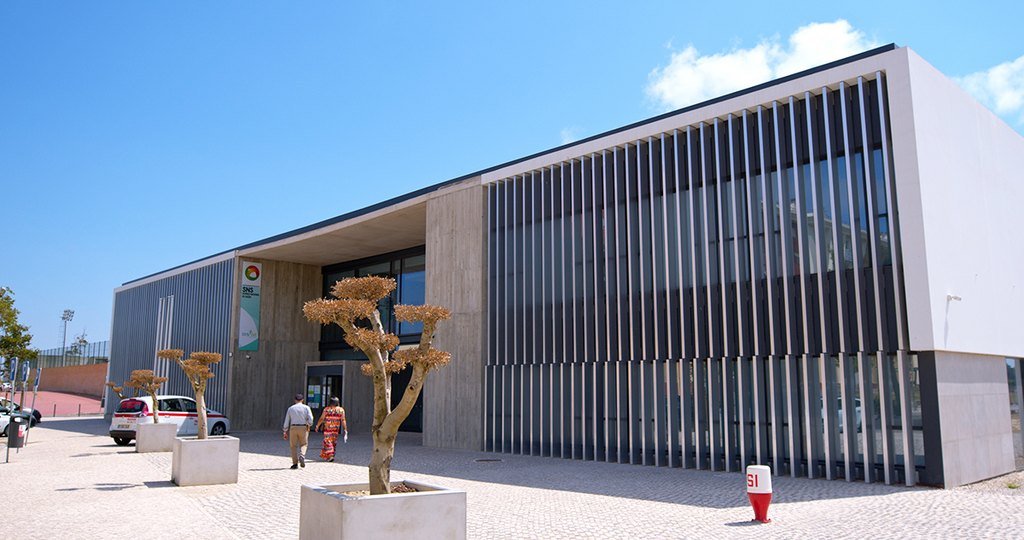
    This article is general information about how NIF applications work in Portugal, not legal or tax advice. Rules and practice change, so check the current position with Finanças or a Portuguese tax adviser before acting on it.

    Frequently asked questions

    Only in some situations. EU and EEA residents can register with their home address and use electronic notifications, and anyone with an existing NIF and portal access can manage things online. A non-EU or EEA resident applying from abroad for a first NIF has no self service online route: the application is made in person in Portugal, or by a fiscal representative under power of attorney.

    Generally no. EU and EEA residents can usually register with Finanças with their home address as their tax address. Since 1 July 2022, activating electronic notifications on the Portal das Finanças covers the contact requirement in eligible cases, so most never appoint a representative.

    It is the official system that delivers Finanças notices electronically, through the Via CTT electronic mailbox, instead of by post. An electronic notice counts as delivered and starts its deadline running, just like a letter. You need portal access, meaning a NIF and the Finanças password, to switch it on.

    Yes. Anyone who can travel to Portugal can apply in person at a Finanças office, free of charge, with a passport and proof of address, and the NIF is usually issued the same day. Non-EU and EEA visitors should expect to settle how official post will reach them, by electronic notifications or a Portuguese address.

    Once you no longer need a Portuguese contact arrangement: typically when you live in Portugal and your Portuguese address is your registered tax address, or when your electronic notifications are active. Switch the address and notifications first, then cancel, so no letter falls between the two arrangements.

    On the representative route? Start in 5 minutes

    Apply online, see your full price before you submit, and our representative files with Finanças for you. Nothing is charged until you confirm.

    Start my application