Category: Taxes in Portugal

  • How to update the address on your NIF

    How to update the address on your NIF


    Back to all guides

    Taxes in Portugal

    How to update the address on your NIF

    26 October 2026By Mariana Santos

    You have moved house, or moved country, and somewhere in a drawer sits a Portuguese tax record still pointing at the old place. Your NIF number never changes, but the address Finanças holds for you needs to follow you, because it decides where your tax letters go. This guide covers why the address matters, the three moving situations, how to update it online and in person, what counts as proof, and how the change fits with a fiscal representative.

    A couple packing cardboard moving boxes in a new home, the moment to update the address on a Portuguese NIF record with Finanças
    Moving day: when the boxes move, the address on your Finanças record should move with them. Photo via Pexels.

    The short answer

    Updating the address on your NIF means updating the address on your existing Finanças record. Your number stays the same for life. You can request the change on Portal das Finanças with your NIF and password, or in person at a Finanças office or a Loja do Cidadão, with proof of the new address. Do it promptly after any move: letters sent to the old address still count, and their deadlines still run.

    • Moving within Portugal: update to your new Portuguese address, online or in person.
    • Moving to Portugal from abroad: register your Portuguese address, the step that usually lets you end fiscal representation.
    • Moving away from Portugal: update to your new foreign address, and consider whether you now need a fiscal representative.

    Why the address on your Finanças record matters

    It is tempting to file this under admin and forget it. That is a mistake, because the address on your record is not a mailing preference. It is the official address Finanças uses for you: tax letters and assessments are sent there, and a letter sent there is treated as delivered to you, whether or not it reaches your hands.

    The address also sits next to your tax residence position. The two are not the same thing, and changing one does not change the other, but a record showing a home you left two years ago can complicate everything from a property sale to a routine filing. To see what Finanças holds for you first, our guide to How to check your NIF status, and what to do if you lost your NIF number shows how to check your registered details.

    The three moves, and the route each one takes

    Every address update is one of three moves. The paperwork is similar, but the route differs, so find yours first:

    The three address moves, and what each one involves.

    How to update your address on Portal das Finanças

    If you have portal access, this is the route most people use. The portal layout changes over time, so treat these steps as the general path, not a promise about exact menu names:

    • Sign in. Go to Portal das Finanças and sign in with your NIF and your Finanças password, the senha de acesso.
    • Open your registration details. Look for your personal area and your registration data, your dados de registo, where your current address is shown.
    • Request the address change. Start the address change, enter the new address exactly as it appears on your proof, and submit the request.
    • Confirm if a code arrives. Some address changes are only completed once you enter a confirmation code that Finanças sends by post to the new address. That postal check is how Finanças verifies the address is real and yours, so watch for the letter and enter the code promptly.

    You cannot use this route without the password, because the portal account proves the request comes from you. If you have never had one, our guide to the Finanças password explained: what it unlocks and how it arrives covers what it unlocks and how it arrives, by post, at the address currently on your record. One more reason to update your address before you need the portal urgently.

    A woman updating her address on Portal das Finanças on a laptop at home on the sofa, the online route to change a NIF address
    Updating your Finanças address from home: the portal route needs your NIF, your password and proof of the new address. Photo via Pexels.

    How to update your address in person

    The in person route suits anyone without portal access, or whose online change is stuck. Take your passport or identity card, and proof of the new address, to a Finanças office or a Loja do Cidadão, and ask for your registration address to be updated. Staff make the change, generally during the visit.

    Two points help. First, take the strongest proof you have, and a second document if you can. Second, ask what address now shows on your record before you leave. If you have never visited a Portuguese tax office, our guide to the NIF at the airport or on arrival: can you get one when you land? explains how in person visits to those offices work, queues, documents and all.

    What counts as proof of the new address

    Finanças needs evidence that the new address is real and connected to you. The documents that generally serve are familiar:

    • A utility bill for the new home. A recent water, electricity or telecom bill in your name at the new address.
    • Your rental contract. The signed lease for the new home, naming you as tenant.
    • The atestado de residência. The residence certificate from your local council, the junta de freguesia, confirming that you live at the address. For a move within Portugal, this is often the cleanest proof of all.

    Which document fits depends on your situation: a buyer can also use property paperwork, and a new arrival may start with the lease and add the atestado later. Whatever you use, the name and address on it should match the address you are asking Finanças to register.

    Residential apartment buildings on Avenida Elias Garcia in the Avenidas Novas district of Lisbon, Portugal, the kind of Portuguese home address registered on a NIF record
    Avenida Elias Garcia in Avenidas Novas, Lisbon: a residential address like this one is what your Finanças record should show once you have moved. Photo via Wikimedia Commons.

    Your fiscal representative and your address

    If you are non-resident with a fiscal representative, two addresses are in play. While representation is active, Finanças letters go to your representative in Portugal. Your own address on the record is still your real address abroad, and keeping it current matters: it is part of your file if representation ends.

    The bigger change comes when you move to Portugal. Once your Portuguese address is registered, Finanças can write to you directly at home, and you can usually end the fiscal representation, in that order. The subject is covered in full in Fiscal representative in Portugal: what they do and when you can stop, and the move itself, step by step, in Do you still need a fiscal representative after you move to Portugal?. Moving the other way reverses the logic: once your record points abroad again, a representative in Portugal is how many non-residents make sure official letters are received and forwarded.

    Timing, and the mistakes that cause trouble

    Update your address promptly after you move, in the same round of admin as the utilities and the bank. Three habits protect you:

    • Keep proof that you submitted the change. A screenshot of the portal confirmation, the code letter, or a note of the office visit. If a letter later goes astray, that proof shows you did your part.
    • Check the record afterwards. Sign in, or ask at an office, and confirm the new address is the one showing. A submitted request and a completed change are not always the same thing, especially with a postal confirmation code.
    • Never assume a missed letter pauses anything. A tax letter sent to your old address still counts as delivered, and its deadline still runs. That rule is why this small update belongs on your moving checklist.

    If you applied for your NIF through this service, we help our own customers with this paperwork as part of their file: tell us you have moved, and we will point you to the right route and check the change has landed. There is no separate product to buy for that.

    This guide is general information about how address updates on a Portuguese tax record work. It is not tax advice, and it does not settle your tax residence. If your move involves a property sale, a business or a filing in progress, a qualified professional in Portugal can advise on your case.

    Frequently asked questions

    No. Your NIF number never changes. An address update changes only the address held on your existing Finanças record. Your registration and history stay exactly as they were.

    Sign in with your NIF and Finanças password, open your registration details and request the change. The portal layout changes over time, so treat that as the general path. Some changes take effect only after you enter a confirmation code that Finanças posts to the new address.

    In general, a recent utility bill in your name, a rental contract for the new home, or the atestado de residência, the residence certificate from your junta de freguesia. Take the document that best matches your situation, and a second one if you can.

    Yes. While you are non-resident, letters go to your representative, but your own address on the record should still be your real address abroad. When you move to Portugal, registering your Portuguese address is the step that lets Finanças write to you directly and usually lets you end the representation.

    In person, the change is generally made during the visit. Online, submitting is quick, but some changes complete only once you confirm with the code posted to the new address, so allow time for that letter. Until the change shows on your record, letters keep going to the old address.

    No. The address on your record and your tax residence are separate questions. Tax residence depends on your own circumstances, such as where you live and the ties you keep. Updating an address does not by itself settle your tax residence in either direction. This guide is general information only.

    Moved, and still need your NIF itself?

    Apply in 5 minutes from your sofa, see your full price before you submit, and let us deal with Finanças for you. Your official NIF arrives by email, with 6 months of fiscal representation included.


    Start my application

  • NIF and tax residency: the 183-day rule explained

    NIF and tax residency: the 183-day rule explained


    Back to all guides

    Taxes in Portugal

    NIF and tax residency: the 183-day rule explained

    26 October 2026By Mariana Santos

    Few questions cause more confusion for people moving to Portugal than this one. You apply for a NIF, the Portuguese tax identification number, and someone warns you that you have just made yourself a tax resident, with Portuguese tax to think about on everything you earn. That warning is wrong, but the rule behind it deserves a proper explanation. This guide separates the number from the status: what the 183-day rule actually says, the second route to residency that can catch people under 183 days, what residency changes in general terms, and the paperwork side that connects your status to your NIF record.

    A person marking dates in a paper calendar planner, counting days for the 183-day rule for tax residency in Portugal
    Counting the days: the 183-day rule is about where you spend your time, not about holding a Portuguese tax number. Photo via Pexels.

    The short answer

    A NIF is just an identification number. Holding one does not make you tax resident in Portugal, and not holding one would not keep you non-resident. Tax residency is decided by your life, not your paperwork: in general terms, you are tax resident in Portugal if you spend more than 183 days here in a 12-month period, or if you keep a home here in conditions that suggest you intend to live in it habitually. Everything else in this guide follows from that separation.

    • More than 183 days in Portugal in any 12-month period: generally tax resident.
    • A home in Portugal kept as your habitual base: residency is possible even under 183 days.
    • A NIF on its own: never, by itself, a route to tax residency.

    First, the separation: a number is not a status

    The NIF, the Número de Identificação Fiscal, is the nine-digit number Finanças, the Portuguese tax authority, uses to identify you. It appears on contracts, invoices, bank accounts and visa files. Plenty of people hold one without living in Portugal at all: buyers of holiday homes, heirs settling an estate, freelancers with a Portuguese client, and applicants preparing a visa from abroad. Our guide to the NIF for non-residents: the complete guide exists precisely because so many NIF holders are not Portuguese tax residents.

    Tax residency is a different question, answered by tax law rather than by the NIF register. It asks where your life is centred: how much time you spend in Portugal, and whether you keep a home here as your base. The two questions meet on your Finanças record, where your status is recorded as resident or non-resident, but one does not decide the other. Getting a NIF does not trigger residency, and there is no handing a NIF back to end it. The number simply follows the status that your circumstances create.

    The 183-day rule

    The best known test is the day count. In general terms, under Portuguese rules you are tax resident in Portugal if you stay in the country for more than 183 days, consecutive or not, in any 12-month period that begins or ends in the tax year in question. The Portuguese tax year follows the calendar year, running from January to December.

    Three details in that sentence do real work. First, more than 183 means 184 days or above: the test is passed once your days go past the halfway mark of a year. Second, the days do not need to be consecutive: separate trips add up, so a pattern of long stays can cross the line without any single stay looking dramatic. Third, the window is any 12 months, not only the calendar year, so a stay that straddles two tax years can count in a period that starts or ends in either year. Counting days sounds simple, and for most people it is, but borderline cases are exactly where professional advice earns its fee.

    Two routes can lead to Portuguese tax residency. A NIF is not one of them.

    The second route: the home you keep in Portugal

    The day count is not the only door. In general terms, you can also be tax resident in Portugal if you have a home in the country in conditions that suggest you intend to keep it and live in it as your habitual residence. A home kept as your base, available to you through the year and lived in as your home, points to residency even if your counted days stay under 183.

    This is the part that surprises people who plan around the day count alone. Someone who spends 150 days a year in their own Portuguese home, keeps their belongings there and treats it as home, may be resident under the home test, while a traveller with 170 days in hotels and short stays is generally not. What matters is the pattern of your life, not a single document. Whether a particular home counts is a judgement on the facts of each case, which is why this guide states the test in general terms only.

    A lived-in apartment building in Lisbon, Portugal with laundry hanging from a balcony, a home kept as a habitual base for tax residency
    A lived-in home in Lisbon, laundry on the balcony: a home kept as your base can point to tax residency even when your day count stays under 183. Photo via Pexels.

    Part-year residency: resident for only part of a year

    Residency is not always a whole-year answer. In general terms, Portuguese rules allow for part-year residency: a person can be resident for part of a tax year and non-resident for the rest, for example in the year they arrive to live in Portugal, or the year they leave for good. The split follows the move, so the year of a genuine relocation often divides into a non-resident part and a resident part.

    Whitewashed homes in the hilltop village of Monsaraz in the Alentejo, Portugal, where many people keep a home for part of the year
    Monsaraz in the Alentejo: many people split their year between Portugal and another country, and part-year residency is how a mid-year move is generally read. Photo via Wikimedia Commons.

    What tax residency actually changes

    The reason the question matters is scope. In general terms, a tax resident of Portugal is taxed in Portugal on their worldwide income: income arising in other countries comes into the Portuguese picture. A non-resident is generally taxed in Portugal only on Portuguese-source income, such as rent from a property in Portugal, or payment for work done here. The same person, with the same income, can therefore face a very different Portuguese tax picture depending on the status.

    Beyond scope, residency generally brings filing duties: residents generally file a Portuguese tax return covering their position, while non-residents usually file only where they have Portuguese-source income that requires it. Special regimes have existed over the years for certain new residents, and the rules change from time to time, so check the current position with an adviser rather than relying on anything general, including this guide. This article deliberately gives no rates and no regime detail: both belong in advice about your own circumstances.

    Resident in two places at once: double tax treaties

    Day counts and home tests exist in many countries, so it is entirely possible to meet the residency test in Portugal and in another country in the same year. That does not usually mean being taxed twice on the same income in full. Portugal has double tax treaties with many countries, and those treaties include tie-breaker rules that decide, for treaty purposes, which country treats you as its resident when both could claim you.

    The paperwork side: your status on your Finanças record

    Your residency position is recorded on your Finanças record, against your NIF: the record shows your registered address and whether you are held as resident or non-resident. That record is administrative, not decisive: it should reflect your real position, and if it does not match your life, the answer is to correct the record, not to assume the record settles your status. To see what is held for you, our guide to How to check your NIF status, and what to do if you lost your NIF number shows how to review your registered details.

    Two practical habits follow. First, keep your registered address current: our guide to How to update the address on your NIF walks through the change, and the address matters because official letters go there. Second, while you are registered as non-resident and live outside the EU or EEA, a fiscal representative in Portugal generally stays on your file to receive your tax post: Fiscal representative in Portugal: what they do and when you can stop explains the role, and Do you still need a fiscal representative after you move to Portugal? covers what changes when you move here and your status changes with you.

    Four misconceptions worth clearing up

    Most of the confusion around this subject comes from four ideas that sound plausible and are not right:

    • Getting a NIF made me tax resident. It did not. The number is issued to residents and non-residents alike, every day, and the act of issuing it changes the status of nobody.
    • Staying under 183 days keeps me safe in every case. Not necessarily. The home test can make you resident with fewer days, if the home you keep in Portugal looks like your habitual base.
    • My visa or residence permit decides my tax residency. These are separate systems. Immigration status and tax status often overlap, because both follow where you live, but each is decided under its own rules, and holding one does not grant or remove the other.
    • The 183 days must be consecutive. They do not. Scattered stays add up across the 12-month window, which is why people who visit often can cross the line without ever taking one long trip.

    This guide is general information about how Portuguese tax residency is generally decided. It is not tax advice, and it does not describe your personal position. Residency questions turn on individual facts, so take advice from a qualified tax professional in Portugal, and in your other country if you have one, before acting on anything here.

    Frequently asked questions

    No. A NIF is an identification number, issued to residents and non-residents alike. Having one does not make you tax resident, and not having one would not keep you non-resident. Tax residency follows where you live and spend your time, under the day count and the home test described in this guide.

    In general terms, you are tax resident in Portugal if you stay in the country for more than 183 days, consecutive or not, in any 12-month period that begins or ends in the tax year. The days do not need to be consecutive, and the window is any 12 months, not only the calendar year.

    Yes, generally. Keeping a home in Portugal in conditions that suggest you intend to live there habitually can make you tax resident even under 183 days. Whether a particular home counts depends on the facts of your case, so borderline situations need individual advice.

    It is the general idea that you can be resident for part of a tax year and non-resident for the rest, most often in the year you move to Portugal or the year you leave. The split follows your actual move, so the dates and facts of your relocation matter.

    In general terms, residents are taxed in Portugal on worldwide income, while non-residents are generally taxed only on Portuguese-source income, such as rent from a Portuguese property. This guide gives no rates or regime detail: your own position needs advice on your circumstances.

    Portugal has double tax treaties with many countries, and those treaties include tie-breaker rules that decide which country treats you as resident for treaty purposes. The answer depends on the treaty and your facts, so take professional advice in both countries.

    Start with the simple part: your NIF

    Apply in 5 minutes from your sofa, see your full price before you submit, and let us deal with Finanças for you. Your official NIF arrives by email, with 6 months of fiscal representation included.

    Start my application

  • How to activate Portal das Finanças notifications, step by step

    How to activate Portal das Finanças notifications, step by step


    Back to all guides

    Taxes in Portugal

    How to activate Portal das Finanças notifications, step by step

    26 October 2026By Mariana Santos

    Official letters from Finanças carry deadlines, and a missed letter can mean a missed deadline. If you live abroad, or simply prefer your phone to your postbox, the Portal das Finanças offers a better route: electronic notifications. Once they are switched on, Finanças alerts you by email or text message when an official notice is waiting, and you read the notice itself inside the portal. This guide explains what electronic notifications are, why they matter, what you need before you start, and the activation itself, step by step, in general terms that stay useful even when the portal screens change.

    A woman reading an email inbox on a laptop at home, the way Portal das Finanças electronic notification alerts reach you
    Your tax post, in your inbox: with electronic notifications on, an alert reaches your email as soon as Finanças posts a notice to your portal account. Photo via Pexels.

    The short answer

    Electronic notifications mean Finanças contacts you through the Portal das Finanças instead of relying on paper post alone. You switch them on inside the portal, using your NIF and your Finanças password, and you confirm the email address and mobile number where alerts should go. From then on, when a tax notice is posted to your account, you get an alert by email or SMS, and the notice itself waits for you in the portal, where you sign in and read it. The alert is the tap on the shoulder. The portal is where the letter lives.

    • Free to switch on, and done entirely inside the Portal das Finanças.
    • Alerts arrive by email or text message, wherever you live.
    • For some non-residents outside the EU and EEA, joining the system can replace the need for a fiscal representative.

    What electronic notifications are

    The Portal das Finanças, at portaldasfinancas.gov.pt, is the online home of the Autoridade Tributária e Aduaneira, the Portuguese tax authority, usually shortened to Finanças. Inside the portal, every taxpayer has a personal area, and one part of it works like a secure mailbox: official communications, such as tax assessments, payment notices and other formal letters, are posted there as electronic notifications.

    When you activate electronic notifications, you are telling Finanças two things: that you accept official communications through this channel, and where to send the alert that tells you something has arrived. Depending on your situation, electronic notifications can work instead of paper letters or alongside them, and once active they form part of your official contact details on your Finanças record, much like your registered address.

    Longer standing readers may know the older name in this area: ViaCTT, the electronic mailbox service run by the Portuguese postal service, CTT, which for years delivered tax notifications electronically and was closely linked to the portal. The arrangements behind electronic delivery have been reorganised over time, and today the practical route for most taxpayers runs through the Portal das Finanças itself. If older guides send you to ViaCTT, treat them as history rather than instructions, and work from the portal.

    Why it matters: tax letters carry deadlines

    A Finanças letter is rarely just information. An assessment sets out tax to pay, a notice opens a window to respond, and many of them start a clock: pay by this date, reply by that date, appeal within so many days. Missing the letter does not stop the clock. A deadline that passes unanswered can mean interest, penalties, or a decision that becomes final simply because nobody replied in time.

    Paper post is the weak link, above all for non-residents. A letter to a foreign address can take weeks to arrive, and a letter sent to a representative in Portugal still has to be read and forwarded on to you. An electronic alert collapses that journey to minutes. Wherever you live, you hear about the notice on the day it is posted, and you can sign in and read it the same day. For anyone whose Portuguese tax life runs from another country, that is the difference between managing your affairs and chasing them.

    The non-resident connection: notifications and your fiscal representative

    There is a second reason this switch matters, and it is specific to people living outside the EU and EEA. Since 1 July 2022, taxpayers resident outside the EU or EEA who join the electronic notifications system on the Portal das Finanças can, in some cases, meet their obligations without appointing a fiscal representative. Joining the system is one of the recognised routes, because it gives Finanças a reliable way to reach you directly. Our guide to getting a NIF without a fiscal representative explains who that route suits and where its limits are, and Fiscal representative in Portugal: what they do and when you can stop explains the representative role itself.

    Two careful points. First, in some cases is doing real work in that sentence: the position depends on your circumstances, and activation is not a promise that the representative requirement ends for everyone. Second, many non-residents keep a representative even when they could stop, because a person in Portugal who reads every letter is its own kind of insurance. Treat activation as an option to understand, ideally with advice on your own position, and not as a switch to flip blindly.

    Before you start

    Activation is a short job, but it goes smoothly only if four things are already in place:

    • Your NIF. Your nine digit Portuguese tax number. Your whole portal account hangs off it, so there is no activation without one.
    • Your Portal das Finanças password. The password that signs you in to the portal. If yours has not arrived yet, or never came, our guide to the Finanças password explains how it is issued and why it travels by post.
    • An email address you actually read. Alerts go here, so use your everyday inbox, not an address you check twice a year.
    • A mobile number that can receive text messages. The portal confirms your contacts with codes sent to them, and SMS is one of the alert channels.

    One more preparation: do the activation on a device and a connection you trust, and have your phone beside you. The confirmation codes arrive while you work, and they are time limited.

    How to activate, step by step

    The portal is updated from time to time, so screens and menu labels move. The path below is the general route through it, in the order the portal asks for things, rather than a promise about the exact wording on any given screen.

    Activating Portal das Finanças notifications in five steps, from sign in to saved settings.

    That is the whole job for most people: ten to fifteen minutes when the password and the codes behave. If a screen you see does not match these steps word for word, do not improvise around anything that looks like a security question. Portal layouts change. The order of events, sign in, register contacts, confirm them, switch on, save, is the part that stays stable.

    After you switch it on: the alert is not the letter

    Once notifications are active, the flow runs like this. Finanças posts a notice to your portal account. You receive an alert, by email, by text message, or both, saying that a communication is waiting. You then sign in to the portal and open the notice itself. The legally important document is the one in the portal, with its dates and deadlines, not the short alert that announced it.

    A hand holding a smartphone showing notification alerts on the lock screen, the alert that a Portal das Finanças notice is waiting
    An alert on your phone means a notice is waiting in the portal. The alert itself is not the letter: sign in and read the notice. Photo via Pexels.

    One rule deserves emphasis, because it surprises people. Under the rules of the notifications system, a notice can be treated as delivered after a set period, whether or not you actually opened it, in much the same way that a letter you signed for counts as received. The exact timings sit in the rules of the system and can change, but the principle is firm: switching notifications on and then ignoring the alerts is worse than never switching them on, because the clock may be running while you look the other way. Open every alert promptly, read the notice, and note its deadline.

    Keeping it working

    Activation is not a fit and forget job. Three small habits keep the channel alive:

    • Update your contacts when they change. A new email address or phone number only helps if the portal holds it. Update both in the same settings where you first registered them.
    • Guard your password. Your portal password opens your whole tax record. Keep it private, never share it, and remember that if it is lost, a replacement is issued by Finanças and arrives by post, as our Finanças password guide explains.
    • Keep the rest of your record current. Notifications sit alongside your other registered details. Our guide to checking your NIF status shows how to review what Finanças holds for you, and if you move home, our guide to updating the address on your NIF walks through changing the address itself.
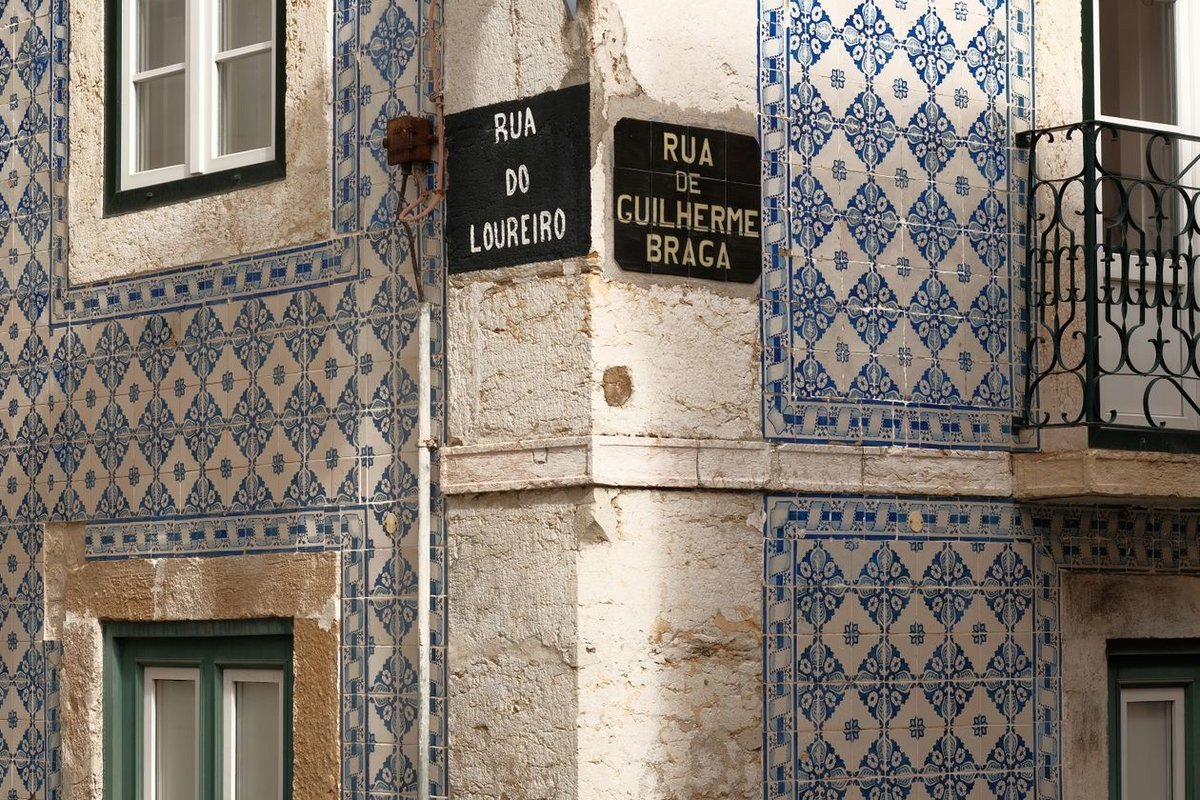
    A Lisbon house front covered in blue and white azulejo tiles with street name plaques on the corner, the registered home address behind a Portuguese NIF record
    A tiled house front in Lisbon, street name plaques on the corner: your registered address still matters, even when your notifications arrive electronically. Photo via Pexels.

    If you get stuck

    If the portal defeats you, help exists offline. A Finanças office or a Loja do Cidadão citizen shop can help you in person with portal access and settings, and staff deal with locked accounts and missing passwords every day. Bring your passport and your NIF, and if your password never arrived, say so early: it is one of the most common problems they solve.

    While you have a fiscal representative, they can also guide you through activation and check that your settings took effect, because receiving and forwarding your tax post is the heart of their role. Fiscal representative in Portugal: what they do and when you can stop sets out what that role covers, and when it can end.

    This guide is general information about how Portal das Finanças electronic notifications work and how activation generally runs. It is not tax or legal advice. Portal screens, menu names and the detailed rules of the notifications system change over time, and whether joining the system affects a fiscal representative requirement depends on your circumstances, so confirm your own position with Finanças or a qualified adviser.

    Frequently asked questions

    They are the official way Finanças delivers tax communications through its online portal instead of relying on paper post alone. When a notice, such as an assessment or a payment demand, is posted to your account, you receive an alert by email or text message, and the notice itself waits in the portal for you to sign in and read.

    They can, in many situations, but the mix depends on your circumstances and on the type of communication. Treat the portal as your primary channel once notifications are active, keep your registered address current as a backstop, and never assume a paper copy is also coming.

    In some cases, yes. Since 1 July 2022, taxpayers resident outside the EU or EEA who join the electronic notifications system can in some cases meet their obligations without a fiscal representative. It depends on your circumstances, so check your own position before cancelling anything, and note that many people keep a representative by choice.

    Your NIF, your Portal das Finanças password, an email address you read regularly, and a mobile number that can receive text messages. The portal sends confirmation codes to the email and the number, so have your phone beside you when you activate.

    It can. Under the portal rules, a notification may be treated as delivered after a set period even if you never opened it, and deadlines in the notice can run from that delivery. Always open alerts promptly, read the notice in the portal, and note the deadline it sets.

    Update them in the portal as soon as they change, in the same notification and contact settings where you first registered them, and confirm the new details with the codes the portal sends. Alerts sent to an old inbox or a dead number are the most common way this system quietly stops working.

    Start with the number everything hangs off

    Apply in 5 minutes from your sofa, see your full price before you submit, and let us deal with Finanças for you. Your official NIF arrives by email, with 6 months of fiscal representation included.

    Start my application

  • NIF for inheritance in Portugal: what heirs need to know

    NIF for inheritance in Portugal: what heirs need to know


    Back to all guides

    Taxes in Portugal

    NIF for inheritance in Portugal: what heirs need to know

    26 October 2026By Mariana Santos

    If you are reading this, there is a good chance you have recently lost someone, and we are sorry for your loss. Paperwork is the last thing anyone wants at such a time, yet a Portuguese inheritance comes with some, and one piece of it is a tax number. This guide explains, calmly, why heirs need a Portuguese NIF, when the estate itself needs one, which documents matter at a general level, and how a foreign heir can get their own number from abroad. It covers the NIF side only: the wider estate needs proper legal advice, and we say so where that matters.

    Whitewashed family houses with a red door and blue trim on a cobbled street in Alte, a village in the Algarve, Portugal, the kind of family home at the centre of a Portuguese inheritance
    A quiet street of whitewashed family houses in Alte, in the Algarve: the family home is the asset most Portuguese inheritances revolve around. Photo via Wikimedia Commons.

    The short answer

    If you inherit anything in Portugal, a house, a bank balance, a share of an estate, you need your own Portuguese NIF before the inheritance can be settled in your name, unless you already have one. Finanças, the Portuguese tax authority, identifies every heir by NIF in the inheritance paperwork, and the number the deceased person held is never passed on: each heir is recorded under their own. Heirs who live abroad can get their number remotely, and for most families this is a small, early step that lets the notary and the lawyer do the rest.

    • Every heir is identified by their own NIF. Nobody inherits the deceased person’s number.
    • An undivided estate can need its own separate NIF while it waits to be shared out.
    • A foreign heir applies from home: non-EU and EEA heirs use a fiscal representative, EU and EEA heirs can usually register with their home address.

    Why heirs need a NIF

    A NIF, short for número de identificação fiscal, is your personal tax number in Portugal, and it follows you for life. Banks, notaries and Finanças use it to tie assets and obligations to the right person. An inheritance is, in the eyes of the administration, a transfer of assets to named people, and each of those people has to be identifiable in the system before the transfer can be recorded.

    In practice, that means every heir who receives something from a Portuguese estate, property, money in a bank account, a share of a business or any other asset, needs a NIF of their own if they do not already hold one. It does not matter where you live or which passport you hold. A Portuguese heir living in Lisbon and a grandchild living in Toronto are treated the same way on this point: no NIF, no completed paperwork. Our complete guide for non-residents sets out how the number works for people based outside Portugal.

    If you already have a Portuguese NIF, from an earlier move, a property purchase or a previous application, that same number is the one used. A NIF is issued once and never changes, so there is nothing new to apply for.

    The estate itself can need a NIF as well

    There is a second number that surprises families. Between a death and the final sharing out, the estate sits in a state the Portuguese call herança indivisa, an undivided inheritance, owned collectively by all the heirs at once. In some situations that undivided estate is treated as a taxpayer in its own right and needs its own NIF, separate from every heir’s personal number, for example while property is rented out or bills and taxes are settled in the estate’s name.

    One person steers that side of things: the cabeça-de-casal, usually translated as head of household for the estate, often the surviving spouse or the eldest heir. The cabeça-de-casal represents the undivided estate before Finanças, receives its tax post and handles its declarations until the assets are divided. Whether a given estate needs its own number, and who should act as cabeça-de-casal, depends on the estate itself, so treat this as general orientation and let the lawyer or notary handling your case confirm it.

    Foreign heirs: your own NIF, applied for from home

    Many Portuguese estates have heirs scattered across the world: children who emigrated, grandchildren born abroad, a spouse who never lived in Portugal. Geography does not remove the NIF requirement, but it does change the address and representation side of the application.

    Heirs living abroad are registered with their foreign address. If you live outside the EU and EEA, Finanças requires a fiscal representative resident in Portugal to file for you when you apply from abroad, the same rule our guide to getting a NIF from outside Portugal walks through step by step. EU and EEA heirs can often register directly with their home address, and our guide to getting a NIF without a fiscal representative explains where that route works and where it does not.

    None of this requires a trip to Portugal. A foreign heir’s NIF application runs on scans and email, in the same way as any other remote application, and the number itself arrives by email once Finanças issues it.

    Rua do Alecrim in Lisbon at dusk, a quiet street of older houses sloping down towards the Tagus river
    Rua do Alecrim, Lisbon, at dusk. Wherever in the world an heir lives, their Portuguese NIF is arranged the same way: one number, in their own name. Photo via Wikimedia Commons.

    The key documents, at a general level

    Every estate is different, and the exact file is assembled by the notary or lawyer handling it. At a general level, though, families are usually asked for the same core documents:

    • The death certificate, which starts everything: the death is registered in Portugal, and the certificate is the document the rest of the process builds on.
    • The will, if there is one, which sets out the deceased person’s wishes. Where there is no will, the general rules of succession decide who the heirs are.
    • Proof of heir status, formalised through the habilitação de herdeiros, the process in which a notary or lawyer confirms who the heirs are. This is the document that turns family relationships into legal standing.
    • Identity documents and proof of address for each heir, a passport or EU identity card, plus a recent proof of the address where each heir lives. These feed both the inheritance file and each heir’s NIF application.
    A hand signing a formal document with a fountain pen, the signing moment in the habilitação de herdeiros heirship process in Portugal
    Signing the habilitação de herdeiros: the moment heir status becomes official, and the point where every heir’s NIF needs to be ready. Photo via Pexels.

    Foreign documents sometimes need certified translations or an apostille at the wider estate stage. That is a question for the lawyer or notary on your case, not a NIF requirement in itself, and it is one more reason to take proper advice early.

    The broad sequence, in order

    No two estates run to the same timetable, and this is a general outline only, not a checklist with deadlines. In broad terms, though, a Portuguese inheritance usually moves through four stages:

    The broad sequence of a Portuguese inheritance, in general terms.

    Notice where the NIF sits in that order: early. Families who leave the tax numbers until the end often find the final stage stalled, waiting on an application that could have been filed weeks earlier.

    Stamp duty, in general terms

    Portugal charges stamp duty, imposto do selo, on inheritances, and it is the tax most families ask about first. The well known feature of the system is that close family inheritances are exempt: spouses, children and other descendants, and parents and other ascendants, generally do not pay stamp duty on what they inherit. Heirs outside that close circle, such as siblings, other relatives or unrelated beneficiaries, are the ones for whom the duty usually matters.

    That is as far as a NIF guide should go. Rates, valuations, deadlines and the declaration itself belong to the estate’s tax handling, and small details change outcomes. A Portuguese lawyer, notary or tax adviser can tell you exactly where your family stands, and for anything beyond a small, simple estate that advice is not optional decoration, it is the sensible route.

    Getting your own NIF as a foreign heir

    Our part in an inheritance is deliberately narrow: we get individual heirs their own personal NIFs. If you are an heir living abroad, you can apply through this service from home at the standard prices, €99 Standard or €145 Urgent per person, with the usual representation rules for where you live. Your number is filed with Finanças by a fiscal representative in Portugal, and it arrives by email, ready to hand to the notary or lawyer settling the estate.

    Families often inherit together, and several heirs frequently need numbers at the same time. Heirs filing together can apply as one family application, with the 5% family discount on the NIF fees where it applies, as our family guide explains. Our price guide sets out every cost in the open, including the representative renewal, so the NIF side never adds a surprise to an already difficult season.

    Common confusions

    • The deceased person’s NIF becomes mine. It does not. The number belonged to one person for their lifetime, and it is never transferred, reused or inherited. Every heir is recorded under their own number, which is why a fresh application is needed for anyone who does not already hold one.
    • Only Portuguese heirs need a NIF. Nationality is not the test. Any heir recorded in the paperwork for a Portuguese estate needs a Portuguese NIF, wherever they live and whatever passport they carry.
    • The notary settles everything. The notary or lawyer formalises heir status and the transfer, but the Finanças side, the estate declaration and the tax record of each heir, runs alongside it. The two halves meet, and the NIF is where they join.
    • I can sort the NIF out at the end. You can apply at any point, but the final transfers cannot be recorded without it. Early is calmer, especially from abroad.

    This guide is general information about the NIF side of a Portuguese inheritance. It is not legal or tax advice, and it is not a guide to settling an estate. Every estate is different: for the habilitação de herdeiros, the estate declaration and any stamp duty question, use a Portuguese lawyer or notary, who will work from your family’s actual documents.

    Frequently asked questions

    Yes, if they do not already have one. Finanças identifies every heir by NIF in the inheritance paperwork, and each heir is recorded under their own number. The deceased person’s NIF is never transferred or inherited.

    In some situations, yes. While an estate remains undivided, a herança indivisa, it can be treated as a taxpayer in its own right and need its own NIF, separate from the heirs’ personal numbers. The cabeça-de-casal handles the estate’s tax side. Your lawyer or notary confirms whether your estate needs one.

    Yes. A foreign heir applies remotely, with scans and email. Heirs outside the EU and EEA use a fiscal representative resident in Portugal when applying from abroad, while EU and EEA heirs can often register with their home address. The number arrives by email once Finanças issues it.

    Generally, no. Spouses, descendants such as children and grandchildren, and ascendants such as parents are generally exempt from imposto do selo on what they inherit. Heirs outside that close circle are usually the ones the duty applies to. Estates need professional advice on their own facts, because this is general information only.

    It is the formal process, handled by a notary or a lawyer, that confirms who the heirs of an estate are. It turns family relationships into legal standing, and it is one of the core documents in the inheritance file. Each estate’s lawyer or notary assembles it from the death certificate, any will, and the heirs’ identity documents.

    The same as any other application: €99 Standard or €145 Urgent per person, with 6 months of fiscal representation included where representation applies. Heirs filing together can apply as one family application, with a 5% discount on the NIF fees where it applies. The estate’s legal work itself is separate, and is handled by your own lawyer or notary.

    Need your own NIF for an inheritance?

    Apply in 5 minutes from your sofa, see your full price before you submit, and let us deal with Finanças for you. Your official NIF arrives by email, ready for the notary or lawyer settling the estate.

    Start my application

  • Selling a property in Portugal as a non-resident: the NIF paperwork

    Selling a property in Portugal as a non-resident: the NIF paperwork


    Back to all guides

    Taxes in Portugal

    Selling a property in Portugal as a non-resident: the NIF paperwork

    26 October 2026By Mariana Santos

    Selling up is the mirror image of buying, and it runs on the same small number. If you own a home in Portugal and live abroad, the sale is recorded against the Portuguese NIF you bought with, your fiscal status is written into the deed, and the tax paperwork that follows the sale finds you through the details Finanças holds for that number. This guide covers the NIF and paperwork side of a non-resident sale: where the number appears, why your representative still matters until the tax side is settled, capital gains in general terms, and the documents to have ready. It is general information only. A sale needs a Portuguese lawyer and a tax adviser, and we say so where it counts.

    Whitewashed houses and a yellow house front on a cobbled street in Tavira old town in the Algarve, Portugal, the kind of property a non-resident owner sells
    Old town houses on a cobbled street in Tavira, in the Algarve. Homes like these change hands every week, and every sale is recorded against the seller’s Portuguese NIF. Photo via Wikimedia Commons.

    The short answer

    You sell with the same NIF you bought with. A Portuguese NIF is issued once, never changes and is never reissued, so the number on your purchase deed is the number on your sale deed, and the capital gains paperwork that follows the sale is assessed against it. There is no new number to apply for when you sell. What can need attention before the sale is everything attached to the number: the name and address Finanças holds for you, your recorded status as resident or non-resident, and, if you are registered from outside the EU and EEA, the fiscal representative who receives your tax post. Sort those out before the sale, not at the notary table.

    • Same NIF, start to finish: the number you bought with is the number you sell with, for life.
    • Check the details on the record, your name, address and fiscal status, while there is still time to correct them.
    • Keep your fiscal representative in place until the sale’s tax side is settled, not just until the deed is signed.

    Where your NIF appears in the sale

    A Portuguese property sale completes at the escritura, the final deed signed in front of a notary. The deed names every seller in full, and beside each name sits their NIF. It also records each seller’s fiscal status, whether Finanças treats you as resident or non-resident for tax purposes, because that status shapes how the sale is taxed afterwards. Joint owners are each named with their own number, exactly as they were when they bought.

    Before the deed is signed, the notary and the buyer’s lawyer check that the details on your Finanças record match your passport: the same name, in the same order and spelling. A mismatch that was harmless for years, a second surname dropped here, an old address there, can stall a completion day while it is explained. This is the moment to use our guide to checking your NIF status and finding your number if you are not sure what your record says, and our guide to updating the address on your NIF if you have moved since the record was made.

    None of this needs fixing often. But a sale has a chain of people waiting on it, buyers, agents, a bank, another notary appointment, so a ten minute check early is worth more than a phone call on signing day.

    A seller's hand signing a sale contract document with a pen, the escritura signing moment when a Portuguese property sale completes
    Signing the escritura, the final deed. The deed names every seller with their NIF and records each seller’s fiscal status. Photo via Pexels.

    The fiscal representative question for sellers

    If you are registered with Finanças as a non-resident living outside the EU and EEA, you will generally have a fiscal representative in Portugal, the person or firm whose address stands on your record for tax post. Our guide to what a fiscal representative does explains the role, and our guide to getting a NIF without a fiscal representative explains who needs one and who does not.

    The representative matters more during a sale, not less. Finanças writes about the sale to the address and the representative on file, and the letters that follow a completion, including anything about the capital gain, go to that address. If representation has lapsed, or letters go to a representative you parted company with years ago, the first you hear of a tax question can be late.

    So the practical rule is simple: do not cancel your representation the week you sell. Keep it in place through the completion and until the tax side of the sale is settled, then review it with a clear head. Think of the deed as the middle of the process, not the end of it.

    Capital gains, in general terms only

    When a non-resident sells Portuguese property for more than they paid, the gain, mais-valias in Portuguese, is taxed in Portugal. That much is safe to say. Almost everything beyond it needs care: the rules for non-resident sellers have changed over the years, they offer choices in some cases, and how a gain is worked out depends on your own purchase price, costs and circumstances.

    For that reason this guide states no rates and does no calculations, on purpose. A rate quoted out of context is worse than none, because the wrong assumption at the promissory contract stage can be expensive to unwind. Take the tax question to a Portuguese tax adviser before you sign the promissory contract, the CPCV, not after: that is the point where the price, the timeline and your position are set.

    The point that belongs in a NIF guide is narrower, and it is certain: the gain is assessed against your NIF, under the fiscal status recorded for you. If the number is wrong, or your status on the record does not reflect your real position, the assessment machinery starts from the wrong place. Getting the record right is the part you control, and it is quick compared with the sums at stake in a sale.

    The paperwork, at a general level

    Every sale is different, and your lawyer assembles the actual file. At a general level, though, a non-resident seller is usually asked for the same core set:

    The seller’s paperwork checklist, in general terms. Your lawyer confirms the exact file for your sale.

    Two of those documents come from the property’s own records rather than yours: the caderneta predial is the property’s tax booklet held by Finanças, and the certidão do registo predial is the land registry certificate that confirms ownership and any charges on the property. Your lawyer gathers both as a matter of routine. What they cannot gather for you is your own side: a valid passport, the right NIF on record, and bank details in your name for the proceeds.

    Signing from abroad

    You do not have to fly in to sell. The common remote route is a power of attorney granted to your Portuguese lawyer, who signs the deed on your behalf while you stay home, the mirror image of how many non-residents bought in the first place. Our guide to the NIF for buying property describes that buying side, and the selling side works in the same spirit: documents move by post and email, and the signing happens in Portugal without you in the room.

    Remote selling makes the early checks more important, not less. A passport detail or an address that needs correcting is a small job when you have weeks in hand, and an awkward one when your lawyer is standing in the notary’s office. Send your documents early and let the file be boring.

    After the sale

    Completion day is not the end of the paperwork. The sale is declared, and the capital gain, if any, is dealt with through the tax filing that follows the sale, all under your NIF. Keep the deed, the sale documents and anything Finanças or your adviser sends you together in one file. If a question arrives later, that file is the answer, and our guide to checking your NIF status explains how to see what your record holds.

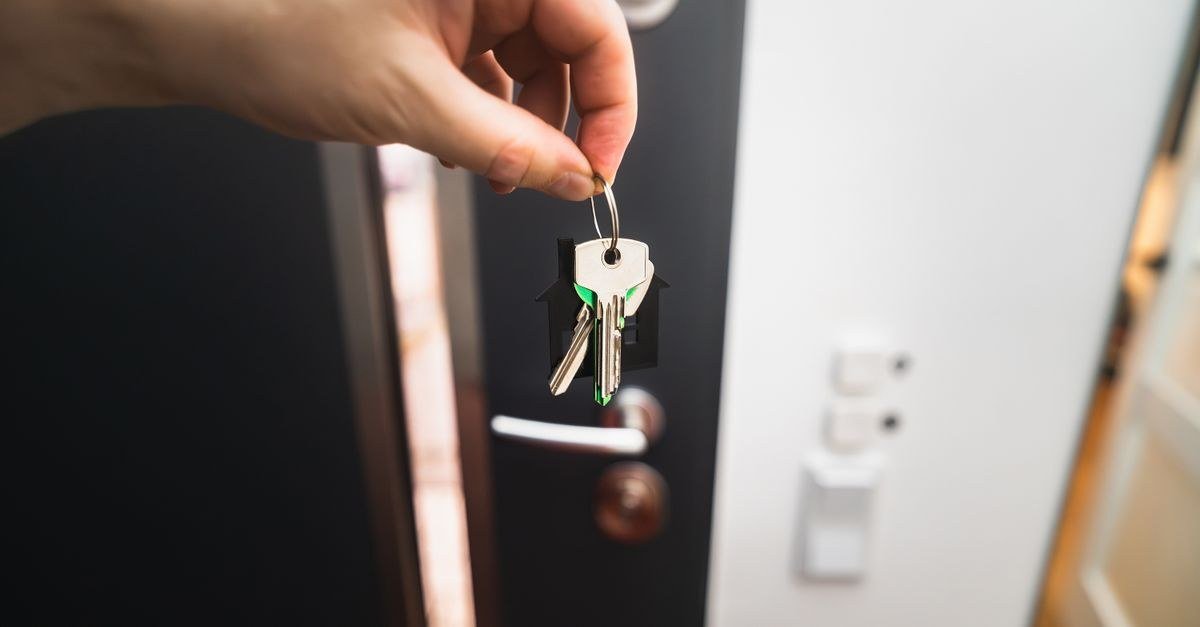
    A hand holding a set of house keys on a house-shaped key ring in front of a front door, handing over the keys at the end of a property sale
    Handing over the keys ends sale day, but not the paperwork: the tax filing follows, under the same NIF. Photo via Pexels.

    And the number itself? It stays yours for life, sale or no sale. Keep it: you may want it for a later purchase, a refund, or simply to close the tax side of this sale properly. If you are leaving Portugal entirely, the moment to review your fiscal representative arrangement is once the sale’s tax side is settled, in the same spirit our guide to needing a representative after you move explains for people going the other way. Cancel nothing while Finanças may still write to you about the sale.

    Common confusions

    • I need a new NIF to sell. You never do. A NIF is issued once and lasts for life. The number on your purchase deed is the number on your sale deed, and asking for a second number is not possible: Finanças will simply point to the one you already have.
    • The sale ends my Finanças record. It does not. The record stays open, the tax filing follows the sale, and letters about the gain are sent to the address and representative on file. Completion is the middle of the process, not the end of it.
    • I can let my representation lapse once the deed is signed. That is the riskiest week to do it. The capital gains paperwork arrives after completion, so keep the representative in place until the tax side is settled, then review the arrangement.

    This guide is general information about the NIF and paperwork side of selling property in Portugal as a non-resident. It is not legal or tax advice, and it does not replace either. Sales involve contracts, deadlines and tax choices that turn on your own facts: use a Portuguese lawyer for the sale itself and a qualified tax adviser for the capital gains side, before you sign anything.

    Frequently asked questions

    No. A Portuguese NIF is issued once, never changes and is never reissued. You sell with the same number you bought with, and it is printed on the sale deed, the escritura, exactly as it was on your purchase deed. The capital gains paperwork that follows the sale is assessed against that same number.

    Fix them before the sale, not at the notary table. The notary and the buyer’s lawyer check that the name and details on your Finanças record match your passport, and a mismatch can stall completion day. Check what your record holds first, then update anything that has changed, such as your address, while there is still time.

    If you are registered as a non-resident living outside the EU and EEA, your fiscal representative stays relevant through the whole sale. Finanças writes about the sale, including the capital gains paperwork that arrives after completion, to the address and representative on file. Keep the arrangement in place until the sale’s tax side is settled.

    In general terms, a non-resident’s gain on Portuguese property, mais-valias, is taxed in Portugal, but the rules have changed over the years and offer choices in some cases, so no honest guide can quote your figure. The gain is assessed against your NIF under your recorded fiscal status. Take your own figures to a Portuguese tax adviser before you sign the promissory contract.

    Yes, in the usual case. The common remote route is a power of attorney granted to your Portuguese lawyer, who signs the escritura on your behalf. Your own paperwork, passport, NIF record and bank details, is sent ahead, which is one more reason to check your NIF details early.

    Nothing, and that is the point. The number stays yours for life, and your Finanças record stays open: the tax filing that follows the sale runs under it, and you may need the number again for a later purchase or a refund. Keep your sale paperwork, and review any fiscal representative arrangement only once the sale’s tax side is settled.

    Need a NIF, or your details fixed, before you sell?

    Apply in 5 minutes from your sofa, see your full price before you submit, and let us deal with Finanças for you. Your official NIF arrives by email, and the details on your record are ready for the notary and the buyer’s lawyer to check.

    Start my application