Category: NIF Guides

  • How to get a Portuguese NIF from outside Portugal, step by step

    How to get a Portuguese NIF from outside Portugal, step by step


    Back to all guides

    NIF Guides

    How to get a Portuguese NIF from outside Portugal, step by step

    26 October 2026By Mariana Santos

    You do not need to fly to Portugal to get a Portuguese NIF. If you live outside Portugal, you can apply from home in one of two ways: in person on your next trip, or remotely through a fiscal representative who files for you under a power of attorney. This guide walks through both routes, the documents you need, what it costs, how long it takes, and the mistakes that slow people down.

    Rua Augusta and the red rooftops of the Baixa district in Lisbon, Portugal, the city where Finanças registers NIF applications for non-residents
    Rua Augusta and the Baixa rooftops in Lisbon, Portugal. Photo: Lisboa Vibes.

    The short answer

    A NIF is free if you apply in person at a Finanças office in Portugal. From abroad, the standard route is to appoint a fiscal representative in Portugal: you sign a power of attorney, send two documents, and the representative files your application and receives your NIF. With our service that costs €99 on Standard or €145 on Urgent, with 6 months of fiscal representation included.

    • Documents: a passport or EU ID card, plus proof of your address abroad from the last 3 months.
    • Timeline: 3 to 5 business days on Standard, 1 business day on Urgent where Finanças processing allows.
    • Your NIF never expires, and having one does not make you a tax resident in Portugal.

    Who needs a NIF before arriving in Portugal

    Almost every practical step of a move to Portugal asks for a NIF early. Banks need it before they open your account. Landlords and estate agents need it for a rental contract or a property purchase. Employers and clients need it before you can work or invoice. Visa applications, including D7, D8 digital nomad and family reunification files, ask for a NIF up front, and so do utility companies, phone contracts and car registration.

    That is why most people get their NIF before they arrive, not after. Arriving with the number already issued means your first week in Portugal can go on viewings, appointments and paperwork that actually needs you there in person, instead of a queue at a tax office hoping for a same day slot.

    Your two routes from abroad

    There are two honest ways to get a Portuguese NIF when you live outside Portugal. The first is to do it yourself in person: book an appointment at a Finanças office during a trip to Portugal and apply at the counter. The NIF itself is free, and if you are already visiting or hold an EU address, this route is simple.

    The second route is the remote one, and it is the one this guide focuses on. You appoint a fiscal representative, a person or company resident in Portugal, and sign a power of attorney that lets them request your NIF for you. They file the application with the Autoridade Tributária, Finanças processes your documents without you travelling, and your official NIF document comes back to you by email.

    One rule shapes everything: if you live outside the EU and EEA, Finanças requires a fiscal representative for a remote application. There is no way around it, because the representative is your official contact address in Portugal. EU and EEA residents have a partial exception, covered below, because in some cases they can activate electronic notifications on the Portal das Finanças instead.

    Documents you need

    The document list is short, and it is the same for almost every adult applicant:

    • A valid passport, photographed in colour with all four corners visible. EU and EEA citizens can use a national ID card instead.
    • Proof of your address abroad, in your name, issued within the last 3 months. A bank statement, a utility bill or an official government letter all work.
    • A signed power of attorney for the remote route. We send you the template and you sign it online in about 2 minutes. It covers only your NIF application and fiscal representation.

    For children, add the child’s birth certificate, which is needed when a child has no passport of their own, plus one parent’s passport and proof of address. Documents in English, Portuguese, Spanish or French are accepted as they are. For other languages, a simple translation may be needed, and a good service will tell you before filing, not after a rejection.

    Not sure your documents qualify? Run them through the free document checker on our home page before you apply.

    Passports, an ID card, a notebook and a magnifying glass on a desk, the documents prepared for a Portuguese NIF application from abroad
    The documents a remote NIF application starts with: a valid passport and a recent proof of address. Photo via NotaryPublic24.

    Step by step: the representative route

    Here is exactly how the remote route works with our service, from your sofa to your inbox. Nothing is charged until you have seen your full price and chosen to go ahead.

    1

    Apply in 5 minutes

    Complete the short application and see your full price before you submit.

    2

    Upload 2 documents and sign

    Passport and proof of address, then sign the power of attorney online.

    3

    We file with Finanças

    Your representative files your application with the Autoridade Tributária.

    4

    Receive your NIF by email

    The official NIF PDF lands in your inbox, ready to use.

    The 4 steps of the remote NIF route, from application to delivery.

    We check every document the same business day, before anything is filed. If a photo is unclear or a proof of address is too old, you hear about it the same day and can fix it in minutes, instead of finding out weeks later that Finanças rejected the application. Once filed, you can follow your application in a tracker, and your NIF document arrives as an official PDF by email.

    How long it takes and what it costs

    Timelines first, honestly. On our Standard plan your NIF arrives in 3 to 5 business days. On Urgent, filing is prioritised and the NIF arrives in 1 business day where Finanças processing allows. These are our service timelines for the representative route, and they start once your documents are checked and filed, not from the moment you first write to us.

    Standard costs €99 per applicant and Urgent costs €145 per applicant, VAT included, with no hidden fees. Both plans include 6 months of fiscal representation. Fiscal representative renewal after the included 6 months is €99 per year if you still need it, and you can cancel anytime. Families applying together get 5% off the NIF fees: a family of 3 on Standard pays €297 less 5%, which is €282.15.

    The Finanças password is separate, and it is optional. It is the login for the Portal das Finanças, where you can read official letters and manage your tax affairs online. Finanças only sends passwords by post, on paper, to your representative in Portugal, so forwarding yours is an optional add-on at €50 per applicant. You can use your NIF from day one without it.

    Every price is published in our pricing section, including the renewal, before you apply.

    Doing it yourself in person at Finanças

    If you are visiting Portugal anyway, doing it yourself is a real option and the NIF itself is free. Book an appointment at a Finanças office, or at a Loja do Cidadão citizen shop with a Finanças desk, and bring your passport and proof of address. If the office has capacity, the number is issued the same day.
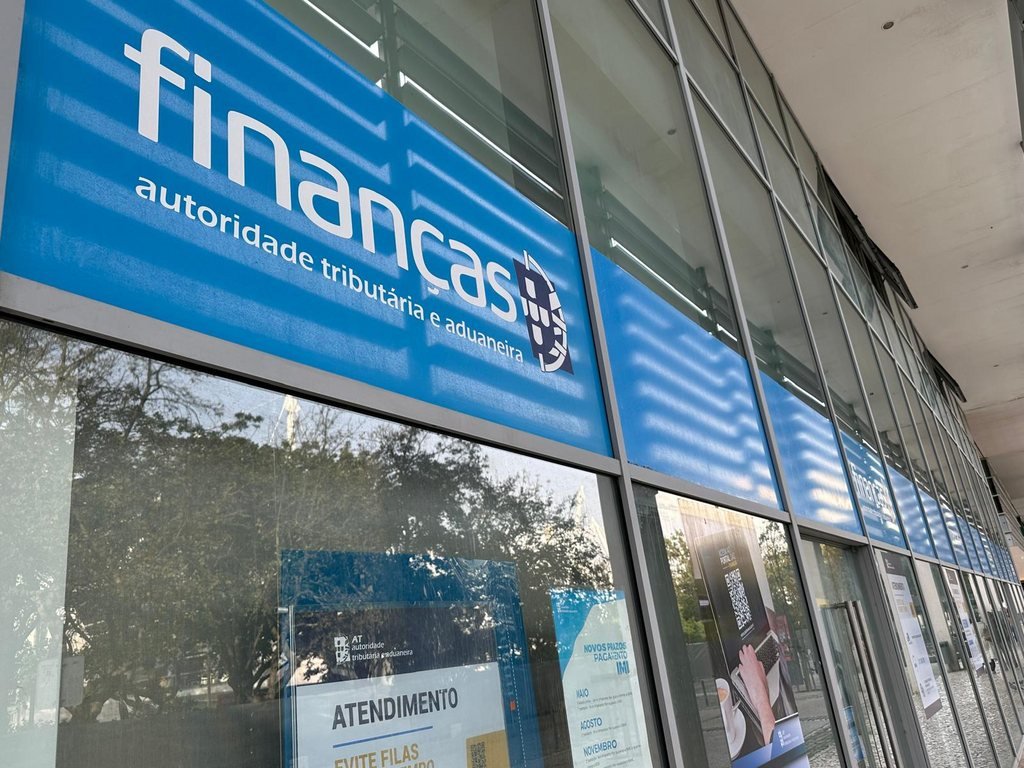
    A Finanças tax office storefront in Portugal with the blue Autoridade Tributária e Aduaneira sign, where non-residents can apply for a NIF in person
    A Finanças office in Portugal, where a NIF is issued free in person at the counter. Photo via Forbes Portugal.

    Two things catch people out. Appointments can be scarce in Lisbon and Porto in busy months, so book before you travel. And if you live outside the EU and EEA, you will still be asked to name a fiscal representative with a Portuguese address, even in person, because Finanças needs an official address for your letters. Residents of Portugal register their own Portuguese address instead.

    Common mistakes that delay a NIF

    Most delays are boring and avoidable. These are the ones we see most often:

    • An out of date proof of address. If it is older than 3 months, expect questions. Use your most recent bank statement.
    • A cropped or shadowed passport photo. All four corners must be visible, in colour, with no glare on the photo page.
    • Applying too late before a visa appointment or a property signing. Urgent exists for tight deadlines, but even 1 business day needs your documents to be right first time.
    • Assuming a NIF makes you tax resident. It does not. Tax residency depends on how many days you spend in Portugal and where your home is.
    • Skipping the fiscal representative while living outside the EU or EEA. The application cannot be filed remotely without one.

    When you no longer need a representative

    Representation is a bridge, not a life sentence. Once you live in Portugal and register your own Portuguese address with Finanças, you can end the representation, and we handle the change with no exit fee. EU and EEA citizens have another door: since 1 July 2022, residents of the EU and EEA can activate electronic notifications on the Portal das Finanças, which in many cases removes the need for a representative altogether.

    Until one of those changes happens, keep the representation active. It is the address Finanças uses for every letter about you, and a missed letter can mean a missed deadline. When the included 6 months end, fiscal representative renewal is €99 per year, stated upfront, and we always remind you before a renewal is due.

    Frequently asked questions

    Yes. The remote route exists for exactly this: you appoint a fiscal representative in Portugal, sign a power of attorney, send your passport and proof of address, and the representative files for you. Your official NIF document arrives by email.

    The NIF itself is free in person at Finanças in Portugal. Through our remote service, Standard is €99 and Urgent is €145 per applicant, including 6 months of fiscal representation. The optional Finanças password add-on is €50 per applicant, and families get 5% off the NIF fees.

    On Standard, 3 to 5 business days. On Urgent, 1 business day where Finanças processing allows. The clock starts once your documents are checked and your application is filed.

    No. A NIF is an identification number, nothing more. Tax residency depends on the days you spend in Portugal and where your permanent home is. Plenty of non-residents hold a NIF for a property, a bank account or a visa file.

    Only if you want to log in to the Portal das Finanças yourself, to read letters and manage your tax record online. It is an optional add-on at €50 per applicant. Finanças posts it on paper to your representative, usually within 2 to 4 weeks of the NIF being issued, and we forward it securely.

    Yes, the same remote route works for children, at the same per person rate. Along with the child’s passport, we need the child’s birth certificate when they have no passport, plus one parent’s passport and proof of address.

    Ready to get your NIF from home?

    Apply in 5 minutes, see your full price before you submit, and let us deal with Finanças for you.

    Start my application

  • NIF for non-residents: the complete guide

    NIF for non-residents: the complete guide


    Back to all guides

    NIF Guides

    NIF for non-residents: the complete guide

    26 October 2026By Mariana Santos

    If you live outside Portugal but your life touches the country, through a property, a bank account, an inheritance or a plan to move, you will be asked for a NIF, the Portuguese tax number. This guide is the complete picture for non-residents: who counts as one, why you need the number, the rules that apply to you, what it costs, and what a NIF does and does not do. For the filing itself, we link to our step by step guide instead of repeating it here.

    Belém Tower on the Tagus river in Lisbon, Portugal, at sunset, a landmark for non-residents buying property and moving to Portugal
    Belém Tower on the Tagus river in Lisbon, Portugal. Photo via Wikimedia Commons.

    The short answer

    A non-resident NIF is the same nine digit Portuguese tax number that residents get. It is free in person at Finanças in Portugal. If you live outside the EU and EEA, you need a fiscal representative resident in Portugal to hold your official tax address. EU and EEA residents can usually register with their home address, and since 1 July 2022 many can use electronic notifications on the Portal das Finanças instead.

    • A NIF never expires, and getting one does not make you a tax resident of Portugal.
    • Remote route with our service: €99 Standard or €145 Urgent, with 6 months of fiscal representation included.
    • Documents: passport or EU ID card, plus proof of your address abroad from the last 3 months.

    What a NIF is

    NIF stands for Número de Identificação Fiscal, the tax identification number issued by the Autoridade Tributária e Aduaneira, known as Finanças. It has nine digits and it is personal: one number per person, for life. Portugal uses it the way other countries use a national insurance or social security number for tax, except the NIF reaches much further into daily life.

    Your NIF goes on property deeds, rental contracts, bank accounts, utility contracts, invoices and visa files. A non-resident NIF is not a different kind of number. It is the same number, registered with an address outside Portugal, or with a fiscal representative address inside Portugal while your own address stays abroad.

    Who counts as a non-resident

    For tax purposes, you are a non-resident if your tax home is outside Portugal: broadly, you spend fewer than 183 days in Portugal in a 12 month period and you do not keep a permanent home in Portugal that suggests you intend to live there. If either of those flips, you may be a Portuguese tax resident instead, and different duties apply.

    Two clarifications matter. First, your nationality is not the test: a Portuguese citizen living in London can be a non-resident, and a British citizen living in Lisbon can be a resident. Second, non-resident for tax is not the same as non-resident for immigration: visa status and tax status are separate questions, answered by different authorities.

    This guide is written for the tax non-resident: the person whose life is based abroad but who owns, earns, inherits or plans something in Portugal.

    Why non-residents need a NIF

    You do not collect a NIF for fun. Specific moments in Portuguese life demand it, and most of them cannot be done in another order:

    • Buying property: the deed, the purchase tax and the land registry all record your NIF, and your lawyer or agent will ask for it before you sign anything binding.
    • Renting a property out: rental income in Portugal is Portuguese source income. You declare it with a NIF, and your tenant or manager will need the number for the contract and receipts.
    • Bank accounts and utilities: Portuguese banks open accounts against a NIF, and electricity, water, internet and phone contracts are issued in the name attached to one.
    • Inheriting in Portugal: an estate with Portuguese assets cannot be settled and distributed until the heirs hold NIFs, because the assets are transferred into their names at Finanças.
    • Selling assets later: the same number you buy with is the number you sell with, and the sale, and any gain, is recorded against it.
    • Remote work and visa paperwork: D7, D8 digital nomad and other residence visa files ask for a NIF early, and employers and clients need it before contracts or invoices.
    A couple holding the keys to their new home in Portugal, a property purchase that requires a Portuguese NIF for every buyer
    New owners holding the keys to a home in Portugal: a property deed cannot be signed until every buyer has a NIF. Photo via Pexels.

    The legal position, without the fog

    Three facts cover most of the law you need. First, the NIF itself is free. Anyone can request one in person at a Finanças office in Portugal, and no fee is charged for the number. What services like ours charge for is the work and the representation around it, not the number.

    Second, if you live outside the EU and EEA, you must appoint a fiscal representative resident in Portugal when you register, because Finanças needs a Portuguese address for your official letters. That is a legal requirement, not a sales invention, and our guide to fiscal representatives in Portugal explains the role in full.

    Third, if you live inside the EU or EEA, you can usually register using your home address, with representation optional. Since 1 July 2022, EU and EEA taxpayers who activate electronic notifications on the Portal das Finanças can, in eligible cases, rely on those notifications instead of naming a representative at all.

    Resident in Portugal Non-resident
    Tax address on file Your own Portuguese address Your address abroad, or your representative address in Portugal
    Fiscal representative Not needed Required if you live outside the EU and EEA
    Where Finanças letters go To your Portuguese address To your representative, or electronic notifications if eligible
    The NIF itself Same nine digit number, free in person Same nine digit number, free in person

    Resident and non-resident NIF holders compared at a glance.

    Documents non-residents need

    The list is short, and it is the same core list for almost every non-resident:

    • A valid passport, in colour, with all four corners visible. EU and EEA citizens can use a national ID card instead.
    • Proof of your address abroad, in your name, issued within the last 3 months: a bank statement, a utility bill or an official letter.
    • For the remote route, a signed power of attorney for your representative. With our service you sign it online, and it covers only your NIF application and fiscal representation.

    Children need a passport, or a birth certificate when they have no passport, plus one parent documents. You can check your exact set in seconds with the free document checklist on our home page.

    A hand signing a document with a fountain pen, the power of attorney signed for a remote Portuguese NIF application
    Signing the power of attorney that lets a fiscal representative in Portugal file a NIF application on your behalf. Photo via simrahman.com.

    The two routes, in brief

    Route one is in person: travel to Portugal, attend a Finanças office with your documents, and receive your NIF free. If you live outside the EU and EEA, bring the details of your fiscal representative, because the office will ask who holds your Portuguese tax address.

    Route two is remote: a representative files for you under power of attorney and your NIF arrives by email. The full walkthrough, with timings and the mistakes that delay people, is in our guide on how to get a Portuguese NIF from outside Portugal, so we will not repeat it here.

    What it costs, in the open

    In person, the NIF is free, and your only costs are your travel and time. Remotely with GetYourNIF.pt, Standard is €99 per applicant and Urgent is €145 per applicant, VAT included, and both include 6 months of fiscal representation. Fiscal representative renewal after the included 6 months is €99 per year, cancel anytime.

    Two optional extras to know about. The Finanças password add-on is €50 per applicant, for people who want their own Portal das Finanças login. Families applying together get 5% off the NIF fees, and the password add-on is never discounted. Every figure is printed in our pricing section before you apply.

    What a NIF does not do

    Half the confusion around the NIF comes from expecting it to do jobs it never does. Four limits are worth fixing in your mind:

    • It never expires. Your number is yours for life, even if you do nothing with it for years.
    • It does not make you a tax resident. Residency turns on days spent in Portugal and where your home is, not on holding a number.
    • It is not a residence permit or a visa. It gives you no right to live or work in Portugal by itself.
    • It does not open a bank account by itself. Banks still run their own checks and ask for their own documents; the NIF is one requirement among several.

    After you get your NIF

    Three habits keep a non-resident NIF trouble free. Keep your address current: if you move home abroad, update your Finanças record or tell your representative, because letters follow the address on file. Consider the Finanças password if you want to read those letters yourself on the Portal das Finanças; Finanças posts it on paper, which is why it travels slowly.

    And know when representation can end. If you move to Portugal and register your own Portuguese address, or you become eligible for electronic notifications, representation can stop. Our guide on when you can stop using a fiscal representative walks through the order of steps, which matters: set the new arrangement up first, then cancel.

    Special cases

    Buying property jointly. Each buyer needs their own NIF. A property bought by two people is registered against two numbers, and both numbers appear on the deed and the tax records.

    Couples and families. Each adult applies individually, and children can hold a NIF too. Filing together as one family application keeps the file together and earns the 5% family discount on NIF fees.

    Children. A child NIF is often needed for inheritance, for a family property purchase, or for a family visa file. The documents are the child passport or birth certificate, plus one parent passport and proof of address.

    Inheriting property in Portugal. Heirs who live abroad need a NIF before the estate can be transferred into their names. If the estate has tax duties, a representative is usually the practical route for heirs outside the EU and EEA.

    Selling a property later. Your sale is recorded against the same NIF, and capital gains paperwork follows the sale. The rates and rules depend on your situation at the time, so take advice on your own facts when you sell rather than relying on general guides, including this one.

    Common myths and mistakes

    • Myth: you must travel to Portugal to get a NIF. The remote route through a representative exists precisely for people who cannot or do not want to travel.
    • Myth: a NIF means Portugal will tax all your income. A NIF is an identifier. Non-residents are generally taxed in Portugal on Portuguese source income, and your wider tax position depends on your own residence and treaties.
    • Mistake: using an old proof of address. If the document is older than 3 months, expect the application to stall.
    • Mistake: letting representation lapse while you still need it. Missed letters mean missed deadlines, and deadlines in Portugal do not pause because a letter went to the wrong country.
    • Mistake: waiting until the week of a property signing or visa appointment. Even the Urgent route needs clean documents first.

    This guide is general information about how the NIF works for non-residents. It is not personal tax advice. If your situation involves property, income or an estate in Portugal, take advice on your own facts before you act.

    Frequently asked questions

    It is the same nine digit Portuguese tax identification number that residents hold, registered with an address outside Portugal or with a fiscal representative in Portugal. Non-residents need it to buy property, open bank accounts, sign contracts, inherit, and complete visa and remote work paperwork.

    If you live outside the EU and EEA, yes: Finanças requires a representative resident in Portugal to hold your official tax address. If you live inside the EU or EEA, representation is optional, and since 1 July 2022 many EU and EEA residents can use Portal das Finanças electronic notifications instead.

    Yes, in person at a Finanças office in Portugal, where the number itself is always free. A remote service charges for the filing work and representation: with GetYourNIF.pt, Standard is €99 and Urgent is €145 per applicant, including 6 months of fiscal representation.

    No. Tax residency depends on how many days you spend in Portugal and whether you keep a permanent home there. Many non-residents hold a NIF for years, for a property or an account, without becoming Portuguese tax residents.

    No. A NIF is issued once and stays yours for life. What can lapse is fiscal representation, which is a separate, renewable arrangement, not the number itself.

    Yes. Every buyer needs their own NIF, and both numbers go on the deed. Couples and families can apply together in one application, and family applications get 5% off the NIF fees.

    Get your non-resident NIF without the flight

    Apply in 5 minutes, see your full price before you submit, and receive your official NIF by email.

    Start my application

  • How long does a NIF take? Real timelines from Finanças

    How long does a NIF take? Real timelines from Finanças


    Back to all guides

    NIF Guides

    How long does a NIF take? Real timelines from Finanças

    26 October 2026By Mariana Santos

    Search this question and you will find everything from 24 hours to six weeks, sometimes on the same page. Both ends of that range can be true, for different people, on different routes, in different weeks. This guide sets out the real timelines as they actually run: what happens at each stage, what speeds an application up, what slows it down, and how to read the promises you will see as you compare services.

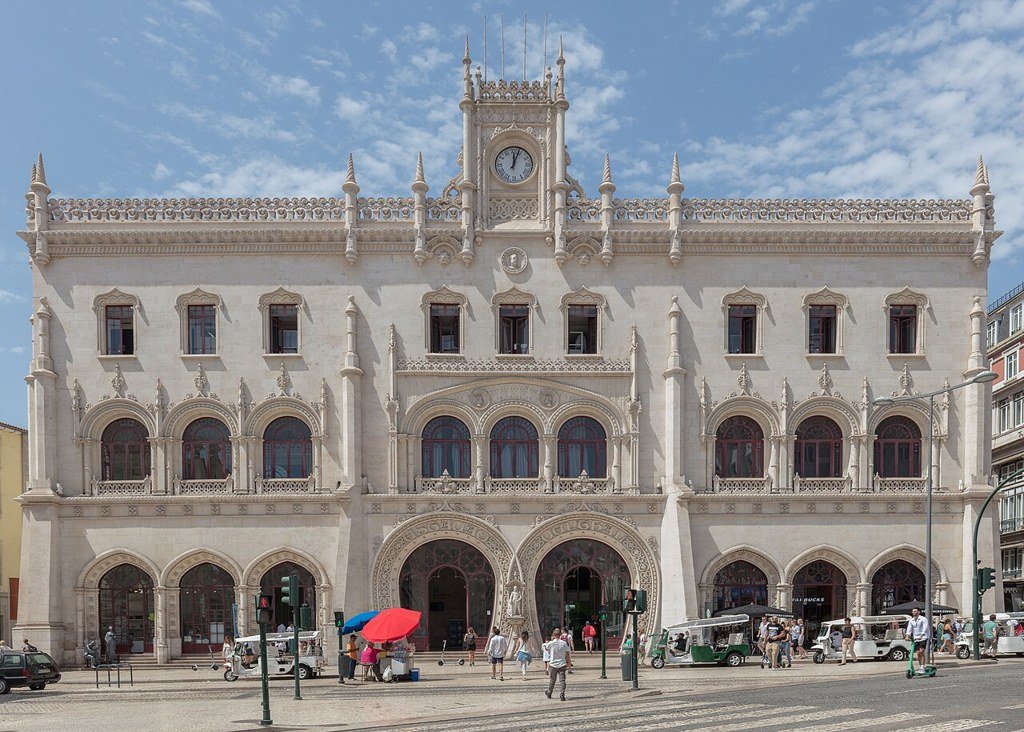
    Rossio Station and its clock tower in Lisbon, Portugal, a Baixa landmark that keeps the city on time
    Rossio Station and its clock in Lisbon, Portugal. Photo: Diego Delso, via Wikimedia Commons.

    The short answer

    It depends on the route. In person at a Finanças office in Portugal, a NIF can be issued the same day, once an official has seen and accepted your documents. Remotely, through a fiscal representative, our timelines are 3 to 5 business days on Standard and 1 business day on Urgent, where Finanças processing allows. The Finanças password is separate: it travels on paper by post and takes roughly 3 to 4 weeks to arrive.

    • The clock that matters starts when your documents are checked and filed, not when you first send a message.
    • Correct documents, first time, are the biggest single factor in how fast your NIF arrives.
    • Nobody can guarantee a Finanças processing time. Anyone who does is promising something no service controls.

    Why the answers you find disagree

    The loudest claims are usually counting something narrow. Some services quote only the filing step, or present their fastest ever case as the standard one, or start their clock quietly after your documents are approved. Others describe the in-person route, where same day issue is genuinely possible, and let you assume the same applies to a remote application from your sofa. And some fold the Finanças password, which travels by post for weeks, into the same number as the NIF itself, which does not.

    So the honest question is never just how long. It is: which route, counted from when, and including what. The rest of this guide answers it in exactly those terms. Where a stage sits with Finanças, we say so, and we describe its timing as typical rather than promised. No invented statistics anywhere.

    What actually decides your timeline

    Four things decide how fast your NIF arrives, and only one of them is the plan you pick:

    • Your documents. A clear passport and a proof of address issued within the last 3 months, with names that match, sail through the checks. Anything that needs a second look, or a second upload, adds days before filing even starts.
    • The route you choose. In person can be same day. The remote route depends on a representative filing your application and on Finanças processing it.
    • Finanças workload. Processing is done by the tax authority, and its pace varies with volume, the office handling the file and the time of year.
    • Whether a representative is involved. If you live outside the EU and EEA, a fiscal representative is legally required, and their checks and filing are part of your timeline. Our guide to fiscal representatives in Portugal explains that role in full.

    The remote route, stage by stage

    Here is the representative route with our service, from application to inbox. The stages we control carry our service timelines. The processing stage sits with Finanças, so its timing is typical and variable, never guaranteed. The full walkthrough of the route itself is in our guide on how to get a Portuguese NIF from outside Portugal.

    The 5 stages of a remote NIF application, and how long each one normally takes.

    Two honest notes on that timeline. First, if a document needs a fix, the processing clock has not started yet, and the pause is mostly yours to shorten: send a clearer copy and the file moves again. Second, once filed, you can follow your application in your tracker, so a quiet day never has to mean a worrying day.

    A woman on her sofa at home applying online with a laptop, the remote way to get a Portuguese NIF without visiting a tax office
    Applying for a Portuguese NIF from home: the remote route runs online, with no queue at a tax office. Photo via Pexels.

    The in-person route: same day, if you are seen

    If you can attend a Finanças office in Portugal, or a Loja do Cidadão citizen shop with a Finanças desk, the number itself is usually issued during that visit, once your documents are accepted. It is the fastest route that exists, and the NIF is free.

    The catch is getting seen. In Lisbon and Porto, appointments can be scarce in busy months, and walk-in queues can close before you reach the desk. Book ahead where you can. Bring documents that meet the rules, and if you live outside the EU and EEA, bring your fiscal representative details, because the office will ask who holds your Portuguese tax address. Our complete guide to the NIF for non-residents covers who needs a representative and why.

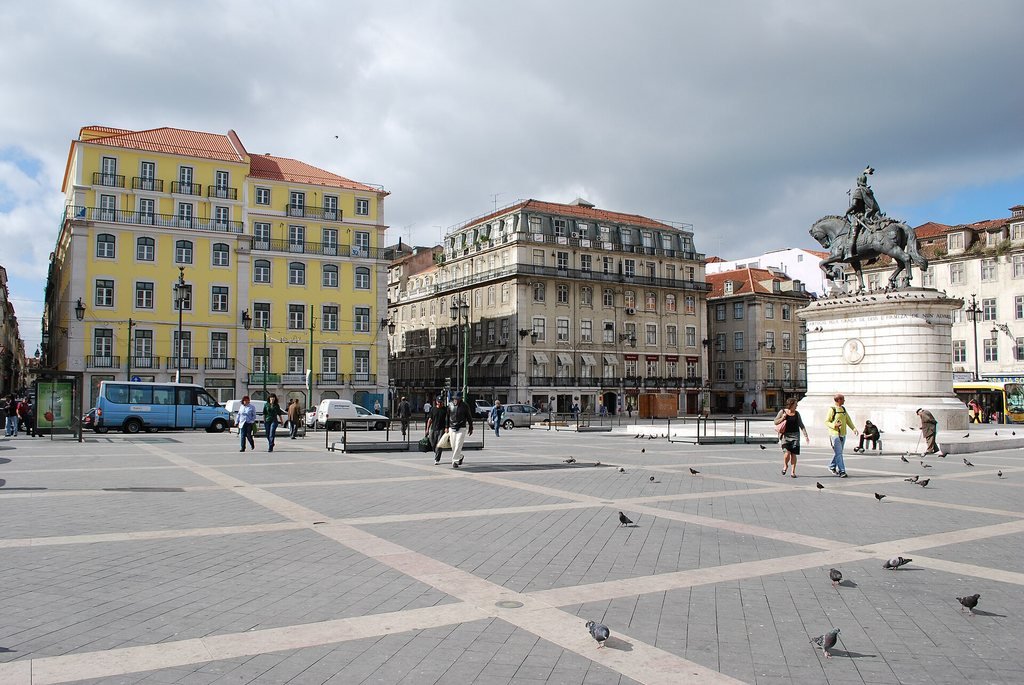
    Praça da Figueira square in the Baixa district of Lisbon, Portugal, near the Finanças offices that issue a NIF in person
    Praça da Figueira in the Baixa, Lisbon, a short walk from the tax offices where a NIF can be issued in person the same day. Photo: Concierge.2C, via Wikimedia Commons.

    The Finanças password runs on a different clock

    The Portal das Finanças password is not part of the NIF timeline, and mixing the two causes most of the confusion we hear. Finanças issues the number electronically, but it only ever sends the password on paper, by post, to the address on file. On the remote route, that address is your representative in Portugal.

    That letter normally takes roughly 3 to 4 weeks to arrive. When it reaches us, we forward it to you securely. No part of this step is in any service’s control: it is the official postal route, and it is the reason a NIF can land in your inbox within days while its password takes weeks.

    The password is also optional, and your NIF works fully without it. With GetYourNIF.pt it is an add-on at €50 per applicant, for people who want their own login to read official letters and manage their tax affairs online. It is listed openly in our pricing section, never bundled in silently.

    What “where Finanças allows” honestly means

    Our Urgent plan promises 1 business day where Finanças processing allows. That phrase is not small print to hide behind; it is the honest shape of the thing. We check documents the same business day and file the moment your file is ready. The processing step itself sits with the tax authority, and no representative, lawyer or service can instruct Finanças to move faster, or guarantee their speed on a given day.

    In practice, most Urgent applications do complete in the 1 business day. When Finanças is overloaded, or a file needs an extra check on their side, it can take longer. We would rather say that here than sell you a certainty that is not ours to sell.

    Why some applications slow down

    When an application stalls, it is almost never a mystery. It is usually one of these:

    • Proof of address that is too old, unclear, or in the wrong name. A document older than 3 months, a photo cut off at the edges, or a bill in a partner’s name will all pause a file.
    • Names that do not match. If your passport shows one name and your address document shows another, through marriage, a different spelling or a simple typo, expect questions before filing proceeds.
    • A missing or faulty power of attorney signature. On the remote route, an unsigned power of attorney stops everything until it is signed correctly.
    • Public holidays and busy periods. Portuguese public holidays, and the weeks around them, slow filing and processing alike, because business days do not include them.
    • A file without a required representative. If you live outside the EU and EEA and your application reaches Finanças with no representative named, it goes nowhere until that is fixed.

    How to avoid delays

    Almost every delay above is preventable before you apply:

    • Use a proof of address in your own name, dated within the last 3 months.
    • Check the name on it matches your passport exactly, letter for letter.
    • Photograph or scan documents in colour, flat, with all four corners visible.
    • Sign the power of attorney as soon as it arrives, and sign it the way your passport is signed.
    • Apply days before you need the number, not the day before a property signing or a visa appointment.

    Our free document checklist walks through your exact document set in under a minute, before you apply, so surprises surface while they are still cheap to fix.

    Timeline promises that should make you pause

    You will see bold timeline claims while you compare services. Treat these as warnings, whoever makes them:

    • A guaranteed 24 hour NIF for everyone. Finanças processing cannot be guaranteed by any service. A promise that ignores that is marketing, not a timeline.
    • One fast number with no route named. Same day in person and 3 to 5 business days remotely are both real. A claim that does not say which route it describes tells you nothing.
    • A clock that starts from document approval, with no word on what happens if a document fails the check. Ask what the timeline becomes when a proof of address is rejected.
    • No mention of the password’s postal wait. If one quick figure is quoted for everything, the 3 to 4 weeks the password spends in the post will arrive as a surprise later.

    A trustworthy timeline names the route, says when the clock starts, keeps the password separate, and admits which parts are out of the service’s hands. That is the standard this guide holds itself to, and it is the standard to hold any service to, including us.

    Frequently asked questions

    Through a fiscal representative, 3 to 5 business days on Standard and 1 business day on Urgent, where Finanças processing allows. The clock starts once your documents are checked and your application is filed, and Finanças processing times are typical, not guaranteed.

    Sometimes, but not as a promise. In person at a Finanças office the number can be issued the same day, and on the remote Urgent plan it can arrive in 1 business day. No service can guarantee 24 hours for everyone, because the processing step belongs to Finanças.

    For the remote route, the processing clock starts when your documents have been checked and your application has been filed with Finanças. We check documents the same business day, so if everything is correct first time, filing follows immediately.

    Because Finanças only sends it on paper, by post, to the address on file, which on the remote route is your representative in Portugal. That postal step normally takes roughly 3 to 4 weeks, and your representative then forwards it to you securely. The password is separate from the NIF itself, and it is an optional add-on.

    Document problems: a proof of address older than 3 months or too unclear to read, names that do not match between your passport and your address document, and a missing or faulty power of attorney signature. Public holidays and busy periods at Finanças can add time too.

    No, and any service that guarantees a Finanças processing time should make you cautious. We prioritise your check and filing, but processing sits with the tax authority. That is what 1 business day, where Finanças allows, honestly means.

    Need your NIF by a date that matters?

    Apply in 5 minutes, see your full price before you submit, and start the clock today.

    Start my application

  • Finanças password explained: what it unlocks and how it arrives

    Finanças password explained: what it unlocks and how it arrives


    Back to all guides

    NIF Guides

    Finanças password explained: what it unlocks and how it arrives

    26 October 2026By Mariana Santos

    Your NIF arrives by email within days, and then people ask about the other thing: the Finanças password. It is mentioned in passing by almost every service, explained properly by almost none, and it is the cause of the most confused emails we receive. This guide explains what the password actually is, what it unlocks on the Portal das Finanças, who genuinely needs one, and how it really arrives, which is by post, on paper, more slowly than anyone expects.

    Jerónimos Monastery in Belém, Lisbon, Portugal, its limestone facade above the gardens
    Jerónimos Monastery in Belém, Lisbon, Portugal. Photo via GoNext.

    The short answer

    The Finanças password, officially the senha de acesso, is the access code for the Portal das Finanças, Portugal’s official online tax portal. Your NIF is the username, in effect, and the password is what proves it is you. Finanças only ever sends it as a physical letter to the address it holds for you, which on the remote route is your fiscal representative in Portugal. It typically takes about 3 to 4 weeks to arrive by post, and it cannot be emailed by Finanças or rushed.

    • Your NIF works fully without the password. You only need it to sign in to the portal yourself.
    • With our service it is an optional add-on at €50 per applicant, never required and unchecked by default.
    • When the letter reaches your representative, we forward the password to you securely.

    What the Finanças password actually is

    The Portal das Finanças is the online home of the Autoridade Tributária e Aduaneira, the Tax and Customs Authority that issues your NIF and administers Portuguese tax. Almost everything you might one day do with Portuguese tax can be done inside that portal, which is why access to it is guarded properly.

    The key to the door is the senha de acesso, the access password. Finanças uses that official name on the portal and in its letters, so it is worth knowing, because paperwork and official pages will rarely call it anything else. When you sign in, you enter your NIF as the user number and the senha de acesso as the password. Together they open your personal tax record, and nobody else’s.

    Two confusions are worth clearing up at the start. The password is not your NIF: the NIF is a nine digit number that identifies you for life, while the password is a credential you can replace. And it is not a card PIN. It does one job, signing you in to the portal.

    What the password unlocks

    Signed in with your senha de acesso, the Portal das Finanças becomes your own tax office, open at any hour and in Portuguese. The main things it lets you do are these:

    • View and download your tax registration details and official tax documents, including the record that shows your NIF and your registered address.
    • File declarations online where you are required to file, and check the status of declarations you have already submitted.
    • Read official notifications from Finanças, and see any tax debts recorded against your number, with their deadlines.
    • Request certificates and official documents, such as proof of your tax situation, without visiting an office.
    • Update your registered address when your circumstances change, for example when you move to Portugal.
    • Activate electronic notifications, so official letters reach you through the portal instead of by post. For eligible EU and EEA taxpayers, and some others, this step is what allows fiscal representation to end.

    None of this is needed just to hold a NIF. It matters when your Portuguese life grows past the number itself, when a house or an income means the tax authority will write to you and expect answers.

    A woman signing in on a laptop at home, using the senha de acesso to open her Portal das Finanças tax account
    Signing in to the Portal das Finanças from home, using your NIF and the senha de acesso password. Photo via anastasiaolympiou.com.

    Who needs it, and who can safely skip it

    You will want your own password if you expect to deal with Portuguese tax affairs online yourself. That includes people who will file a Portuguese tax return, landlords collecting rent in Portugal, freelancers invoicing Portuguese clients, and anyone who wants to read official letters the day they are issued rather than wait for a scan. If you plan to activate electronic notifications, you need portal access to do it, which means you need the password.

    You can safely skip it, at least for now, if your NIF is for a single defined purpose and someone else handles the tax side. A one-off property purchase where your lawyer and your fiscal representative handle the filings is the classic case. So is a NIF taken early for a future move, where nothing will be filed until you arrive. Skipping it is not a final decision: the password can be requested later, when your situation changes and the portal starts to matter to you.

    Our complete guide to the NIF for non-residents sets out where the password fits into the wider picture, and our guide on how to get a Portuguese NIF from outside Portugal covers the number itself, step by step.

    How it arrives: the part most people get wrong

    Here is the step that surprises almost everyone. The senha de acesso is not sent by email, not by message, and not through any app. Finanças prints it in a letter and posts that letter to the address registered for you with the tax authority. For security, there is no electronic copy and no faster channel.

    On the remote route, the address Finanças holds is your fiscal representative’s Portuguese address, because that address is your official tax address while you live abroad. So the letter travels to your representative, not to your home abroad. It typically takes about 3 to 4 weeks to arrive by post after it is requested, and postal timing is in the hands of Finanças and the mail, not any service. When it arrives, your representative forwards the password to you securely, and you sign in to the Portal das Finanças, change the password to one of your own, and store it safely.

    1

    The password is requested

    Once your NIF registration is complete, the senha de acesso is requested from Finanças.

    2

    Finanças posts the letter

    The password travels on paper, by post, to the address registered with Finanças.

    3

    Your representative receives it

    On the remote route, that address is your fiscal representative in Portugal. Allow about 3 to 4 weeks.

    4

    Forwarded securely to you

    We forward it securely, you sign in, change it, and store it somewhere safe.

    The journey of a Finanças password, from request to your hands.

    This postal stage is also why password timing never matches NIF timing. Our guide to how long a NIF takes keeps the two clocks separate, and it is worth a read before you plan around either date.

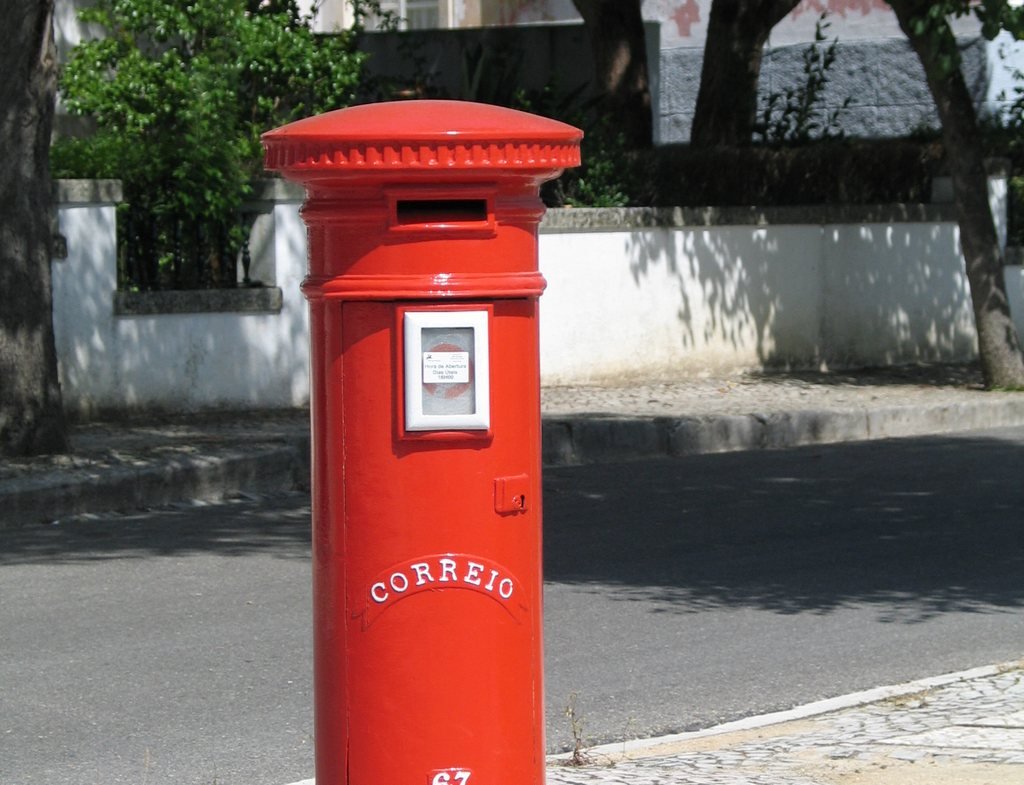
    A red CTT pillar post box on a pavement in Portugal, the postal service that delivers the Finanças password letter
    A red CTT post box in Portugal: the Finanças password travels by ordinary post, which is why it takes weeks to arrive. Photo: Jsobral, via Wikimedia Commons.

    Keeping your password safe

    A senha de acesso opens your full tax record, so treat it with the same care as a banking password. Change it to your own password the first time you sign in, and store it in a password manager rather than in an email thread or a note on your phone. Never share it publicly, never post it in a forum or a group chat, and be cautious with anyone who asks for it unexpectedly: Finanças will not phone or email you asking for your password.

    Your representative receives the sealed letter because it is posted to their address, and with our service it is forwarded to you securely and promptly. That handling is a reason to choose a representative you trust.

    If you lose it

    Losing the password is an inconvenience, not a disaster, and it happens constantly. Under the standard process, you request a new senha de acesso through the Portal das Finanças, using the recovery options on the sign in page, or via Finanças if you cannot use the online route. A new password is issued and sent by post to your registered address, and the old password stops working once the new one is issued. Your NIF itself is unaffected throughout: the number never changes, only the credential does.

    How the password works with our service, honestly

    With GetYourNIF.pt, the Finanças password is an optional add-on at €50 per applicant. It is never required, it sits unchecked by default in the application form, and you choose it only if you want your own portal access arranged as part of your application. It is charged in full: the 5% family discount applies to NIF fees only, never to the password add-on. The pricing section shows the add-on as its own line, before you submit anything.

    If you do not choose the add-on, nothing is missing from your NIF. You simply do not receive the password service: your representative continues to receive and forward your official Finanças letters, and Finanças contact runs through them, as it does for every represented client. If you later decide you want portal access, the password can be requested then, with the same postal wait.

    Questions the add-on does not answer are covered in our frequently asked questions, including how and when the password reaches you.

    Common problems, and what actually causes them

    • Letter delays. The password letter is ordinary post from a large authority. Around holidays and busy periods it can sit at the slower end of the 3 to 4 week range, and there is no tracking and no way to hurry it.
    • Address mistakes. The letter goes to the address registered with Finanças, and nowhere else. If that registration holds an old representative or an outdated address, the letter follows it, which is why the registration details matter from day one.
    • A password requested too early. The senha de acesso is tied to a completed registration. A request made before the NIF registration is finished has nothing to attach to, and the process has to start again once the number exists.
    • Confusing the password with the NIF. People wait for a letter before using their number, believing the two arrive together. They do not. The NIF PDF is your number, ready to use, and the password is a separate credential for the portal.
    • Expecting an email. Because everything else in the process arrives by email, the paper letter feels like a mistake. It is deliberate: Finanças posts passwords precisely so that no inbox, hacked or otherwise, can contain them.

    Most password problems are really information problems: a wait nobody warned you about, an address nobody checked. Both are fixable in advance, which is what this guide is for.

    Frequently asked questions

    It is the access code, officially called the senha de acesso, for the Portal das Finanças, the online tax portal of the Autoridade Tributária e Aduaneira. Together with your NIF it signs you in to your own tax record, where you can read official letters, download documents, file declarations and update your address.

    No. Your NIF works fully without it, for bank accounts, property purchases, contracts and visa files. The password is only needed if you want to sign in to the Portal das Finanças and deal with your Portuguese tax affairs online yourself.

    By post, as a physical letter, to the address registered with Finanças. On the remote route that is your fiscal representative’s Portuguese address. It typically takes about 3 to 4 weeks to arrive, and your representative then forwards it to you securely. Finanças cannot email it or rush it.

    It is an optional add-on at €50 per applicant. It is never required, it is unchecked by default in the application form, and it is charged in full: the 5% family discount applies to NIF fees only, never to the password add-on.

    Request a new one through the Portal das Finanças or via Finanças. Under the standard process a new senha de acesso is issued and posted, and the old password stops working once the new one is issued. Keep the replacement somewhere safe, such as a password manager.

    Not by Finanças. For security, the tax authority only sends the senha de acesso on paper, by post, to the address it holds for you. What a service can do, and what we do, is forward it to you securely as soon as the letter reaches your representative.

    Want your portal access arranged with your NIF?

    Add the Finanças password when you apply, or skip it and decide later. Either way, your NIF comes first.

    Start my application

  • Getting a NIF for your children and family, documents and costs

    Getting a NIF for your children and family, documents and costs


    Back to all guides

    NIF Guides

    Getting a NIF for your children and family, documents and costs

    26 October 2026By Mariana Santos

    When a family moves to Portugal, the NIF questions multiply fast. Does a baby need a tax number? Are children covered by a parent NIF? What does it cost to file for four people at once? This guide answers those questions in full: why every family member needs their own Portuguese NIF, the documents each person needs, how one family application works, and the real family NIF Portugal cost, with the discount maths shown in the open.

    Red tiled rooftops of family homes in Lisbon, Portugal, looking towards the Tagus river, for families getting a Portuguese NIF for children and parents
    Lisbon rooftops and the Tagus river seen from Castelo de São Jorge in Lisbon, Portugal. Photo: Misa.stefanovic.07, via Wikimedia Commons.

    The short answer

    Every person in your family needs their own NIF, including babies and children. A child is never covered by a parent number. Each NIF is a personal, permanent nine digit number that never expires. With our service the whole family files in one application, at the same per person rate: €99 on Standard or €145 on Urgent for every applicant, with 5% off the NIF fees when two or more of you apply together.

    • Adults need a passport or EU ID card, plus proof of address abroad from the last 3 months.
    • Children need a passport if they have one. A child with no passport needs a birth document, such as a birth certificate, instead.
    • The Finanças password add-on is €50 per applicant, optional, and never discounted. Most families add it for the adults only.

    Why every family member needs their own NIF

    Portugal treats the NIF as a personal number, one per person, from birth onwards. Schools, doctors, banks and government offices do not record a child under a parent number; they ask for the child own number. That surprises many parents, because in some countries children only enter the tax system as teenagers. In Portugal the number comes first and everything else attaches to it.

    A family usually meets the need for a child NIF at one of these moments:

    • School enrolment: Portuguese schools ask for the NIF of each child being enrolled, alongside the parent details.
    • Healthcare registration: registering a child with the local health centre and the SNS health service uses the child NIF.
    • Property bought as a family: when a home is bought in several names, every named buyer on the deed needs their own NIF.
    • Inheritance: an estate with Portuguese assets is settled into the names of the heirs, and each heir, adult or child, needs a NIF first.
    • Visa and residence applications: family visa and residence files list every family member, and a NIF for each person keeps the file moving.

    None of these steps can borrow a parent number. Getting every family member number early, in one go, is simply the calmest order to do it in.

    Tram 28 squeezing through a narrow street in Lisbon, Portugal, with passengers boarding, daily life for a family with a Portuguese NIF
    Tram 28 squeezing through a narrow street in Lisbon, Portugal. Photo via Wikimedia Commons.

    One person, one number, for life

    Each family member receives their own nine digit NIF, issued once and kept for life. A number given to a baby is the same number that person will use as an adult for work, property and tax in Portugal. It never expires and it is never reissued to anyone else, so there is no renewal and no second application later.

    That permanence is also why accuracy matters. The name on the NIF record should match the name on the passport exactly, letter for letter, because the same record follows your child for decades.

    Our NIF for non-residents: the complete guide covers the adult side of the same rules in full.

    Documents for each person

    The document list is per person, and it is short. One person documents never cover another person, which is the mistake families make most often, so work through the list name by name.

    For each adult:

    • A valid passport, in colour, with all four corners visible. EU and EEA citizens can use a national ID card instead.
    • Proof of address abroad in that adult name, issued within the last 3 months: a bank statement, a utility bill or an official letter.

    For each child:

    • The child passport, if the child has one.
    • If the child has no passport, a birth document for the child, such as a birth certificate, which shows the child name and the parents names.
    • Many families send both the passport and the birth certificate where they have them. It costs nothing and it answers questions before Finanças asks them.

    Where a parent applies for a child, we also need that parent own documents: their passport or ID card and their proof of address, because the parent is the applicant acting for the child. The parent signs the power of attorney, and the wording we provide covers the child application as well as the parent own filing where the parent is also applying. In general terms, a parent or legal guardian is the person who signs for a child. If your family situation is unusual, tell us before you apply and we will confirm exactly what is needed for your case.

    You can check the exact set for your family in seconds with the free document checker on our home page, which includes a child option.

    One application for the whole family

    With GetYourNIF.pt a family does not file person by person. You make one application, list every applicant in it, and everyone is filed together in one family file. That keeps names, addresses and documents consistent across the family, and it is what qualifies the application for the family discount.

    Every applicant pays the same per person rate, adults and children alike: €99 per person on Standard or €145 per person on Urgent, VAT included, with 6 months of fiscal representation included for each person. There is no child rate and no adult rate; the rate follows the plan, not the age. The full breakdown is printed in the family pricing area of our pricing section before you apply.

    What a family NIF costs, with the maths shown

    Family applications with two or more applicants filed together get 5% off the NIF fees. Two rules keep the maths honest: the discount applies to the NIF fees only, and the optional Finanças password add-on is never discounted. Here are the worked examples, exactly as they appear in the application form:

    Worked family NIF costs for a family of 3, with the 5% family discount applied to NIF fees only.

    The same maths scales to your family size: multiply the per person rate by the number of applicants, take 5% off that NIF fee total, then add €50 for each person who chooses the password add-on. The application form shows your exact total before you submit, and nothing is charged until you confirm.

    The Finanças password question for children

    Parents often ask whether a child needs the Finanças password. In practice, almost never. The password is the login for the Portal das Finanças, where a person reads official letters and manages their own tax affairs online. A young child has no portal business of their own, and a parent cannot use a child password to manage the family tax life; each login is personal to its holder.

    The practical pattern most families choose is simple: add the password for the adults who will deal with Portuguese tax online, and skip it for the children. It can always be requested later, when a child is older and genuinely needs portal access.

    Read Finanças password explained: what it unlocks and how it arrives before you decide.

    Parque das Nações and the Vasco da Gama Bridge at night in Lisbon, Portugal, a modern district where many families with a Portuguese NIF settle
    Parque das Nações and the Vasco da Gama Bridge at night in Lisbon, Portugal. Photo: Lacobrigo, via Wikimedia Commons.

    Step by step for families

    The family route mirrors the standard four steps, with the family details gathered once, at the start.

    1

    Apply in 5 minutes

    Complete the short application and see your full price before you submit.

    2

    Upload 2 documents and sign

    Passport and proof of address, then sign the power of attorney online.

    3

    We file with Finanças

    Your representative files your application with the Autoridade Tributária.

    4

    Receive your NIF by email

    The official NIF PDF lands in your inbox, ready to use.

    The 4 steps of the remote NIF route, from application to delivery.

    For a family, step 1 is where everyone is added: each applicant is listed, each set of documents is uploaded under the right name, and the total, with the family discount applied, is shown before anything is submitted.

    See How to get a Portuguese NIF from outside Portugal, step by step for the complete process.

    Timelines for families

    Filing together does not slow anyone down. A family application follows the same timelines as a single one: 3 to 5 business days on Standard, and 1 business day on Urgent where Finanças processing allows. The clock starts once the family documents are checked and the applications are filed, and each person official NIF PDF arrives by email.

    One honest note: a document problem for one person does not have to hold up the rest of the family, but a missing birth document is the most common reason a child filing pauses, which is why the next section matters.

    Common family mistakes

    • Assuming children are covered by a parent NIF. They are not: every child needs their own number, and schools and health centres will ask for it.
    • Missing birth documents. A child with no passport needs a birth document such as a birth certificate. Order a copy early if yours is kept in another country.
    • Name spellings that differ between documents. If a passport spells a name one way and a birth certificate another, tell us before filing so the difference can be explained rather than discovered.
    • Applying for the adults now and the children later. Two separate applications lose the togetherness that keeps the file consistent, and a later application cannot be added to a discount already given.

    This guide is general information about family NIF applications. It is not legal advice for your individual circumstances.

    Frequently asked questions

    Your child needs their own NIF. A Portuguese NIF is personal, one number per person, and a child is never covered by a parent number. Schools, healthcare registration and family visa files each ask for the child own number.

    A passport if the child has one. If the child has no passport, a birth document such as a birth certificate is needed instead. We also need the applying parent passport or ID card, proof of address, and the signed power of attorney that covers the child.

    The same per person rate for everyone: €99 per applicant on Standard or €145 on Urgent, with 5% off the NIF fees for two or more applicants filed together. A family of 3 pays €282.15 on Standard or €413.25 on Urgent, before any optional password add-ons.

    When two or more applicants are filed together in one application, 5% comes off the NIF fees only. The optional Finanças password add-on, €50 per applicant, is never discounted and is added in full after the discount.

    Usually not. The password is a personal login for the Portal das Finanças, and a young child has no portal business of their own. Most families add it for the adults only, and a child password can be requested later if it is ever needed.

    The same as a single application: 3 to 5 business days on Standard, and 1 business day on Urgent where Finanças processing allows, once the family documents are checked and filed. Each person NIF arrives by email as an official PDF.

    File for the whole family in one application

    Apply in 5 minutes, see your full family price before you submit, and let us deal with Finanças for everyone at once.

    Start my application

  • NIF vs NISS vs SNS number: what each one is for

    NIF vs NISS vs SNS number: what each one is for


    Back to all guides

    NIF Guides

    NIF vs NISS vs SNS number: what each one is for

    26 October 2026By Mariana Santos

    Move to Portugal and, within weeks, three different counters ask you for three different numbers. The bank wants your NIF. Your new employer wants your NISS. The health centre wants your SNS number, also called the número de utente. They are all long, they are all official, and nobody at any of those counters has time to explain how they fit together. This guide does that job properly: what each number is, who issues it, what it is used for, and the order to get them in, so you never queue at the wrong desk with the wrong number in your hand.

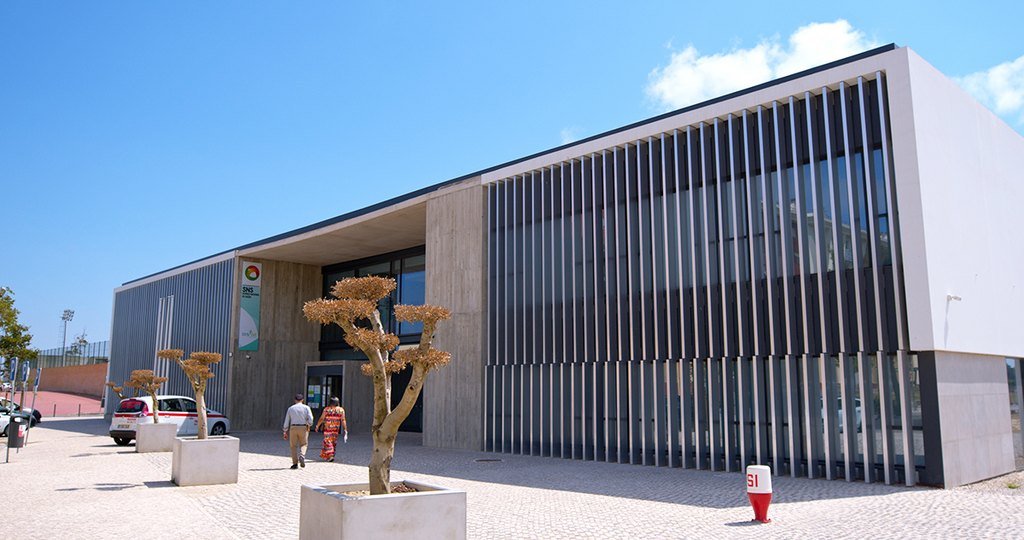
    Centro de Saúde Alta de Lisboa, a modern SNS health centre in Lisbon, Portugal, with the SNS banner at the entrance, where residents register for a Portuguese SNS health number
    Centro de Saúde Alta de Lisboa, an SNS health centre in Lisbon, Portugal, with the SNS banner at its entrance. Photo: Lisboa 2020, via lisboa.portugal2020.pt.

    The short answer

    NIF, NISS and SNS are three separate identification numbers, run by three separate parts of the Portuguese state. The NIF is your tax number, issued by the Autoridade Tributária, the tax authority everyone calls Finanças. The NISS is your social security number, issued by Segurança Social. The SNS number, the número de utente, belongs to the national health service and identifies you as a public health user. They arrive in a natural order: NIF first, NISS when work starts, and the SNS number once you live in Portugal and register at a health centre.

    • NIF: the tax number, for tax, property, banking and contracts. Needed by residents and non-residents alike.
    • NISS: the social security number, for legal work and contributions. It normally follows a job or the start of self-employment.
    • SNS number: the health user number, for public healthcare. It comes with registration at your local health centre.

    Three numbers, three systems

    The confusion is easy to understand. All three numbers are personal, all three stay with you for years, and each one becomes urgent the moment a different part of daily life begins. What they are not is interchangeable. A form that asks for your NISS is not asking for your NIF in disguise, and a doctor asking for your número de utente is not asking for either of the other two.

    It helps to picture the Portuguese state as three neighbouring departments that share a corridor. The tax authority knows you by your NIF. The social security institute knows you by your NISS. The health service knows you by your SNS number. Each department can also ask to see the other numbers, which is exactly why people mix them up: registering for healthcare normally requires your tax number, and starting work normally requires both a NIF and a NISS. One number unlocks the next, but it never replaces it.

    NIF vs NISS vs SNS number compared: the three Portuguese identification numbers, side by side.

    The NIF: your tax number, and the one to get first

    The NIF, short for Número de Identificação Fiscal, is the number Portugal uses to identify you for tax. It has nine digits, it is personal to you, and it is issued once and kept for life. It is also called the número de contribuinte, and the two names describe exactly the same number, which is one more reason newcomers get confused at counters.

    You need a NIF for far more than tax returns. It opens bank accounts, sits on property deeds, appears on rental and work contracts, and is requested when you connect utilities, register a car or ask for an official receipt in your name. The opening digits of a NIF follow broad categories set by the tax authority, which is why numbers can start differently from person to person; you do not choose yours, and the starting digits never change what the number is for.

    Residents and non-residents need one alike, and because so many other registrations ask for it, the NIF is the number to get first. Our pillar guide to the NIF for non-residents covers who needs one from abroad and why, and our step by step guide explains how to get a Portuguese NIF from outside Portugal without travelling.

    The NISS: your social security number

    The NISS, the Número de Identificação da Segurança Social, is your number inside the social security system. Where the NIF follows your tax life, the NISS follows your working life: employment contracts, self-employment registration, and the contributions paid by you and your employer are all recorded against it. It is also the number behind the work related benefits that build on those contributions.

    The honest difference from the NIF is the entry point. Almost anyone with a reason to deal with Portugal can request a NIF. A NISS normally comes with work. When a Portuguese employer hires you, they usually ask for your NISS as part of the hiring paperwork, and if you do not have one yet, the number is requested through the employment relationship itself. People starting self-employment register their activity and contributions with Segurança Social, and the NISS follows from that step. In short, you generally cannot just apply for a NISS in the abstract, with no work basis behind it. The number exists because there is work to attach it to.

    People working at desks in a Lisbon office in Portugal, the workplace where a Portuguese NISS social security number is used for employment contracts and contributions
    People at work in a Lisbon office. A Portuguese NISS is the number your work and social security contributions are recorded against. Photo: Heden, via heden.co.

    If you are moving for a job, the practical order is this: have your NIF ready before you arrive, because employers ask for it too, and let the NISS be created or confirmed when the job or the self-employment registration starts. Your employer or your accountant will tell you exactly which step they handle and which document they need from you.

    The SNS number: your health number

    The SNS number is the número de utente, your user number in the Serviço Nacional de Saúde, the national health service. It is the number the public health system uses to find your record: registering at a health centre, being assigned a family doctor, booking appointments, collecting prescriptions and being referred to a hospital all run on it.

    You receive the number by registering at the health centre, the centro de saúde, for the area where you live. Registration is a resident step. You take your residence documents and proof of your address, and your NIF is asked for during registration, because your health record is tied to your tax number. Once registered, the health centre becomes your front door to public healthcare in Portugal, and the número de utente is the number you quote from then on.

    Hospital de Santa Maria, the university hospital in Lisbon, Portugal, part of the SNS national health service where patients use their SNS health number
    Hospital de Santa Maria, the university hospital in Lisbon, Portugal, part of the SNS public health system. Photo via Expatica.

    Two honest notes before you rely on it. First, registering with the SNS is a separate thing from holding private health insurance: insurance can pay for private care, but it does not register you with the public system and does not replace the número de utente. Second, the exact documents a health centre asks for can vary with your situation, so take your residence documents and your NIF with you, and ask at the desk if anything else is needed in your case.

    The order to get them in

    For someone moving to Portugal, the three numbers fall into a natural sequence:

    1. NIF first. Get it before you arrive or as soon as you can, because work, banking, renting and health registration all ask for it.
    2. Bank account alongside. With a NIF in hand, opening a Portuguese bank account becomes straightforward, and you will want it in place for salary, rent and bills.
    3. NISS when work starts. When you sign an employment contract or register as self-employed, your social security number is created or confirmed through that step.
    4. SNS number once resident. After you are living in Portugal with your address settled, register at your local health centre and receive your número de utente.

    Follow that order and no office will send you away for a number you should already have had. Most delays we see come from the opposite approach: trying to register for healthcare before holding a NIF, or expecting a NISS to exist before any work does.

    Which number for which situation

    Situation Number you need Why
    Buying or renting a property NIF The deed, the contract and the tax record are all built around your tax number.
    Signing a work contract NIF and NISS Your employer records you for tax with the NIF and for social security with the NISS.
    Registering as self-employed NIF and NISS Your tax activity and your social security contributions each need their own number.
    Seeing a public doctor SNS number The health service finds your record with your número de utente.
    Paying taxes or filing a return NIF Tax is the home system of the NIF, run by Finanças.
    Opening a bank account NIF Banks identify account holders and their Portuguese tax position by NIF.

    Common confusions and myths

    • A NIF is an SNS number. It is not. One belongs to the tax authority and the other to the health service, and they identify you in different systems.
    • Having a NIF registers me for healthcare. It does not. Your NIF is asked for when you register, but registration itself happens at the health centre, and only then do you receive a número de utente.
    • The numbers are interchangeable on forms. They are not. Each form asks for a specific number because a specific department reads it.
    • Private health insurance replaces SNS registration. Insurance and public registration do different jobs, and many residents in Portugal hold both.
    • I should arrange all three before I move. Only the NIF is normally arranged from abroad. The NISS follows work, and the SNS number follows living in Portugal.
    • A NISS is a work permit. It is not. The right to work comes from your citizenship or your residence status; the NISS is the social security record that work is booked against.

    Where to get each one

    The NIF comes from Finanças, the tax authority. In person in Portugal it is issued at a Finanças office. From abroad, a fiscal representative files for you, which is the case for most applicants who live outside the EU or EEA. That filing is the step this service exists for: €99 on Standard or €145 on Urgent, VAT included, with 6 months of fiscal representation included in both. Families file together in one application, as our guide to getting a NIF for your children and family explains.

    The NISS comes from Segurança Social, and in practice it usually arrives through employment: your employer asks for it, or starts the process, when hiring, and the self-employed register their activity and contributions directly. The SNS number comes from your local health centre when you register as a resident. Neither of these two numbers is something a NIF service can sell you, and anyone who offers to is describing the process wrongly.

    This guide is general information about the three numbers and how they fit together. It is not legal advice. NISS and SNS eligibility depends on your own situation, including your residence status and your work basis, so check with Segurança Social or your health centre for decisions that affect you personally.

    Frequently asked questions

    No. The NIF is your tax number, issued by the Autoridade Tributária, the tax authority known as Finanças. The SNS number, the número de utente, is your health user number in the national health service. They identify you in two different systems, and one never replaces the other.

    Yes. If you work legally in Portugal, your work and contributions are recorded with Segurança Social under a NISS. Employers usually ask for it when hiring, and the self-employed are registered when they start their activity and contributions.

    Generally, no. A NISS is tied to work, so it is normally created when an employment contract starts or when you register as self-employed. It is not a number you apply for in the abstract, the way you can with a NIF.

    No. A NIF is asked for during health centre registration, but it does not register you. You receive your SNS number, the número de utente, when you register at your local health centre as a resident.

    The NIF. Work, banking, renting and health registration all ask for it. The NISS follows when work starts, and the SNS number follows once you are resident and register at a health centre.

    Your NIF is part of your health registration, but the health service finds your record with your número de utente. Take both numbers when you visit a health centre or hospital, and quote the SNS number for appointments and care.

    Start with the first number: your NIF

    Apply in 5 minutes, see your full price before you submit, and hold the one number every other Portuguese registration asks for.

    Start my application

  • How much does a NIF cost in Portugal?

    How much does a NIF cost in Portugal?


    Back to all guides

    NIF Guides

    How much does a NIF cost in Portugal?

    26 October 2026By Mariana Santos

    Ask ten people what a Portuguese NIF costs and you will hear ten different numbers, from free to several hundred euros. They can all be telling the truth. The number itself is free. What varies is the route you take to get it, the help you pay for along the way, and the extras that get added to the bill. This guide puts every cost in one place: what the tax office charges (nothing), what the free route really costs you in time and travel, what remote services and law firms typically charge, and the ongoing costs that only appear after you have paid.

    Euro banknotes fanned over euro coins, the currency in which a Portuguese NIF is priced, from the free in person route to remote services
    Euro banknotes and coins: a Portuguese NIF costs nothing at the counter, so every price you see online is paying for the route, not the number. Photo via Pexels.

    The short answer

    A NIF is free when you apply in person at a Finanças office in Portugal. If you apply from abroad through a service, you pay for the filing, the fiscal representative and the convenience: budget online services start under €100, and law firms can charge several hundred euros. With this service the full price is printed before you apply: Standard €99, Urgent €145, VAT included, with 6 months of fiscal representation included.

    • The NIF itself never has an annual fee. It is yours for life.
    • Fiscal representative renewal after the included 6 months: €99 per year, cancel anytime
    • The Finanças password is an optional one off add-on at €50 per applicant, never required.

    The headline fact: the number itself is free

    Finanças, the Portuguese tax authority, does not charge a fee to issue a NIF. Walk into a tax office in Portugal with your passport and proof of address, and the number is created on their system and printed for you at no charge. There is no application fee, no card fee and no charge for the official PDF that confirms your number.

    So why do prices online range from under €100 to several hundred euros for the same nine digits? Because nobody is selling you the number. They are selling the work around it: checking your documents, filing on your behalf, acting as your fiscal representative in Portugal, and saving you a trip. Once you see that, the prices stop looking random and start looking like what they are: fees for a service, not a price for the NIF. Our guide to how to get a Portuguese NIF from outside Portugal walks through both routes in full.

    What the free route really costs

    Free at the counter is not the same as free overall. The in person route carries real costs that never appear on a price list:

    • Your time. Booking an appointment, travelling to the office, waiting to be seen and dealing with any document problem on the spot can take the better part of a day, sometimes two visits.
    • Travel. If you do not already live in Portugal, the flight, the stay and the days away usually cost far more than any service fee. The free route only stays cheap if you were coming anyway.
    • A Portuguese base. You need to be physically here, and appointment slots in Lisbon and Porto can be scarce in busy months, so the trip has to be planned around availability.
    • Language and paperwork. Counter staff work in Portuguese, forms are in Portuguese, and if a document is rejected you find out standing at the desk, not by email with time to fix it.

    None of this makes the free route a bad choice. If you live in Portugal, speak the language and have a free morning, it is the cheapest route there is. It is simply not free of cost, and it is not open to someone who needs the number from abroad this week.

    The Finanças Lisboa 3 tax office in Lisbon, Portugal, where a Portuguese NIF is issued free in person at the counter
    The Finanças Lisboa 3 tax office in Lisbon, where a NIF is issued free in person at the counter. Photo: TK Running, via Nomad Gate.

    What the remote route costs across the market

    If you apply from abroad, you pay a service. Market prices vary widely, and the honest way to describe them is as ranges, because every provider bundles different things. Budget online services commonly advertise prices under €100. Full service online providers typically sit somewhere between €100 and €250 once representation is included. Traditional Portuguese law firms often charge several hundred euros for the same application, because you are paying lawyer hourly rates for a routine filing.

    Two quotes that look far apart may also cover different things. One may include a year of fiscal representation, another only the filing, with representation billed separately from the first month. One may include VAT, another may add it at checkout. Before comparing any two prices, line up what each one actually covers: the filing, the representative and for how long, the password if you want it, and the renewal price after any included period ends.

    Where you live matters too. If you live outside the EU and EEA, a fiscal representative is not an optional extra on the remote route, it is how the application is filed at all, which is why representation sits inside most remote prices. Our complete guide to the NIF for non-residents explains who counts as a non-resident and which rules apply to you.

    The routes, side by side

    Here is the total cost picture for one adult applicant, before any optional extras:

    NIF costs compared for one adult: the free in person route, this service on Standard and Urgent, and the typical law firm range.

    Our pricing, as the worked example

    We will use our own prices as the worked example, because they are the ones we can state exactly. Standard is €99 per applicant and Urgent is €145 per applicant. Both are one payment, VAT included, with no hidden fees, and both include 6 months of fiscal representation, the official NIF PDF by email, and document checks before filing. The full breakdown sits in our pricing section, and the price you see there is the price you pay.

    Families pay less per person. When two or more applicants apply together, the NIF fees get 5% off. A family of three on Standard pays €297 less 5%, which is €282.15 in total. Our guide to getting a NIF for your children and family shows the worked examples for Urgent and for passwords as well.

    The ongoing costs nobody mentions

    The application fee is not the whole story, wherever you buy. Three ongoing points decide what a NIF really costs you over time:

    • Representative renewal. If you keep a fiscal representative after the included period, there is a yearly renewal, with us and with every other provider. Ours is printed in the pricing section: fiscal representative renewal after the included 6 months is €99 per year, and you can cancel anytime once you no longer need representation.
    • The password is one off. The Finanças password add-on is a single payment of €50 per applicant for those who choose it. It is not a subscription and it never renews. Plenty of people skip it entirely and request portal access later only if they need it.
    • The NIF itself is free forever. There is no annual NIF fee, no renewal and no expiry. Anyone who tries to charge you a yearly fee for the number itself is charging for something that does not exist.
    A calculator and budget paperwork on a desk, working out the full cost of a Portuguese NIF including renewal and add-on costs
    Working out the full cost of a NIF means adding the ongoing costs to the application fee, not just comparing headline prices. Photo via Finstream.

    What pushes the price up

    Four things reliably make a NIF cost more than it needs to:

    • Urgency. Priority filing costs more than standard filing everywhere. If your property signing or visa appointment is weeks away, standard timing usually does the job.
    • A law firm for a simple job. A straightforward NIF application is routine paperwork. Paying professional hourly rates for it is the single biggest overspend we see.
    • Add-ons you do not need. Extras should be a choice, not a default. If an add-on is pre-ticked or bundled without a clear reason, ask what it does before you pay for it.
    • Missing the family discount. Households that apply one person at a time, in separate applications, can miss the discount that a single family application would have given them.

    How to keep the cost down

    A short checklist keeps your total where it should be:

    • Decide the route first. If you will be in Portugal anyway and can attend in person, the free route wins. If not, compare remote services on the full cost, not the headline.
    • Compare like with like. Filing, representation and its length, VAT, the password and the renewal price: all five belong in every comparison.
    • Apply together as a family. One application for everyone keeps the 5% family discount and the paperwork in a single file.
    • Skip extras you do not need today. The password and other add-ons can usually be added later. Do not pay for access you have no plan to use.
    • Use the document checker first. Getting documents right first time avoids repeat appointments and refiling. Our document checklist builds your personal list in a minute.

    Red flags in NIF pricing

    Walk away, or at least ask hard questions, when you see any of these:

    • Prices quoted without VAT, so the checkout total is far higher than the headline.
    • A renewal price that only appears buried in the FAQs, or nowhere at all.
    • Express or processing fees that first appear on the final payment screen.
    • Subscription wording for a one off service, or a monthly charge for holding a tax number.
    • A price that cannot be broken down into filing, representation and extras when you ask.

    A fair price survives being printed in full. That is the test we hold ourselves to as well: everything in this guide about our own prices can be checked against the questions and answers and the pricing section on this site.

    Frequently asked questions

    Yes, in person. Finanças issues a NIF free of charge at its offices in Portugal. You pay only when you choose a service to file for you remotely, or when a representative is involved, and those fees pay for the work and the representation, not for the number.

    Online prices vary by provider and by what is included. Budget services start under €100, full service providers often sit between €100 and €250 with representation included, and law firms can charge several hundred euros. With this service, Standard is €99 and Urgent is €145 per applicant, VAT included, with 6 months of fiscal representation included.

    Because providers bundle different things: the filing alone, representation for different lengths of time, the password, VAT included or added later. Line up the filing, the representative and for how long, the password, VAT and the renewal price before you compare two quotes.

    The NIF itself has no annual fee and never expires. The only ongoing cost is fiscal representation, if you keep a representative: after the included 6 months, renewal is €99 per year with this service, cancel anytime. The Finanças password is a one off €50 add-on, not a subscription.

    Every applicant pays the same per person rate, and family applications of two or more people filed together get 5% off the NIF fees. A family of three on Standard pays €297 less 5%, which is €282.15. The optional password add-on at €50 per applicant is never discounted.

    No. It is an optional add-on at €50 per applicant, for people who want their own login to the Portal das Finanças. Your NIF works without it, and you can request portal access later if you need it.

    Know your price before you apply

    Apply in 5 minutes, see your full total before you submit, and pay one price with VAT included. Nothing is charged until you confirm.

    Start my application

  • NIF at the airport or on arrival: can you get one when you land?

    NIF at the airport or on arrival: can you get one when you land?


    Back to all guides

    NIF Guides

    NIF at the airport or on arrival: can you get one when you land?

    26 October 2026By Mariana Santos

    You have just landed, or you are about to. Somewhere between booking the flight and packing, a practical question pops up: can I just get my NIF at the airport when I arrive? It sounds efficient, one more thing ticked off on arrival day. The honest answer is no, and understanding why will save you a wasted morning. Airports in Portugal handle flights and border control. Tax numbers are issued by Finanças, the Portuguese tax authority, and there is no Finanças desk in any arrivals hall. This guide explains where a NIF really comes from, what you can do on arrival day, and why most people sort it before they fly.

    Passengers with suitcases beneath the Terminal 1 and arrivals signs at Lisbon Airport in Portugal, where travellers land before sorting a Portuguese NIF
    Lisbon Airport arrivals: the start of many Portuguese paperwork journeys, but not the place a NIF is issued. Photo via Lisbon Airport.

    The short answer

    There is no NIF desk at any Portuguese airport, and border control cannot issue one. A NIF is issued by Finanças tax offices. When you land, you have three real options:

    • Sort it before you fly: apply remotely from home and land with your NIF already in your inbox.
    • Visit a Finanças office or a Loja do Cidadão citizens shop after you arrive, in person and free.
    • Do nothing on arrival day, and handle it during your trip once the jet lag wears off.

    Where a NIF is actually issued

    A NIF, short for Número de Identificação Fiscal, is your Portuguese tax identification number, and it is created by the Autoridade Tributária e Aduaneira, the tax authority everyone calls Finanças. Its counters sit inside local Finanças offices in towns and cities across Portugal, and inside some Loja do Cidadão locations, the citizens shops that group several public services under one roof.

    Airports are not part of that system. The officers at passport control check identity and entry conditions; they have no access to tax registration and there is no desk, form or queue for it anywhere in the terminal. The same applies at land borders and ferry ports. If a website or a stranger at the airport offers to sell you a NIF on the spot, walk away: the number can only come from Finanças, directly or through a representative filing with Finanças on your behalf.

    How the in-person visit works in practice

    If you decide to go in person after landing, the visit itself is simple. Take your passport, or your EU identity card if you are an EU citizen, and proof of your address. Staff register you on the tax system and, in most cases, the number is issued on the spot once your application is accepted. The service is free.

    The practicalities vary by office, and it is worth knowing that before you plan a trip around one. Many offices work mainly by appointment or by a ticket queue taken on arrival, and busy city offices fill up early in the morning. A small town office can be quieter than a central Lisbon or Porto one, but it may have fewer staff and shorter counter hours. Bring printed copies of your documents as well as the originals, arrive early, and treat the timing as in most cases rather than guaranteed: availability varies by office and by day.

    The entrance sign of a Loja do Cidadão citizens shop in Portugal, where some Finanças counters can issue a NIF in person
    A Loja do Cidadão citizens shop: some locations host Finanças counters where a NIF can be issued in person. Photo via SAPO.

    Who can use the on-arrival route

    Anyone who is physically in Portugal with the right documents can ask for a NIF in person, including visitors on a short trip and non-EU travellers. Being in the country does not, however, settle every question. If you are a non-resident living outside the EU and EEA, Finanças registration usually involves a fiscal representative, a person or firm in Portugal who files for you and receives your official tax post. An in-person visit does not remove that representative question for non-EU and EEA non-residents.

    The full picture of who can register without one, including the electronic notifications route for people resident in the EU and EEA, is in our guide on getting a NIF online without a fiscal representative. If that is your situation, read it before you queue, because the counter visit and the representative question are two separate decisions.

    Why most people sort it before they fly

    Arrival day is the worst day to discover a queue. Most people who need a NIF need it for something with a date attached: a property completion, a bank appointment, visa paperwork with a filing window. Spending your first morning in Portugal outside a tax office, jet lagged and hunting for a photocopier, is a poor trade when the same result can be sitting in your inbox before you board.

    The remote route runs while you are still at home. Our step by step guide to getting a Portuguese NIF from outside Portugal walks through it, and the timelines are short: 3 to 5 business days on Standard, or 1 business day on Urgent where Finanças processing allows, as our guide to how long a NIF takes explains stage by stage. Apply a week or two before you travel and the number stops being an arrival day problem entirely.

    Before you fly or after you land: the two ways to a Portuguese NIF, compared.

    Your arrival checklist

    Whichever route you choose, these five things make arrival week smoother:

    • Passport or EU identity card. The original, valid, and the same document you will use for every other piece of Portuguese paperwork.
    • Proof of address from home. A bank statement or utility bill from the last 3 months, printed, even if you end up applying remotely later.
    • A representative plan. If you live outside the EU and EEA, know before you land who your fiscal representative is, rather than improvising at a counter.
    • Your NIF PDF kept safe. Save it in your email and on your phone, and carry a printed copy. You will be asked for the number constantly, and the PDF is the proof.
    • No expiry to worry about. A NIF is issued once and never expires, so there is no renewal race waiting for you at arrivals.

    Not sure which documents your own situation needs? Run the free document checklist on our home page; it takes under a minute.

    A quiet cobbled street with laundry hanging between tiled houses in Alfama, Lisbon, Portugal, the city travellers explore after landing
    Alfama, Lisbon: the trip is better spent here than in a tax office queue on your first morning. Photo: DJ Far Off.

    Arrival myths, corrected

    • There is a NIF desk at the airport. There is not. Airports have border control, airlines and car hire desks, not tax counters, at Lisbon, Porto, Faro or anywhere else in Portugal.
    • My hotel can arrange a NIF. A hotel can book you a taxi to a Finanças office, but it cannot issue or arrange a tax number. Only Finanças creates NIFs.
    • The embassy will give me one before I fly. Portuguese consulates do not issue NIFs as a standard service. Consular counters handle passports, civil registration and similar services, not tax registration for people travelling to Portugal.
    • I can sort it at passport control. Border officers check who may enter the country, not taxes. The two systems never meet at the arrivals desk.

    The honest shortcut

    This is our one mention of our own service. GetYourNIF.pt exists for the before you fly route: you apply online in about 5 minutes, we check your documents and file with Finanças as your representative, and your official NIF arrives by email. Standard is €99 and Urgent is €145 per applicant, one payment, VAT included, with 6 months of fiscal representation included. Every price is printed in the pricing section, and most follow up questions are answered in our FAQs. If you would rather queue in person for free, this guide has told you exactly how, and we mean that: choose the route that fits your trip.

    Frequently asked questions

    No. There is no NIF desk at Lisbon airport or at any other Portuguese airport, and border control cannot issue tax numbers. A NIF is issued by Finanças, so your options are a Finanças office or a Loja do Cidadão after you land, or applying remotely before you fly.

    To a local Finanças tax office, or to a Loja do Cidadão citizens shop that hosts Finanças counters. Take your passport or EU identity card and proof of address. The service is free, and in most cases the number is issued on the spot once your application is accepted, although availability and waiting times vary by office.

    Yes. You do not need to live in Portugal to hold a NIF, and visitors in the country with a passport and proof of address can apply in person. Non-residents who live outside the EU and EEA usually also need a fiscal representative for the registration, whether they apply in person or remotely.

    In most cases, yes: once the counter accepts your application, the number is generated during that visit. The variable part is getting to the counter, because many offices run on appointments or ticket queues that fill up early, and smaller offices differ from big city ones.

    If you are resident in the EU or EEA, you can generally register without one, including through the electronic notifications route. If you live outside the EU and EEA as a non-resident, a representative is normally part of the registration either way; being physically in Portugal changes where you stand in the queue, not the representative rule.

    A week or two is comfortable for most travellers. Standard filing takes 3 to 5 business days and Urgent 1 business day where Finanças processing allows, so applying before you fly means the NIF PDF is in your inbox before your trip starts. If a property or visa deadline is attached, earlier is always safer.

    Landing soon? Arrive with your NIF already sorted

    Apply in 5 minutes from home, see your full price before you submit, and spend arrival day in Portugal, not in a queue. Nothing is charged until you confirm.

    Start my application

  • How to check your NIF status, and what to do if you lost your NIF number

    How to check your NIF status, and what to do if you lost your NIF number


    Back to all guides

    NIF Guides

    How to check your NIF status, and what to do if you lost your NIF number

    26 October 2026By Mariana Santos

    It happens in the most ordinary way. A bank asks for your NIF, a lawyer needs it for a deed, a form will not submit without it, and the number you were sure you had saved is nowhere to be found. Take a breath. Of all the Portuguese paperwork problems you could have, this is one of the kindest, because a NIF cannot really be lost in the way that matters. The number is permanent, it never expires, and Finanças keeps the record even if you have lost every copy of it. This guide explains what checking your NIF status actually means, where your number is written down, and the places to look, in order, before you ask anyone for help.

    A woman searching through documents at a desk with a laptop, looking for her lost Portuguese NIF number to check her NIF status
    Searching your documents and laptop for a lost NIF number: the number itself is permanent, and it is recorded in more places than you think. Photo via Pexels.

    The reassuring short answer

    Three facts calm most people down straight away:

    • Your NIF never expires and is never cancelled for inactivity. Years of silence change nothing.
    • You cannot be given a second, different NIF. One person, one number, for life, so there is nothing to reapply for.
    • Checking your status really means checking your registered details: the name, address and representative Finanças holds for you.

    What a NIF status check actually means

    People search for a NIF status check imagining something like a visa application: pending, approved or refused. A NIF does not work like that. Once Finanças issues the number, it simply exists. There is no renewal date, no annual confirmation and no inactive state that quietly deletes it. If you were issued a NIF years ago and have not thought about Portugal since, your number is still your number today.

    So a useful status check is really a details check. Finanças holds a registration record attached to your number: your full name, your tax address, and whether a fiscal representative is registered for you. Those details do change over time, and getting them wrong has real consequences, from tax letters going to an old address to a name mismatch stalling a property deed. Checking your status means confirming that record is correct, and the rest of this guide shows you where to look.

    Where your NIF is recorded

    Your number lives in more places than you might expect, which is why most people find it again within the hour. When Finanças issued it, you received a registration document, often called the comprovativo: the paper or PDF proof of registration showing your name, your number and your registered address. That document is the master copy, and everything else is a copy of a copy.

    Beyond it, your NIF appears across your Portuguese paperwork. It is printed on property deeds, it sits in bank account paperwork, and it is quoted on tax filings and many contracts. And once you have access, your Portal das Finanças account shows the registration details Finanças holds for you. If you do not have portal access yet, our guide to the Finanças password explains what it unlocks and how it arrives by post.

    Five places your NIF is recorded, in the order most people find it again.

    How to check your details on Portal das Finanças

    If you have your number and your Finanças password, the portal is the most complete check you can do from home. The portal layout changes from time to time, so treat this as the general path rather than a promise about exact menu names:

    • Sign in. Go to the Portal das Finanças and sign in with your NIF and your senha de acesso, the Finanças password.
    • Open your personal area. Look for your personal area or registration details, shown with wording such as dados de registo, your registration data.
    • Compare the record with your passport. Your name, date of birth and address should match your current documents exactly.
    • Note what needs updating. An old address, or a representative you no longer use, are the two findings worth acting on.

    If the portal asks for a password you do not have yet, that is a separate and solvable problem. The password is ordered from Finanças and arrives by post, as our Finanças password guide explains, and a missing password never affects the number itself.

    A woman at a desk with a laptop and notebook checking her registration details on Portal das Finanças to confirm her NIF status in Portugal
    Checking your registration details on Portal das Finanças from home, once you have your NIF and password. Photo via Pexels.

    What to check, line by line

    • Name spelling. Your registered name should match your passport exactly. A swapped middle name or a missing accent rarely matters day to day, then suddenly matters at a notary desk, so get it corrected at a Finanças office if it is wrong.
    • The address Finanças holds. If tax letters are going to a home you left years ago, the registration needs updating. Our upcoming guide on updating the address on your NIF will walk through that change step by step. Until it is published, a Finanças office or your representative can update the address for you.
    • Whether a representative is still registered. If one is listed, your official tax post goes to them. Our guides on what a fiscal representative does and on whether you still need one after moving explain when that arrangement should continue, and when it should end.
    • That the number matches everywhere. The NIF on your deed, your bank file and your registration document should be the same nine digits. If two documents disagree, trust the Finanças registration and ask the other issuer to correct theirs.

    If you have lost the number itself

    Now the case that brought most readers here: you cannot find the number anywhere. Do not panic, and do not apply for a new NIF. A second application does not create a second number. Finanças matches applications to the person, and the answer comes back as the number you already have, so applying again only adds weeks of confusion.

    Work through the five places in the graphic above, in order. Start with your own files and email, then your deeds and bank paperwork. Most lost NIFs turn up in that first pass, usually in an email attachment from the week the number was issued.

    If your own paper trail runs dry, two doors remain open. If you have a fiscal representative, ask them: keeping your file, NIF document included, is part of the job, and they can normally resend it quickly. If you applied through GetYourNIF.pt, contact our support team and we will re-send your official NIF PDF from your application file. And if neither applies, visit a Finanças office or a Loja do Cidadão with your passport. Staff can look up your registration from your identity document and confirm your number in person. Bring the passport you used when the number was issued if you still have it, because the lookup is keyed to your identity, not to an address or an email.

    The entrance of a Loja do Cidadão citizens shop in Portugal, where staff can confirm a lost NIF number from your passport
    A Loja do Cidadão citizens shop in Portugal, where staff can confirm your NIF from your passport if your own search runs dry. Photo via AMA.

    Lost the document, but know the number?

    That is the easy version of the problem, and for most purposes it is barely a problem at all. Banks, lawyers, estate agents and forms almost always need the nine digits, not the paper. When proof of registration is asked for, the portal can confirm your registration details, and a Finanças office can provide a fresh comprovativo. Keep the number saved somewhere you control, a password manager or a notes file, and the lost document stops mattering.

    Keeping your NIF safe from here

    Once you have found it, spend two minutes making sure you never have to hunt again. Save the NIF PDF in two places, your email and a cloud folder or password manager, and keep one printed copy with your passport paperwork if you travel to Portugal often.

    A note on safety, because people worry in both directions. Your NIF is not a password, and knowing it does not let anyone into your tax account: signing in needs the number plus the senha. Even so, treat the document with ordinary care. Do not post a photo of it publicly, do not send it to strangers who have no reason to ask, and share it with the banks, lawyers and officials who genuinely need it. Our Finanças password guide covers the other half of the pair: keeping the password safe, and what to do if it is lost.

    Frequently asked questions

    No. A NIF is issued once and stays yours for life. It is never cancelled for inactivity, there is no renewal, and not using it for years changes nothing. What can change are the details attached to it, such as your registered address.

    No, and you do not need one. Finanças issues one number per person, permanently. If you apply again, the system matches you to your existing registration rather than creating a new number. Recover the original instead, through your documents, your representative or a Finanças office.

    Sign in to the Portal das Finanças with your NIF and Finanças password and open your personal area, where your registration details are shown: your name, your tax address and whether a fiscal representative is registered. You need the password that Finanças sends by post to sign in. Without it, check in person at a Finanças office instead.

    Search in order: your original NIF document or PDF, the emails from when it was issued, property deeds, bank paperwork and old tax filings. If none of those work, ask your fiscal representative, who keeps your file, or visit a Finanças office with your passport, where staff can confirm your number from your identity document.

    Yes. Contact our support team and we will re-send your official NIF PDF from your application file. The email we sent when your NIF was issued also still holds the original attachment, so check your inbox for it first: it is usually the fastest route.

    A NIF on its own is an identifier, not a key. Nobody can access your tax account with the number alone, because signing in also needs your Finanças password. Share it with banks, lawyers and officials who need it for real paperwork, but do not publish the document publicly, or send it to anyone without a genuine reason.

    Applied with us and lost your PDF?

    Contact support and we will re-send your NIF PDF from your application file. New here, and still need a number of your own? Apply in 5 minutes, see your full price before you submit, and let us deal with Finanças for you.

    Start my application